Photo Galleries

Welcome to our Photo Galleries.

Please use the filters below to find photo galleries of interest. 

Main Categories

Main Categories
  • All
  • Projects (26)
  • Solutions (20)
  • Plasters (14)
  • Research (7)
  • Problems (6)
  • News (4)
  • Surveying (3)
  • Paints (1)

Solutions

Solutions
  • All
  • Salt Problem (17)
  • Rising Damp (10)
  • Replastering (9)
  • Thermal Insulation (9)
  • Magnetic DPC (8)
  • Consolidation (5)
  • Waterproofing Walls (4)
  • Basement Waterproofing (3)
  • Cellar, Basement Waterproofing (3)
  • Full Refurbishment (3)
  • Lime Floors (3)
  • Barn Conversions (2)
  • Chimney Problems (2)
  • Plasterboarding (2)
  • Rendering (2)
  • Cellar (1)
  • Flooding (1)
  • High Water Table (1)
  • Painting (1)
  • Rainwater Splashback (1)
  • Timber Panel Infills (1)

Plasters

Plasters
  • All
  • Rinzaffo MGN (17)
  • Cocciopesto Deumidificante MGN (6)
  • Betoncino Consolidante MGN (4)
  • Rasacol MGN – Lime Finish for Thermal Plasters (4)
  • Termointonaco 2020 MGN (4)
  • Fondo Pozzolanico MGN (3)
  • Sanacolor 2000 MGN (3)
  • TermoRasante AeroGel MGN (3)
  • CoccioTerm MGN (2)
  • Calcina Bianca MGN (1)
  • Calcina Fine MGN (1)
  • Cocciopesto MGN – Traditional Cocciopesto Lime Plaster (1)
  • Massetto Caldo MGN (1)
  • Megastuk MGN (1)
  • Pastellone Veneziano MGN (1)
  • Rasante B2007 MGN (1)
  • Rasothermo Heres – Fibre-reinforced Superinsulating Lime Plaster (1)
Showing items: 1 - 6 of 55 total.
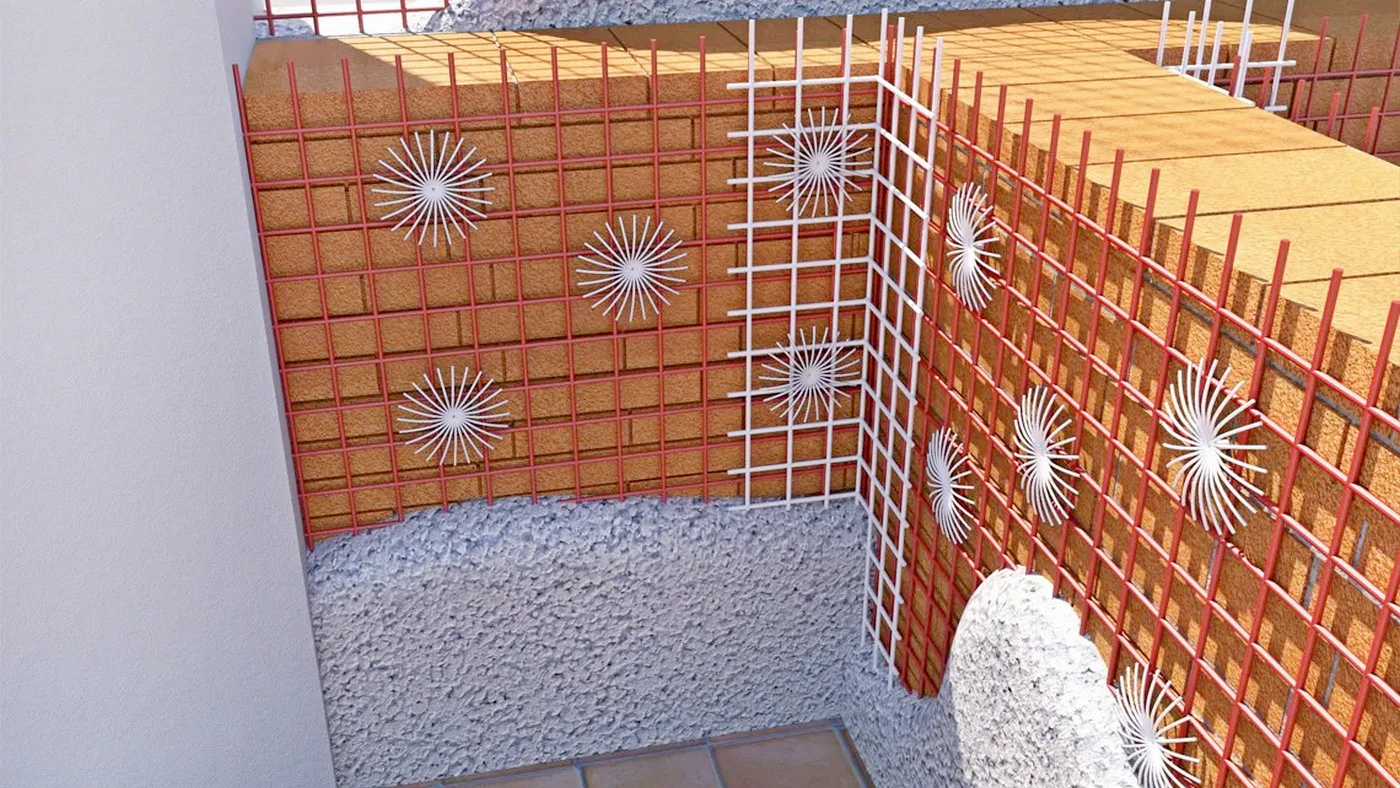
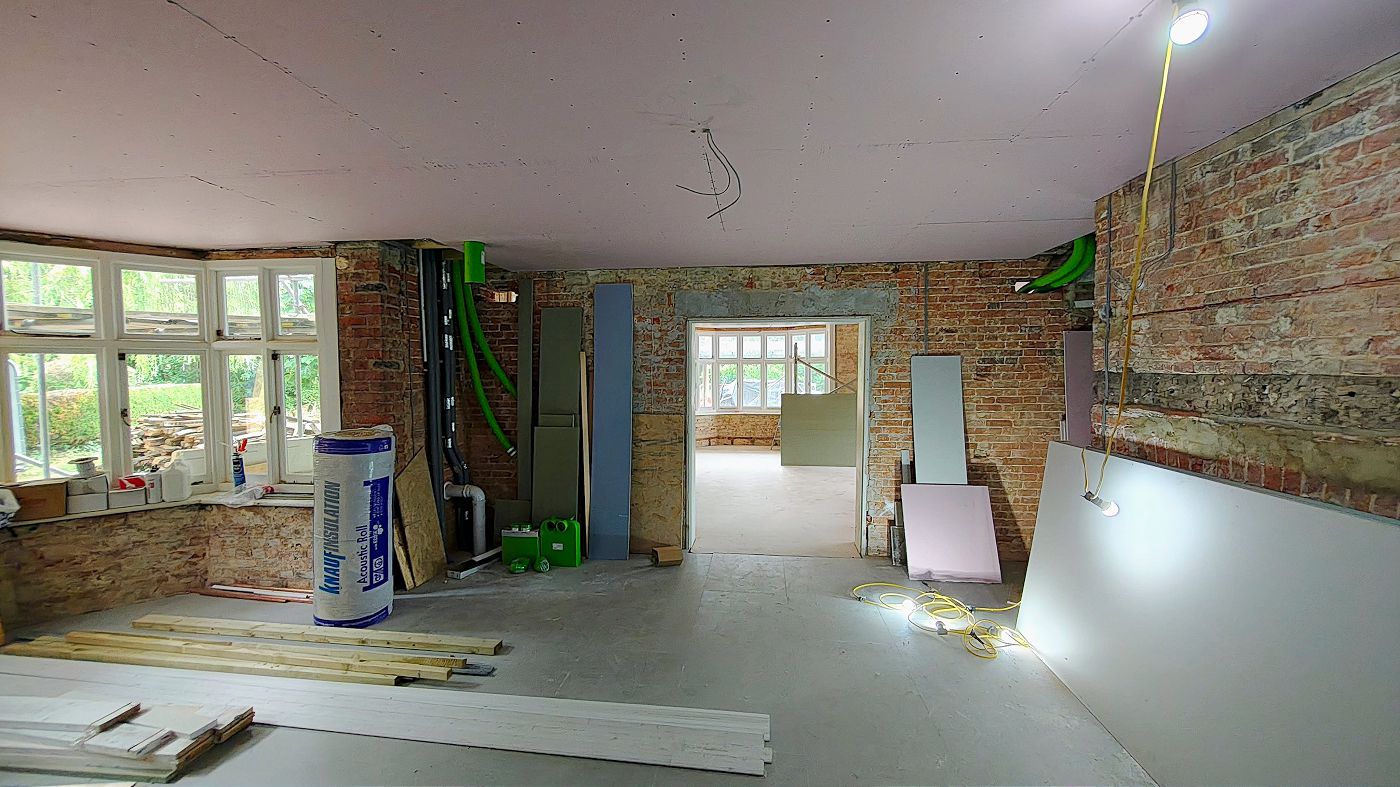
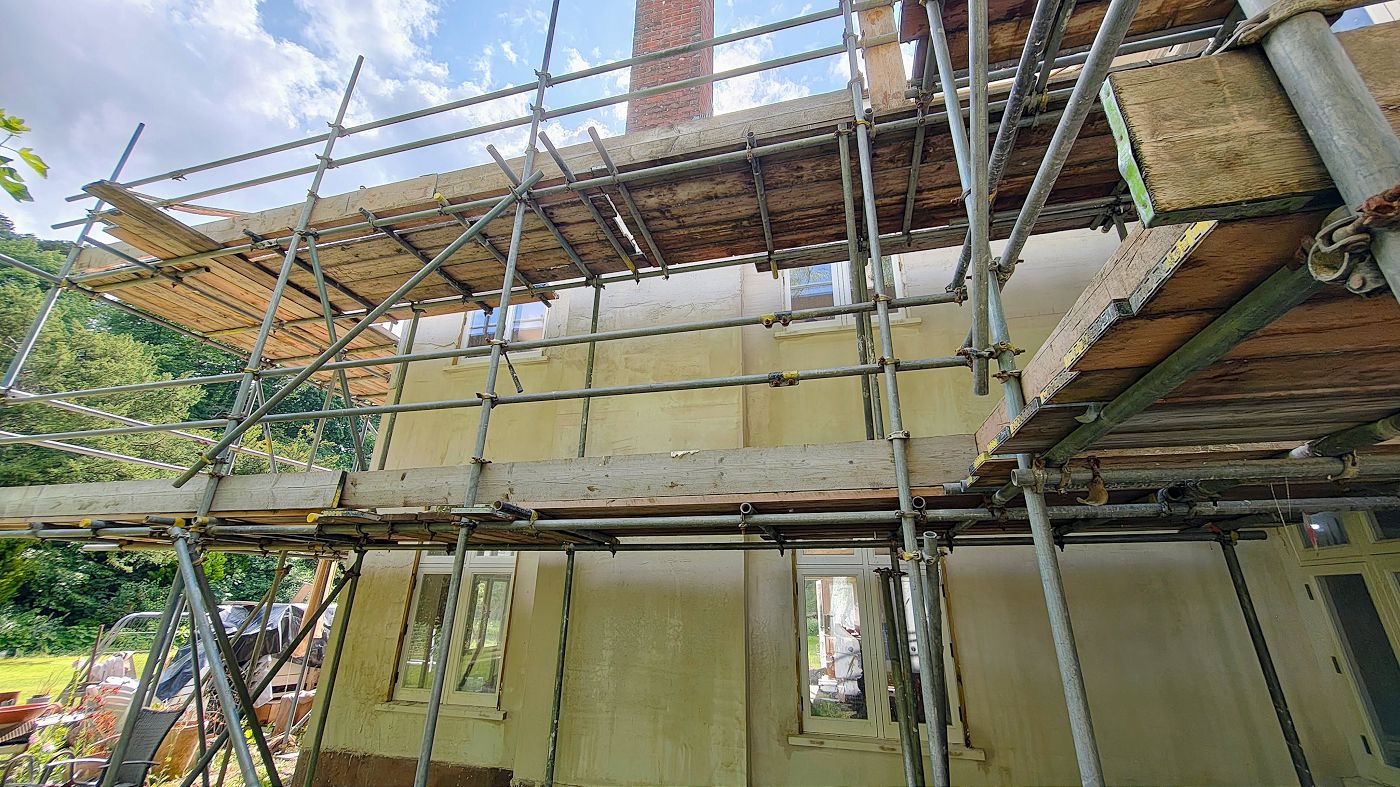
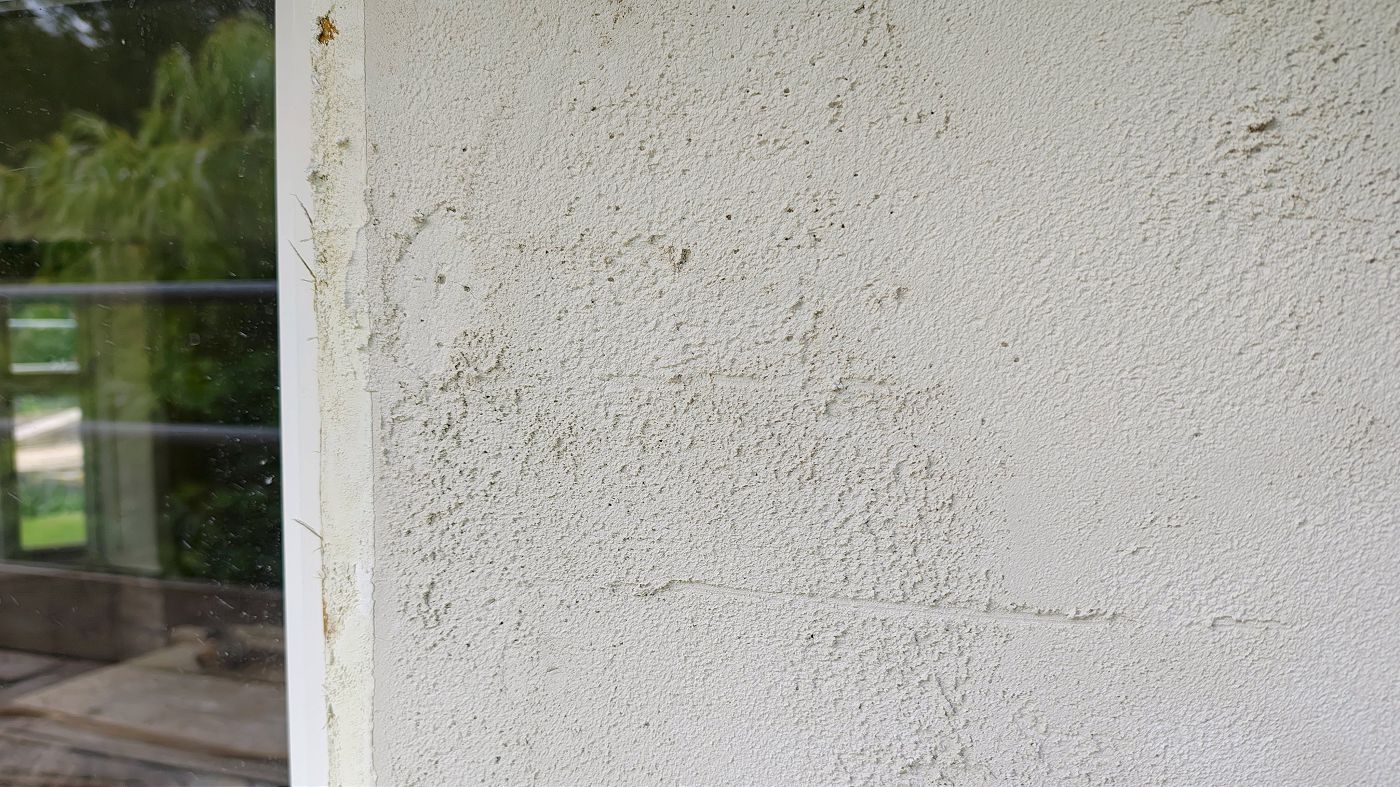
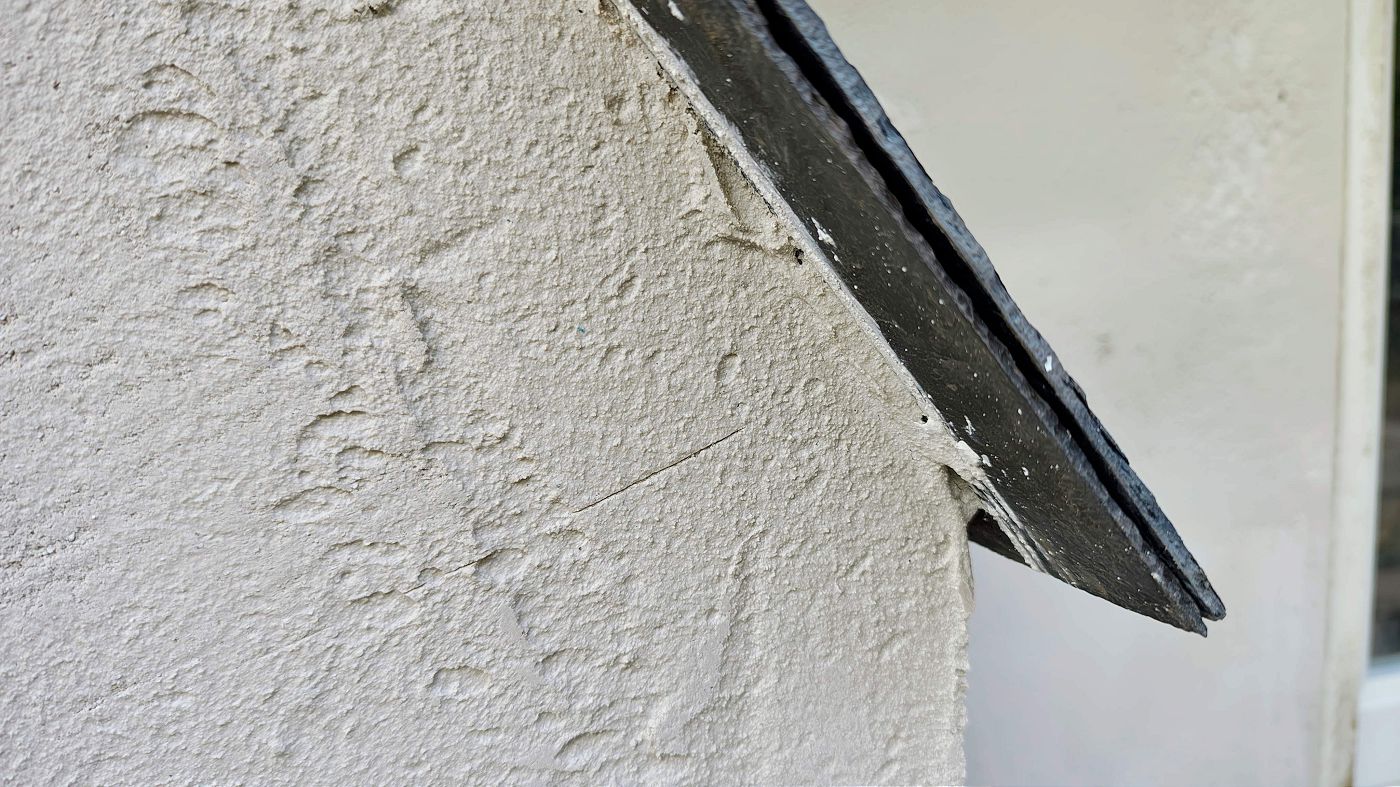
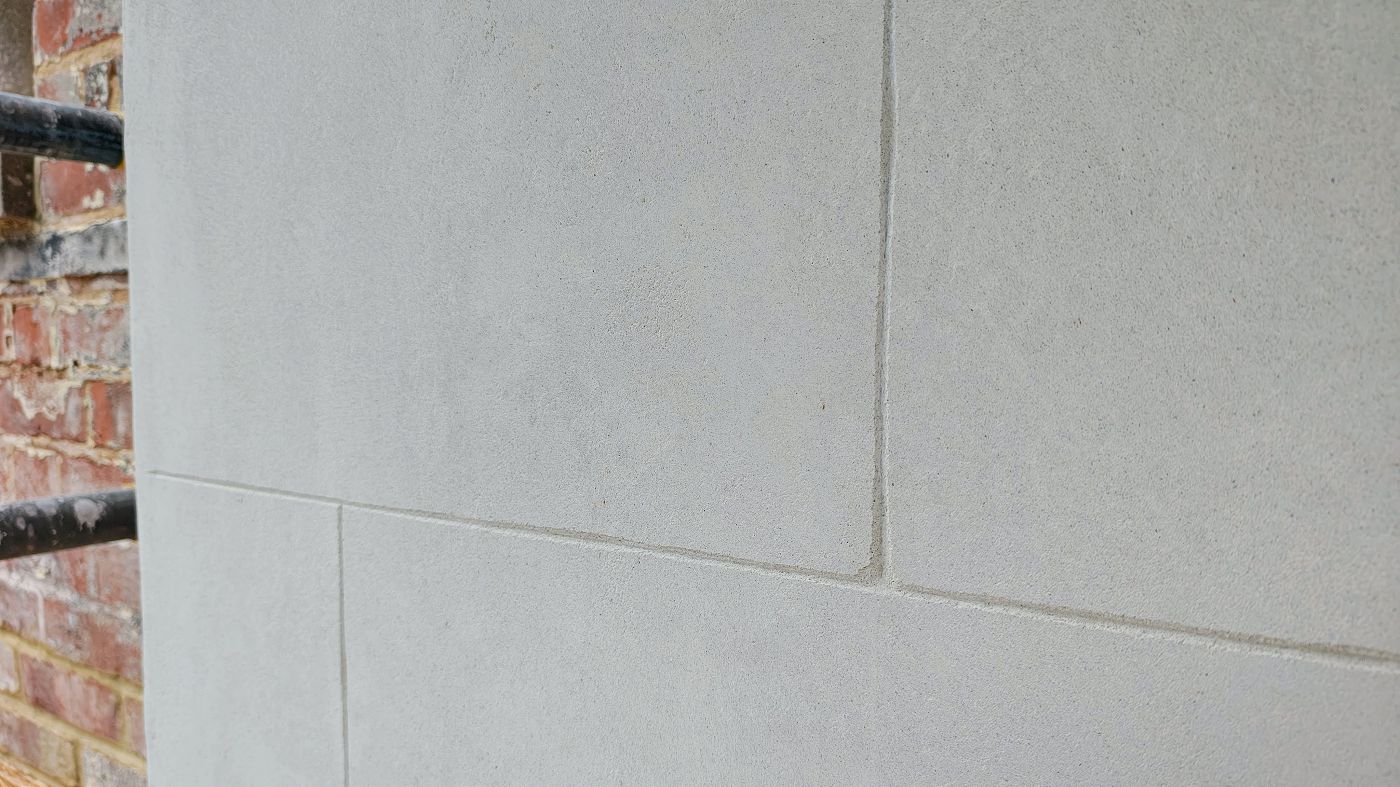
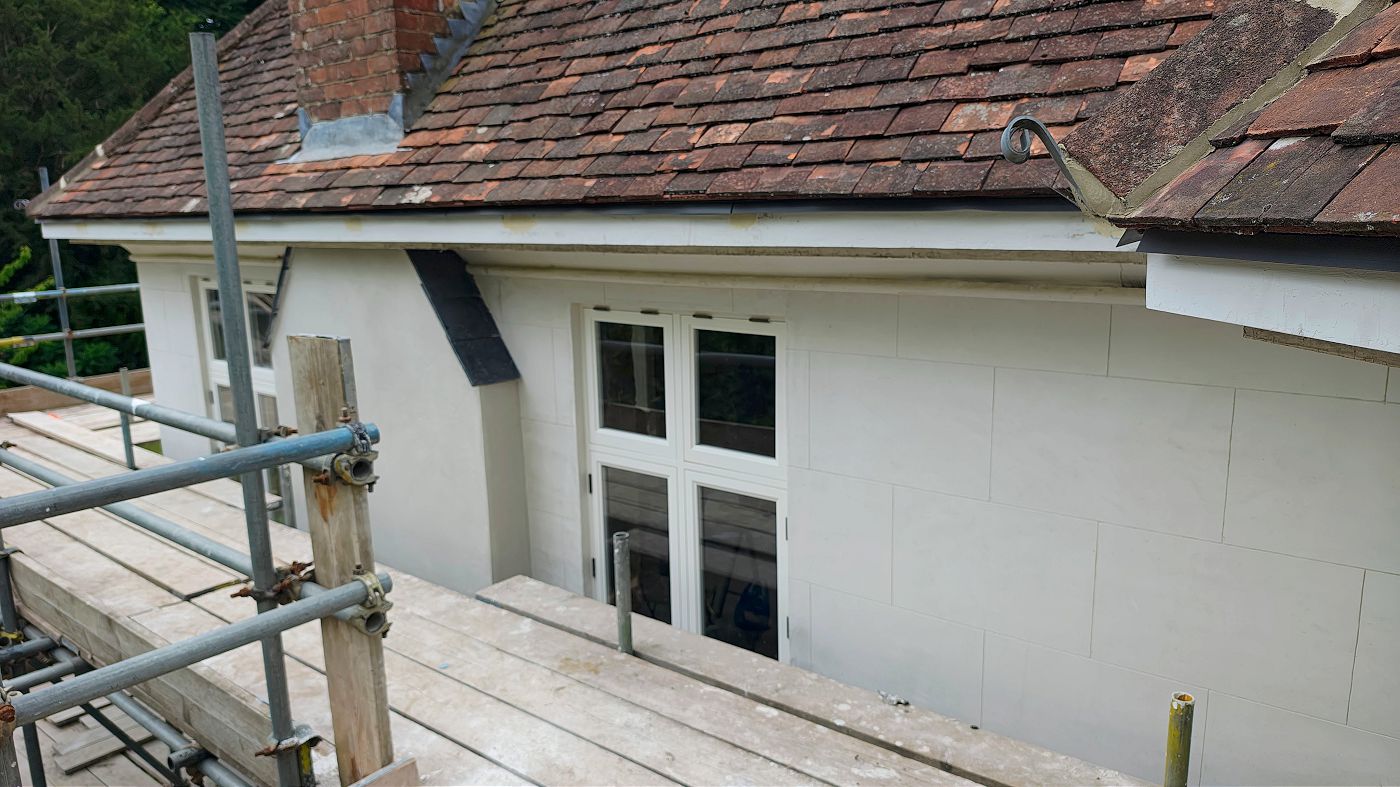
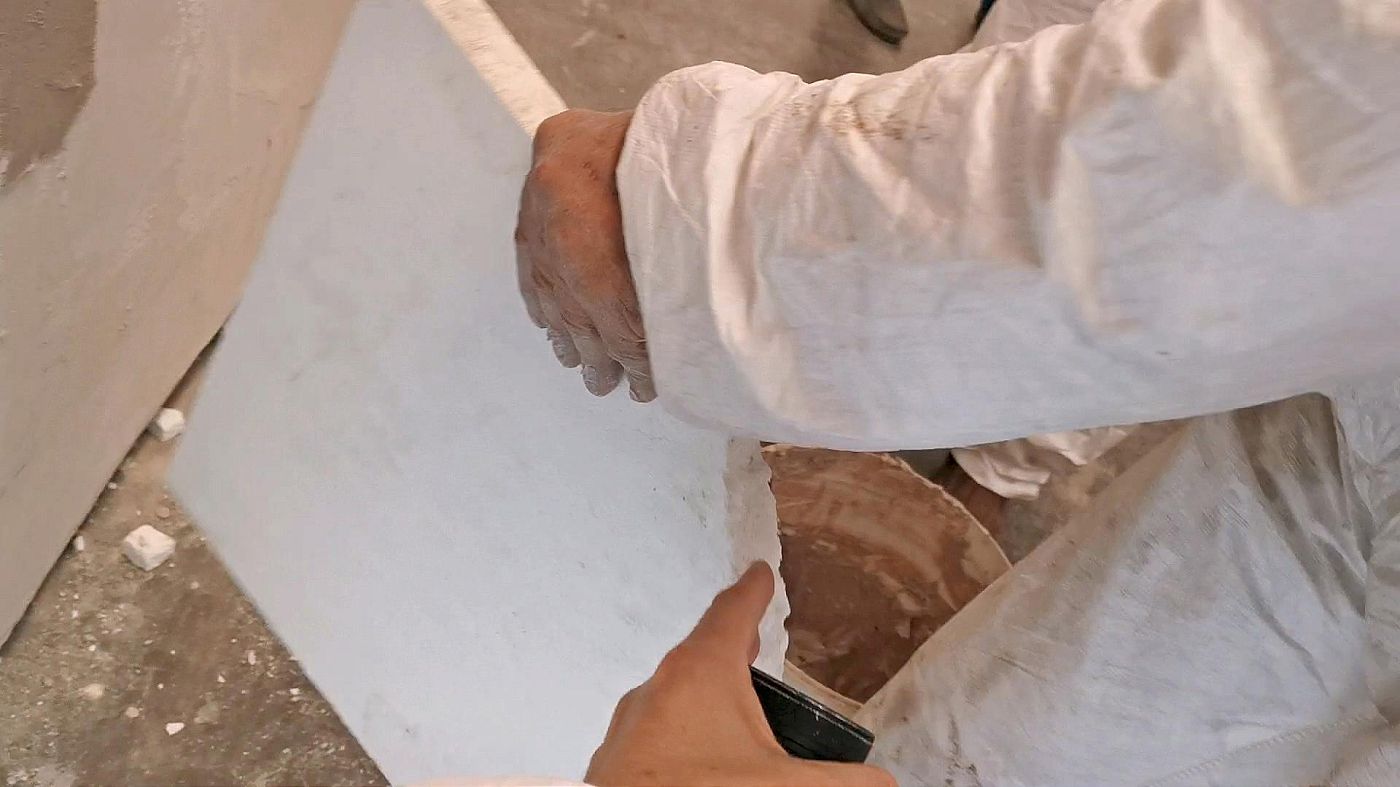
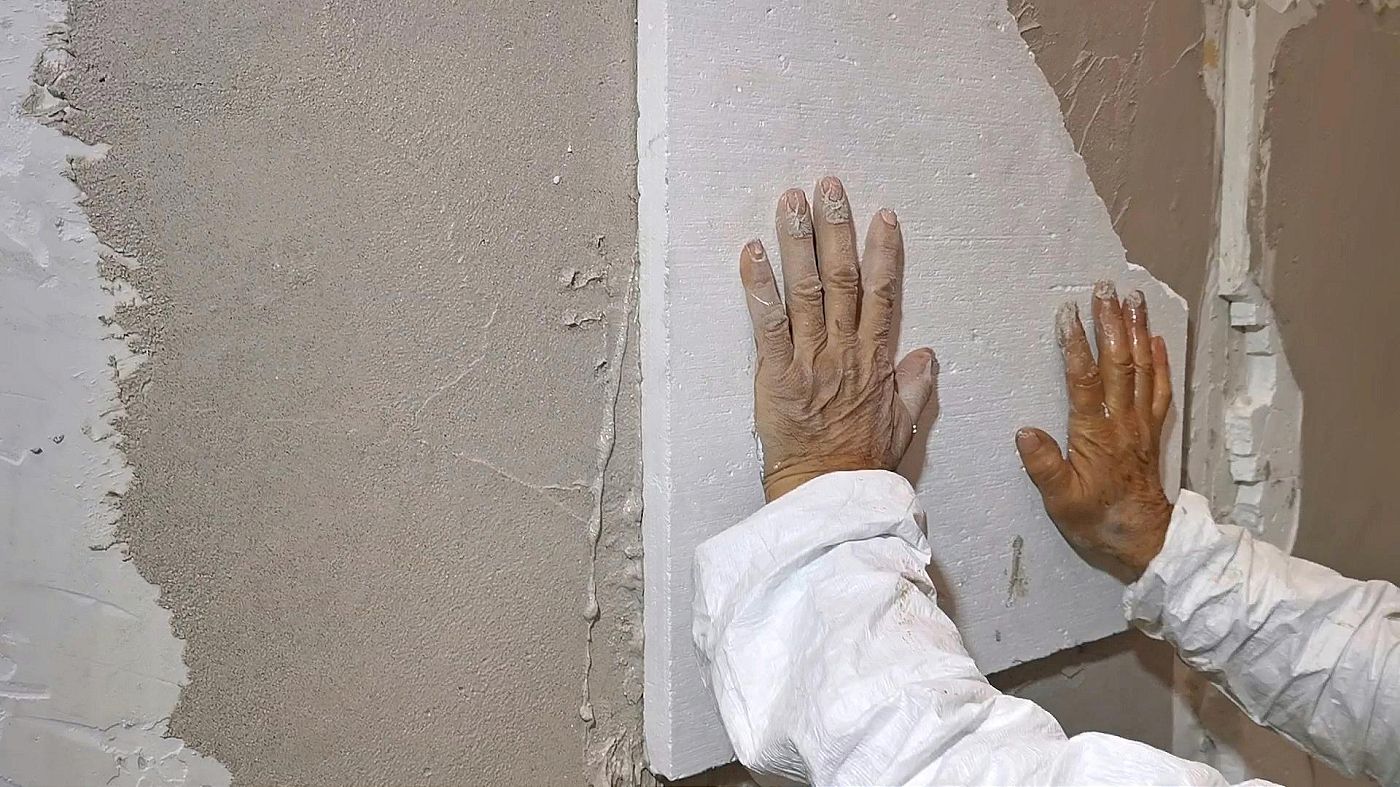
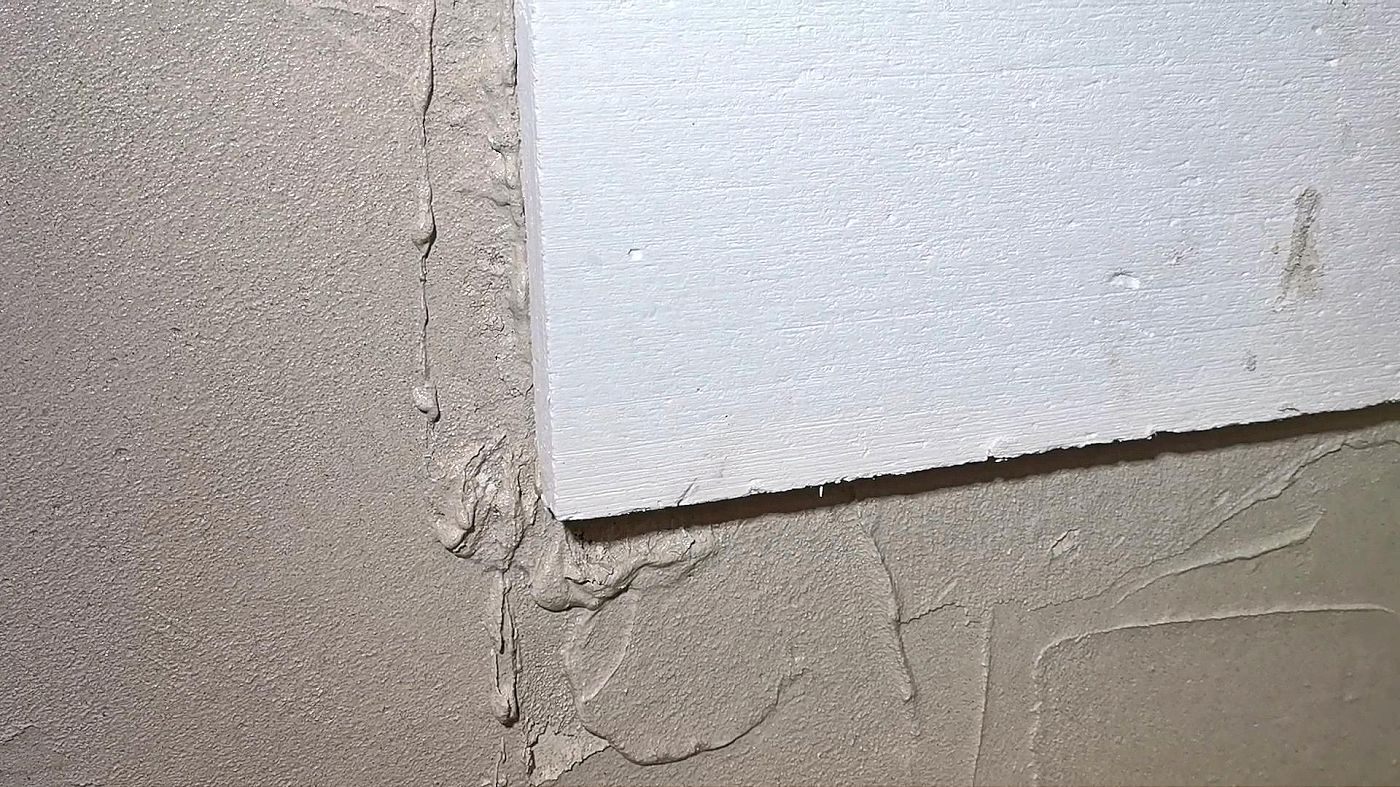
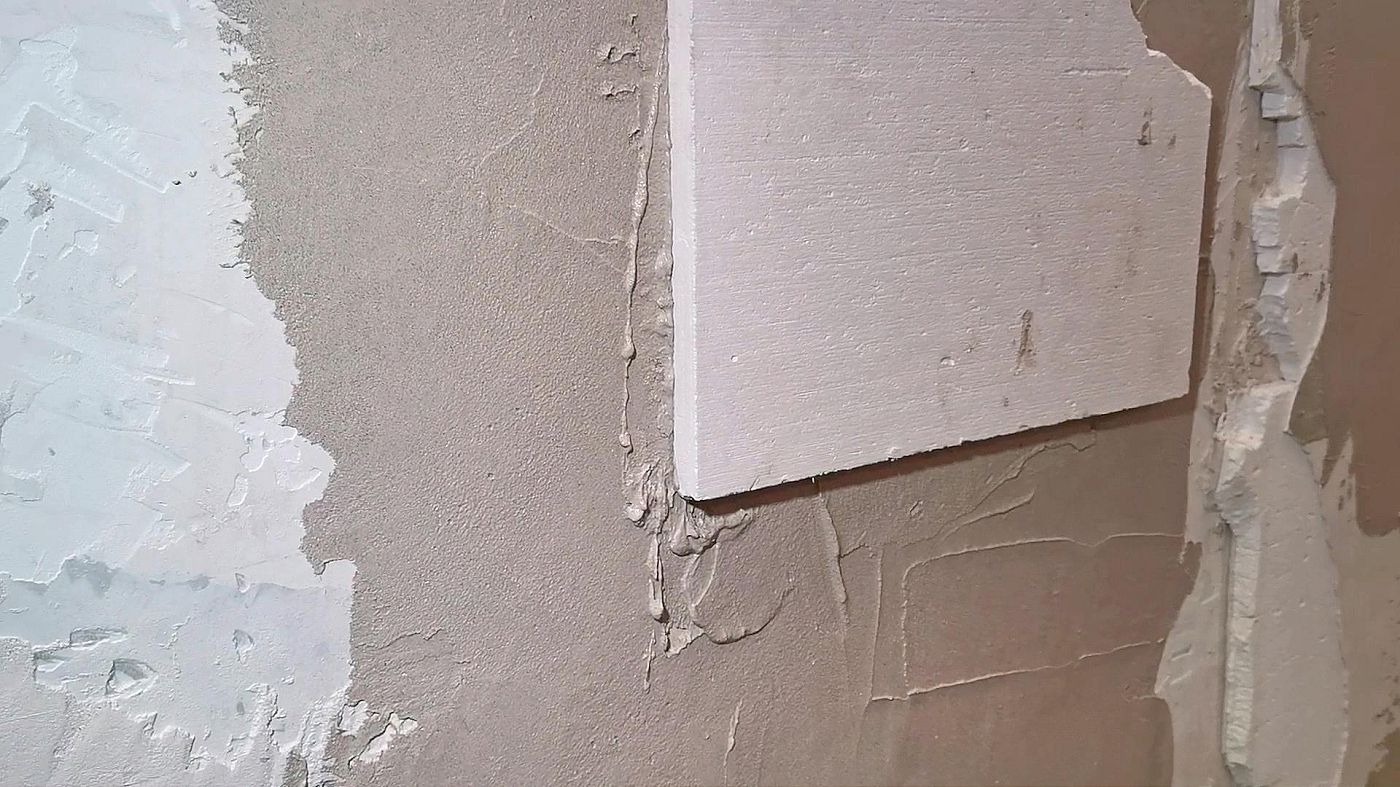
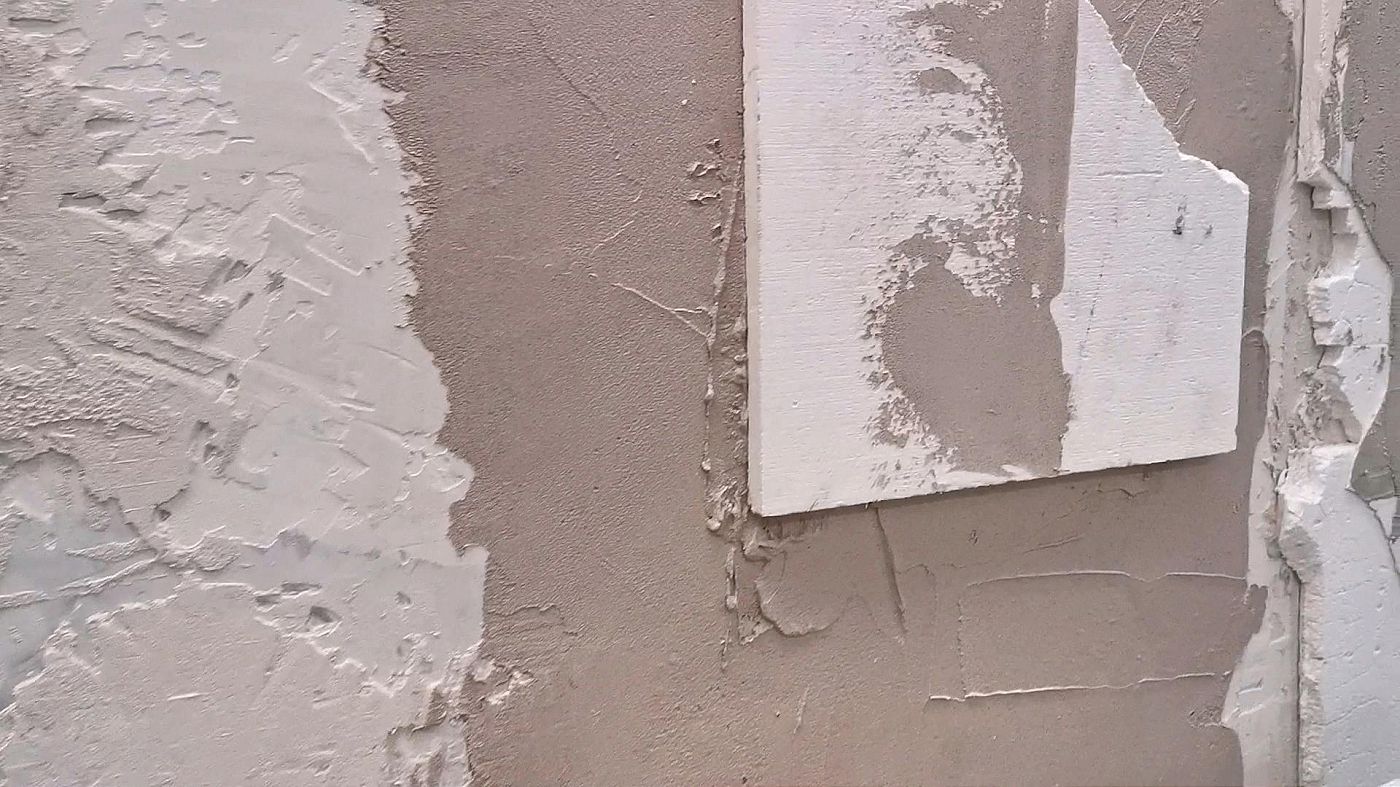
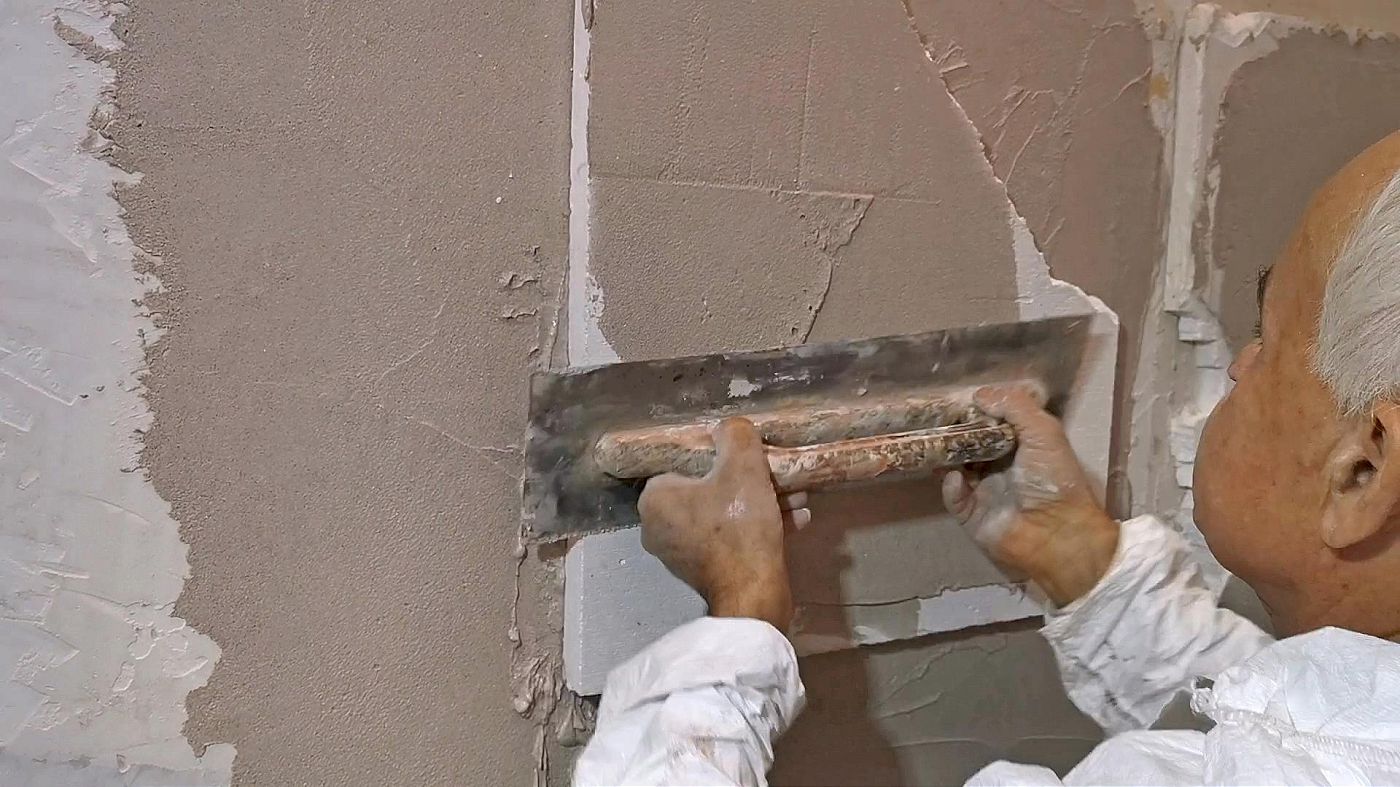
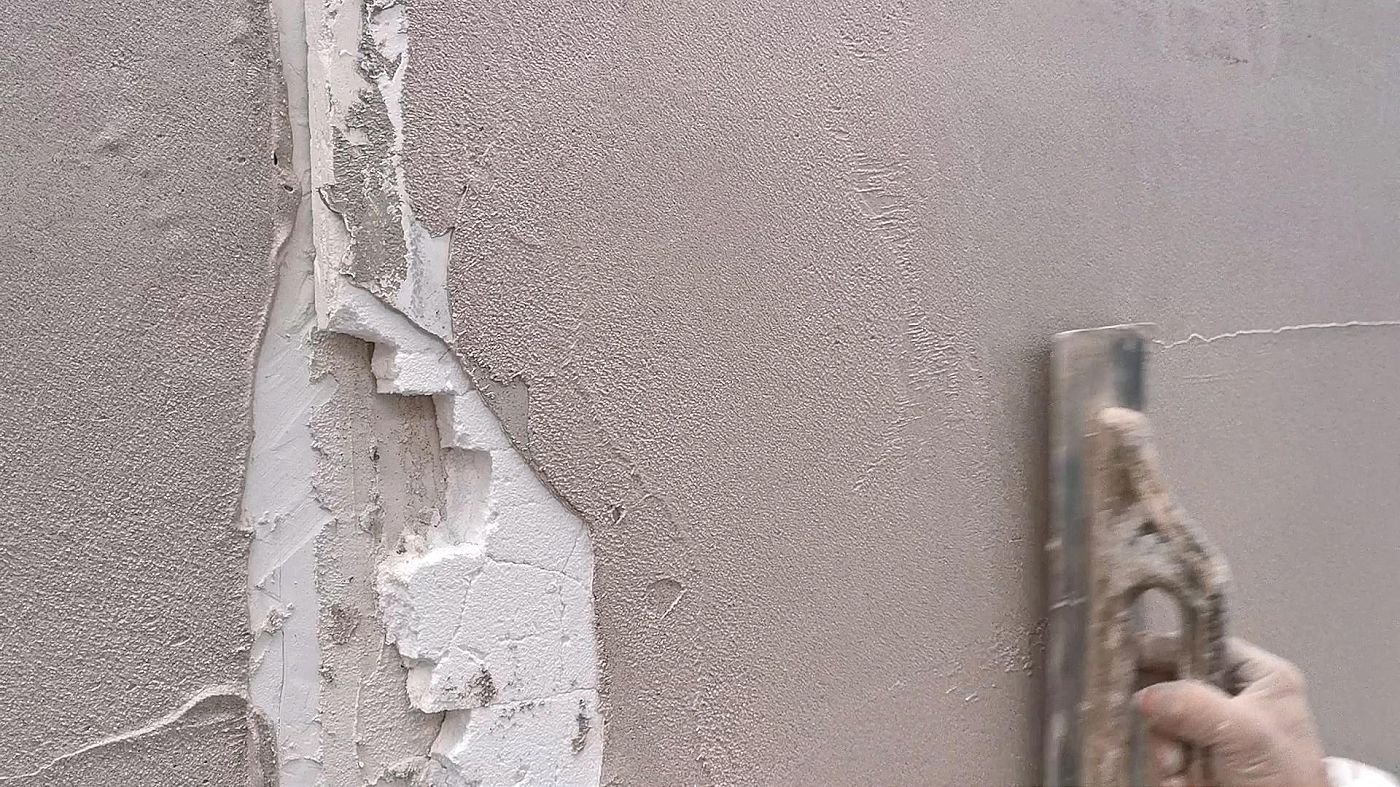
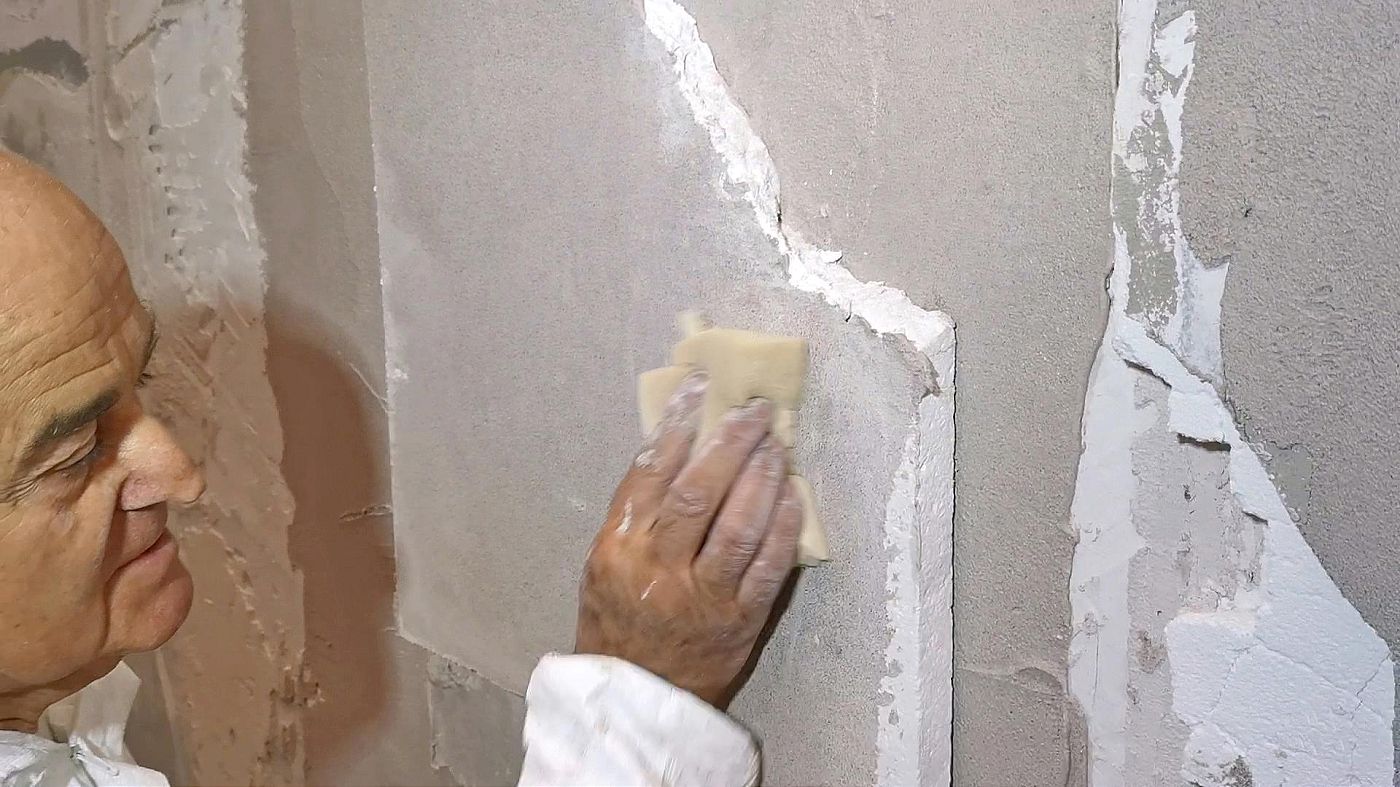
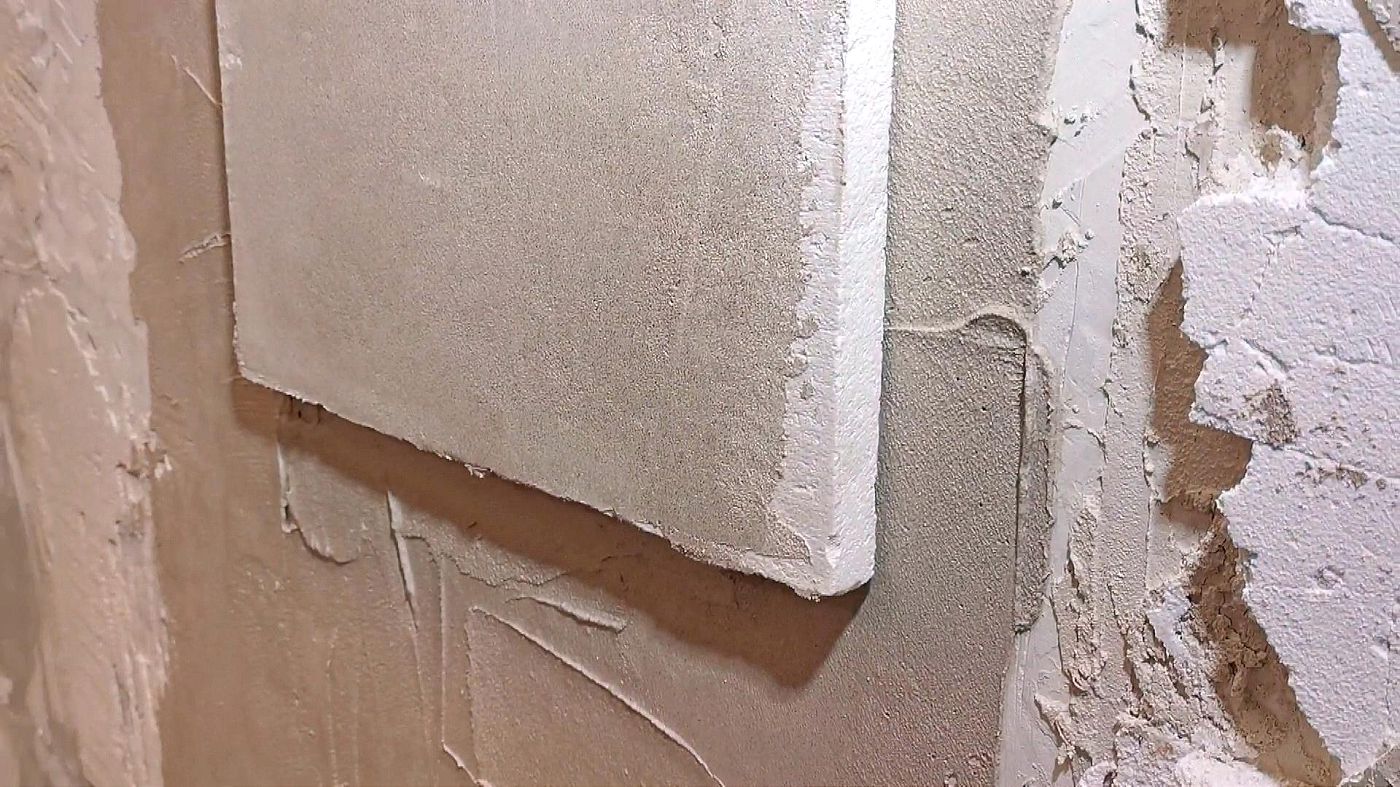
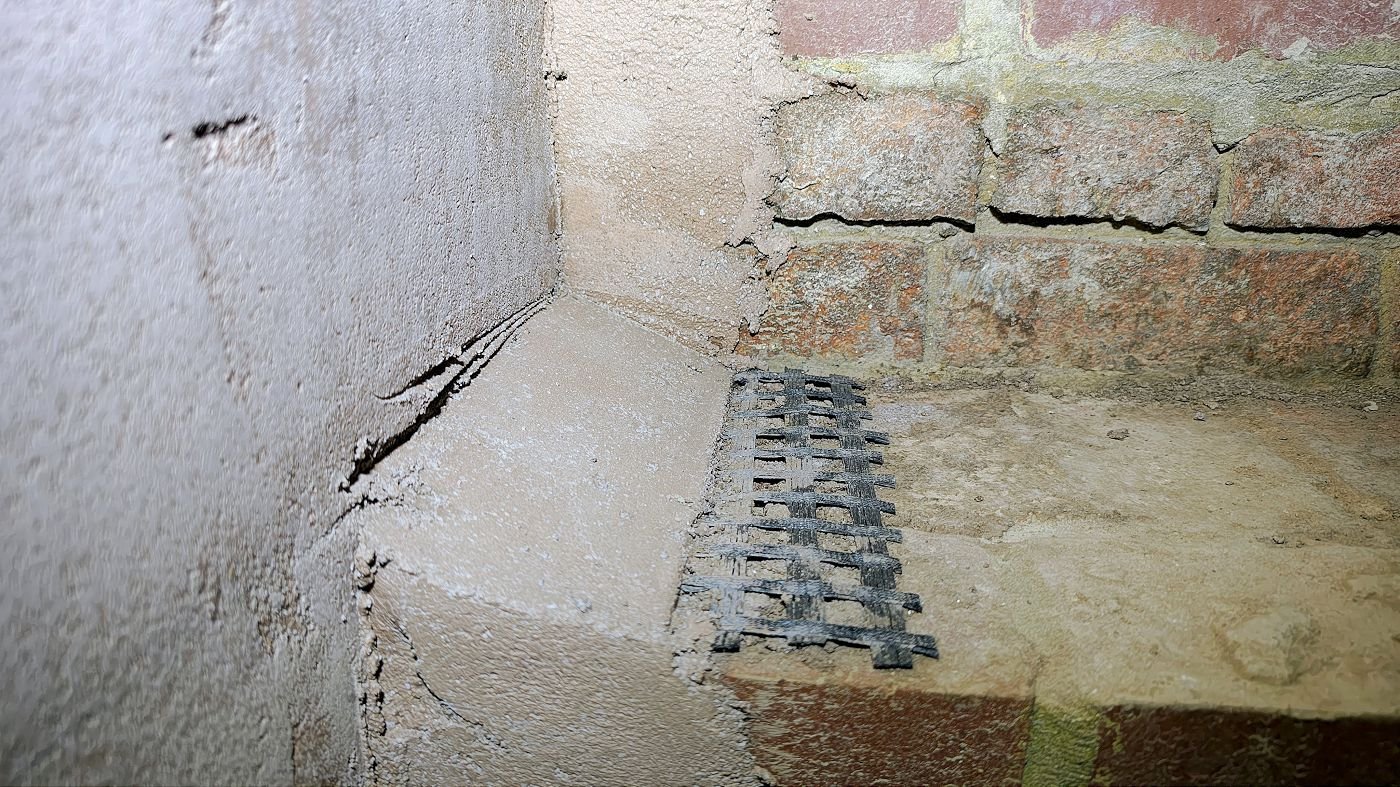
Fixing Thermal Insulation Panels to Walls

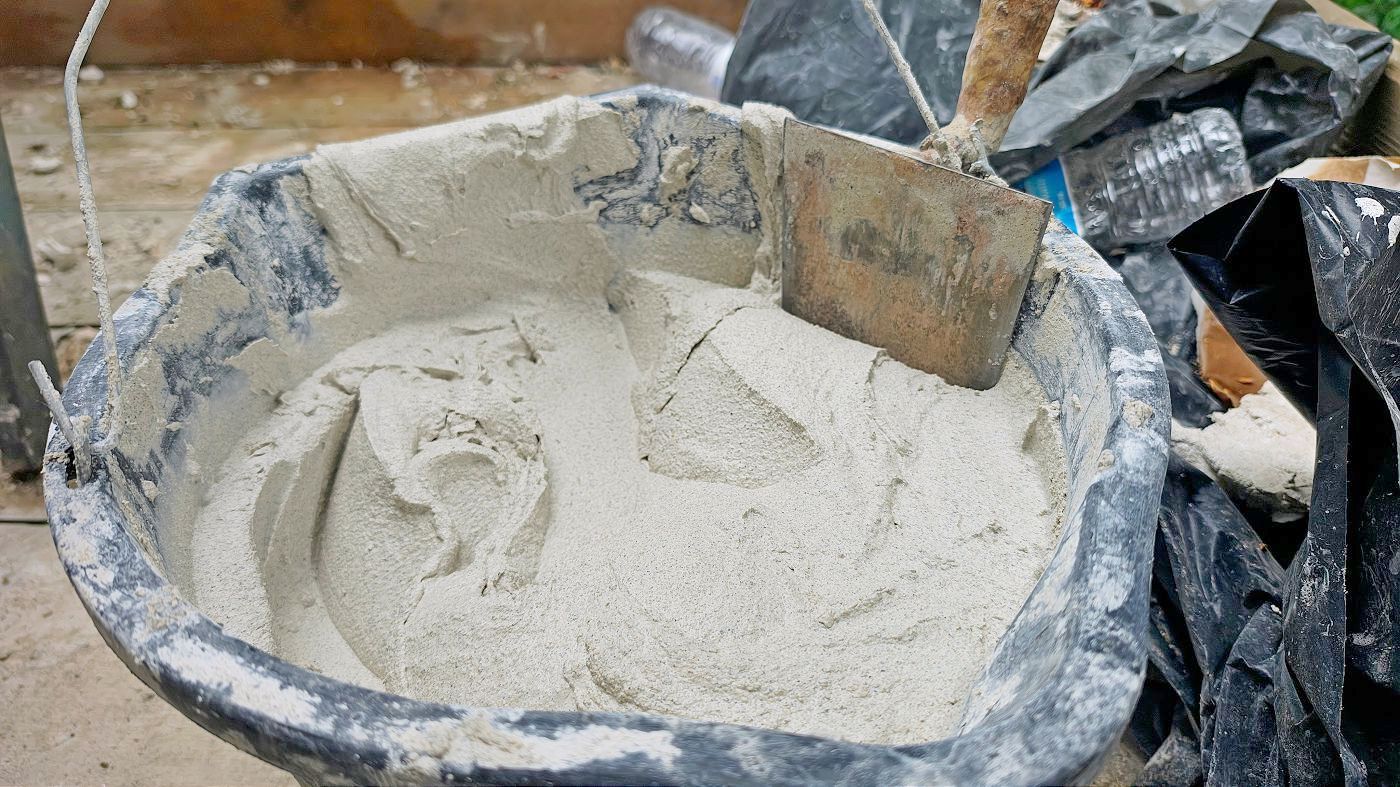
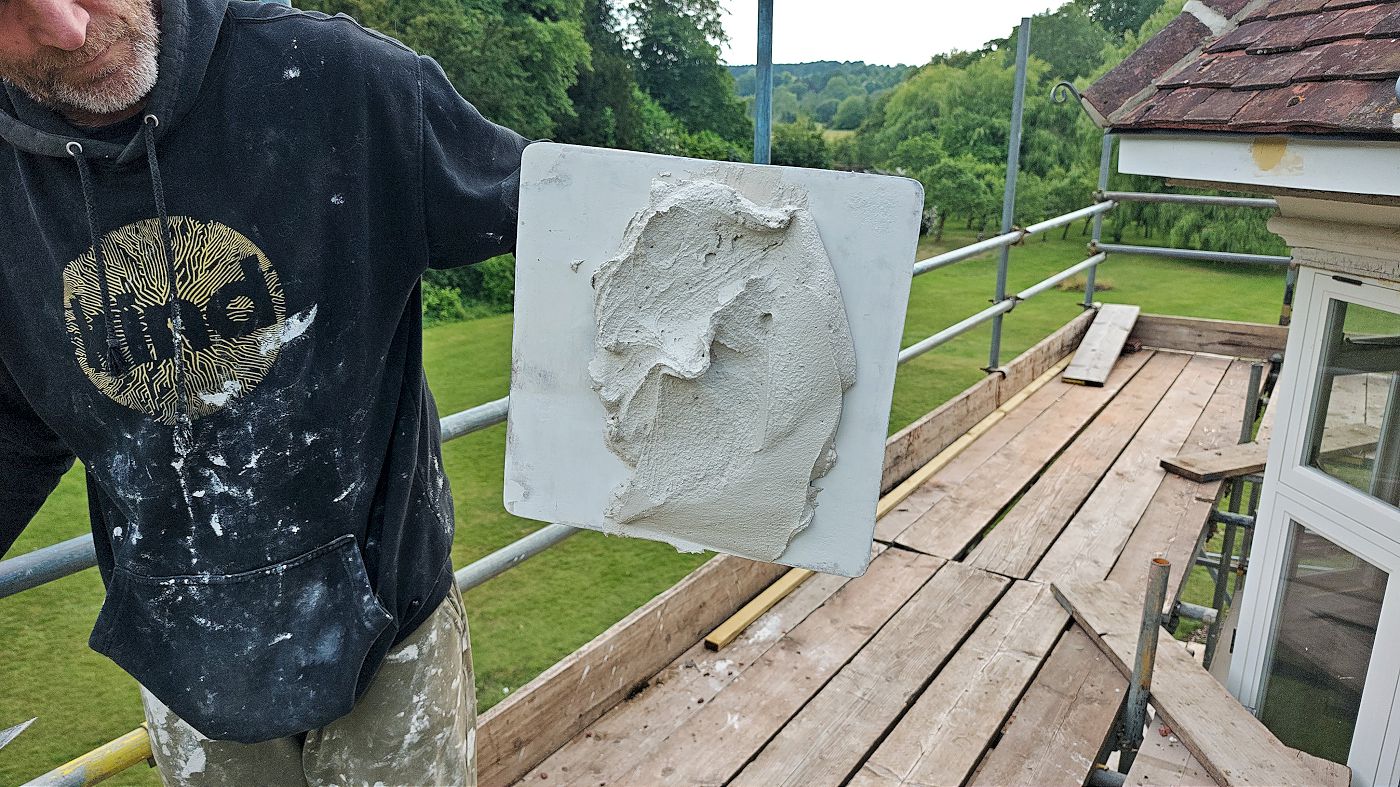
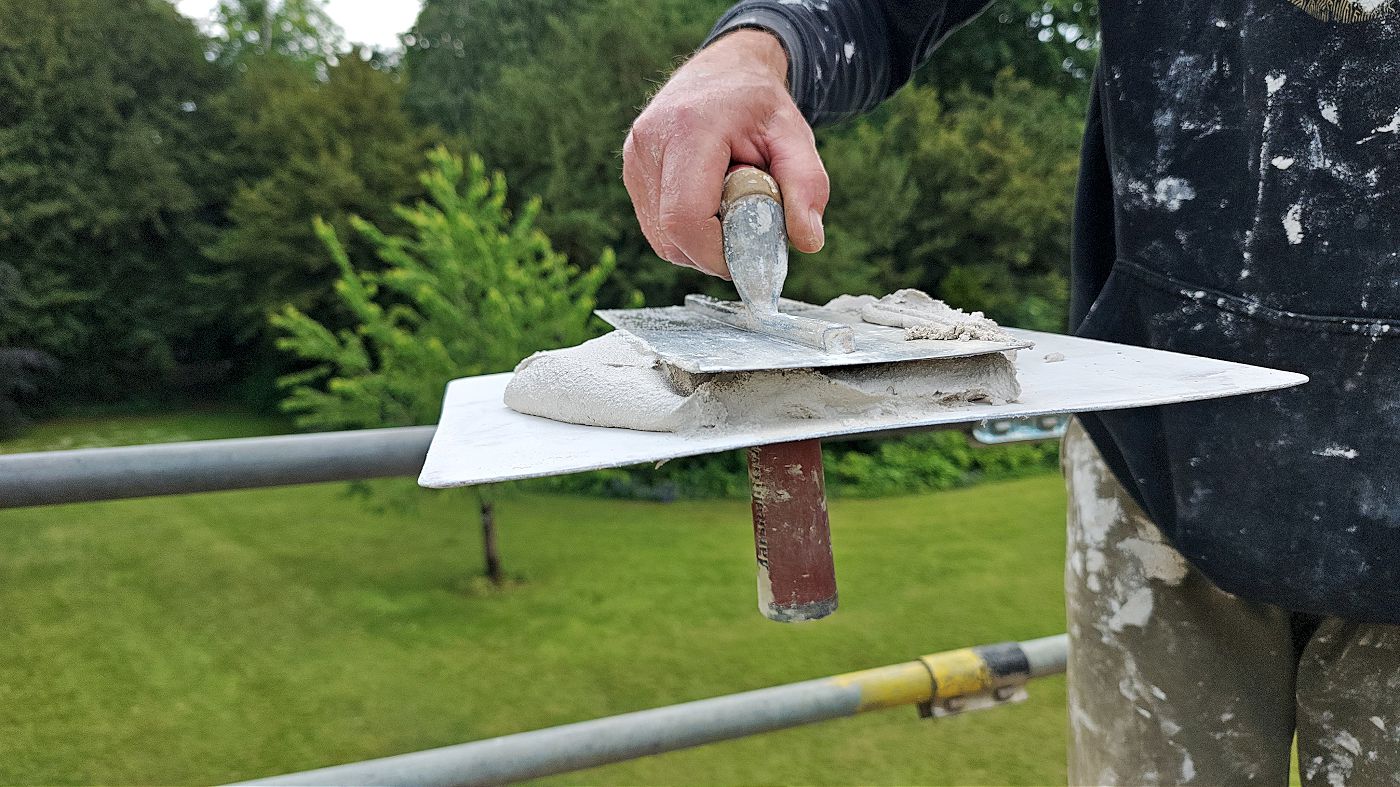
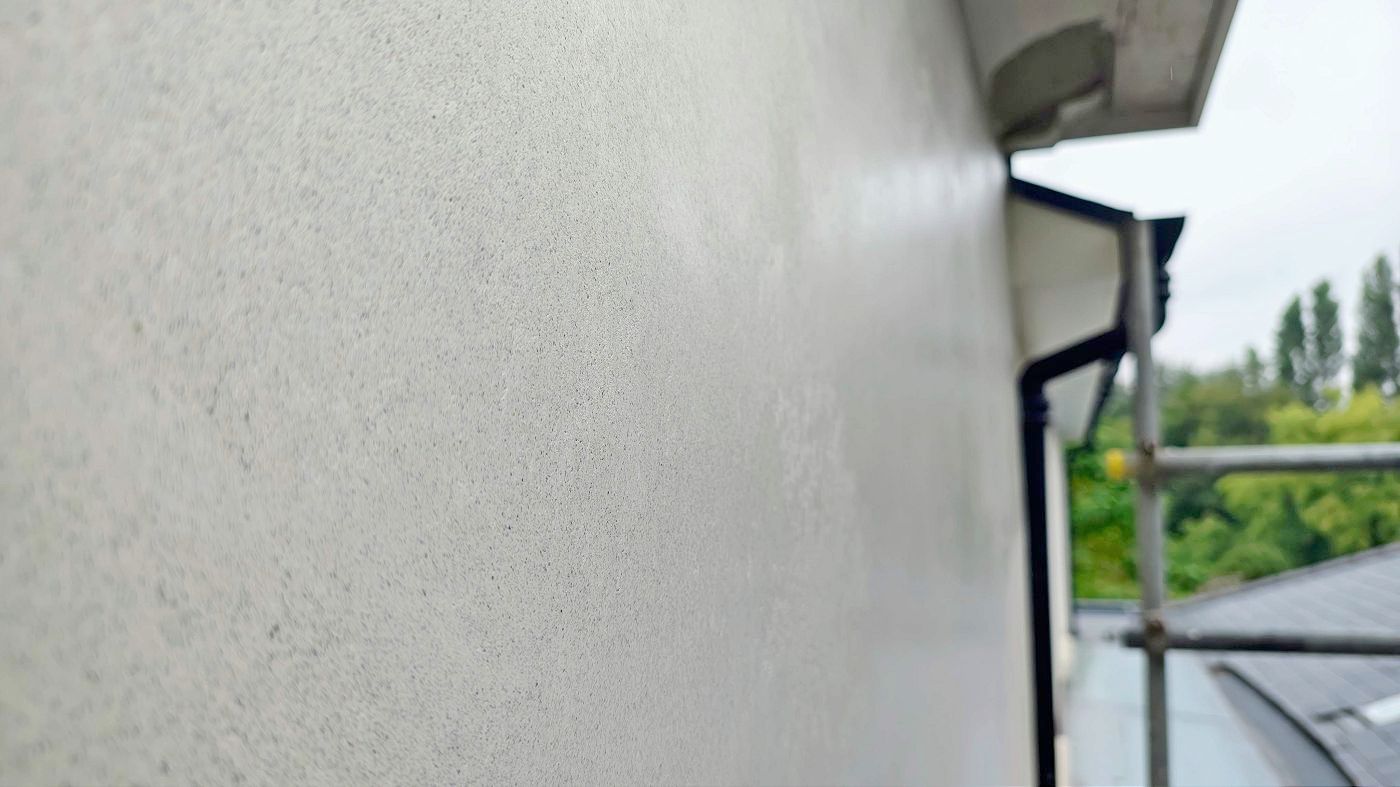
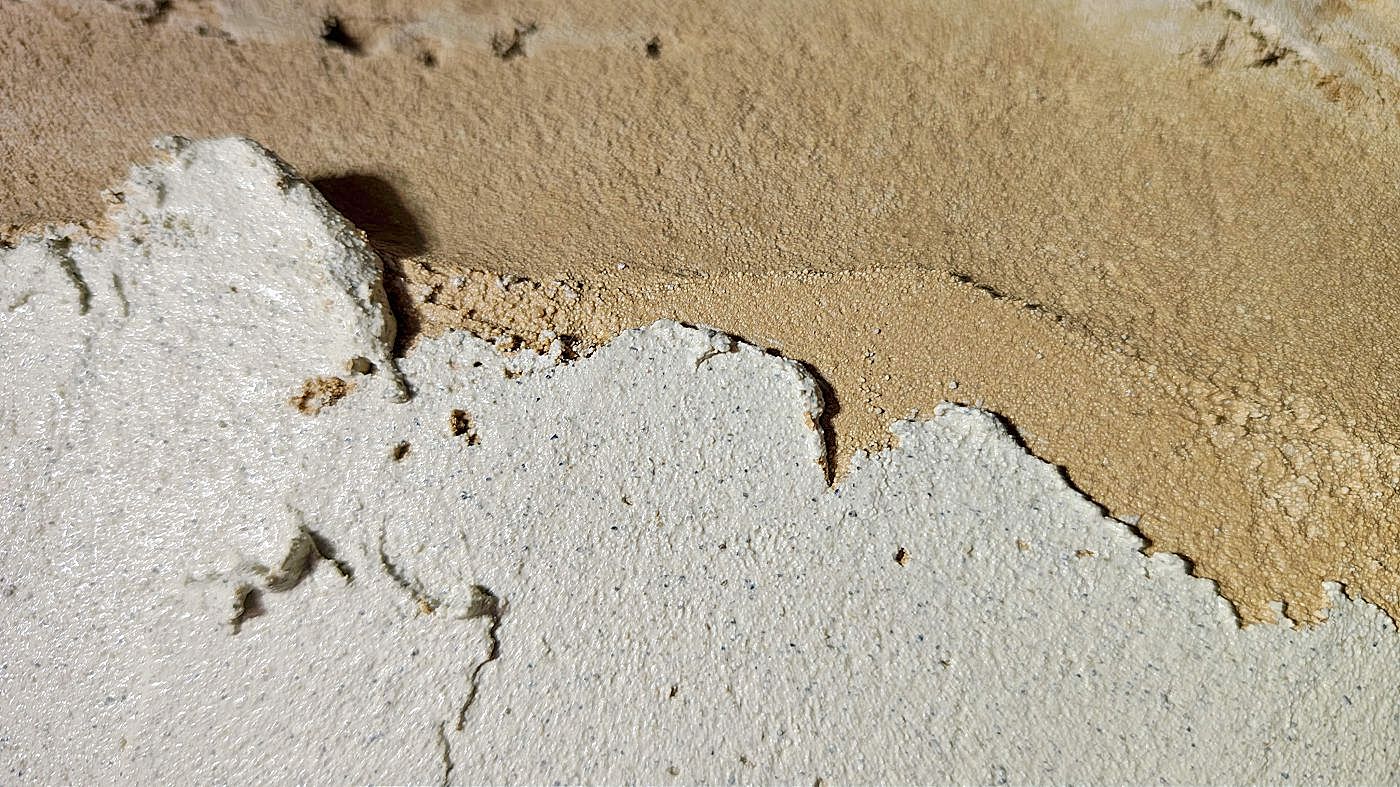
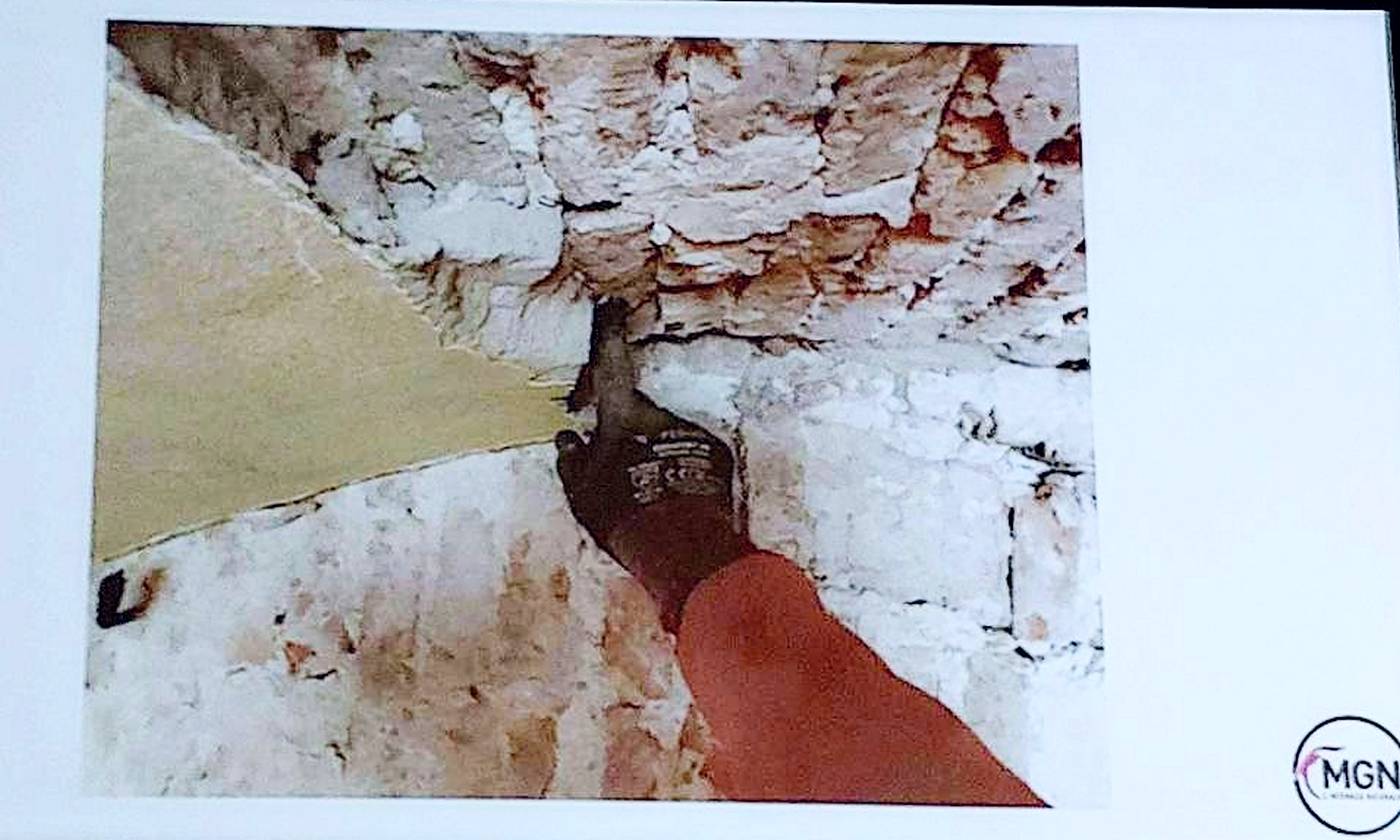
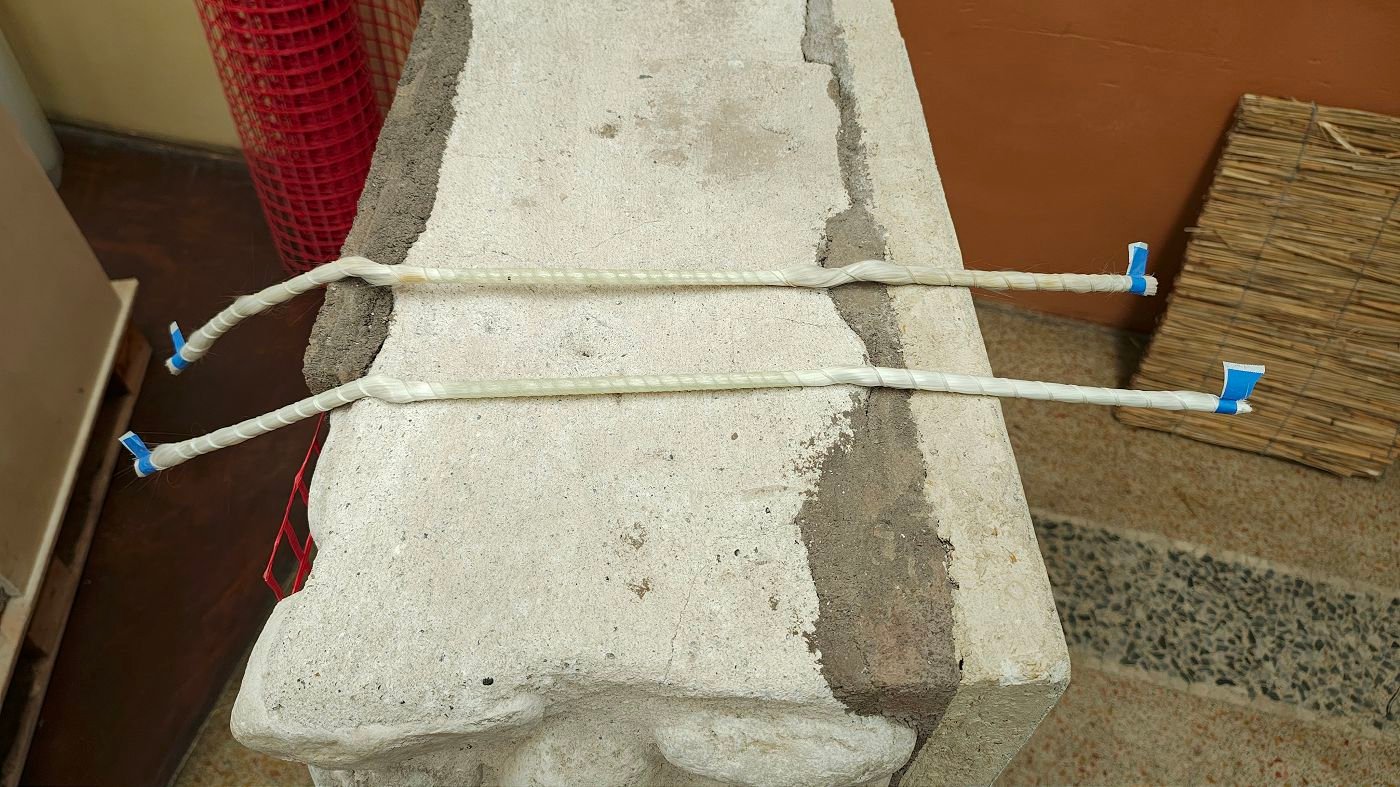
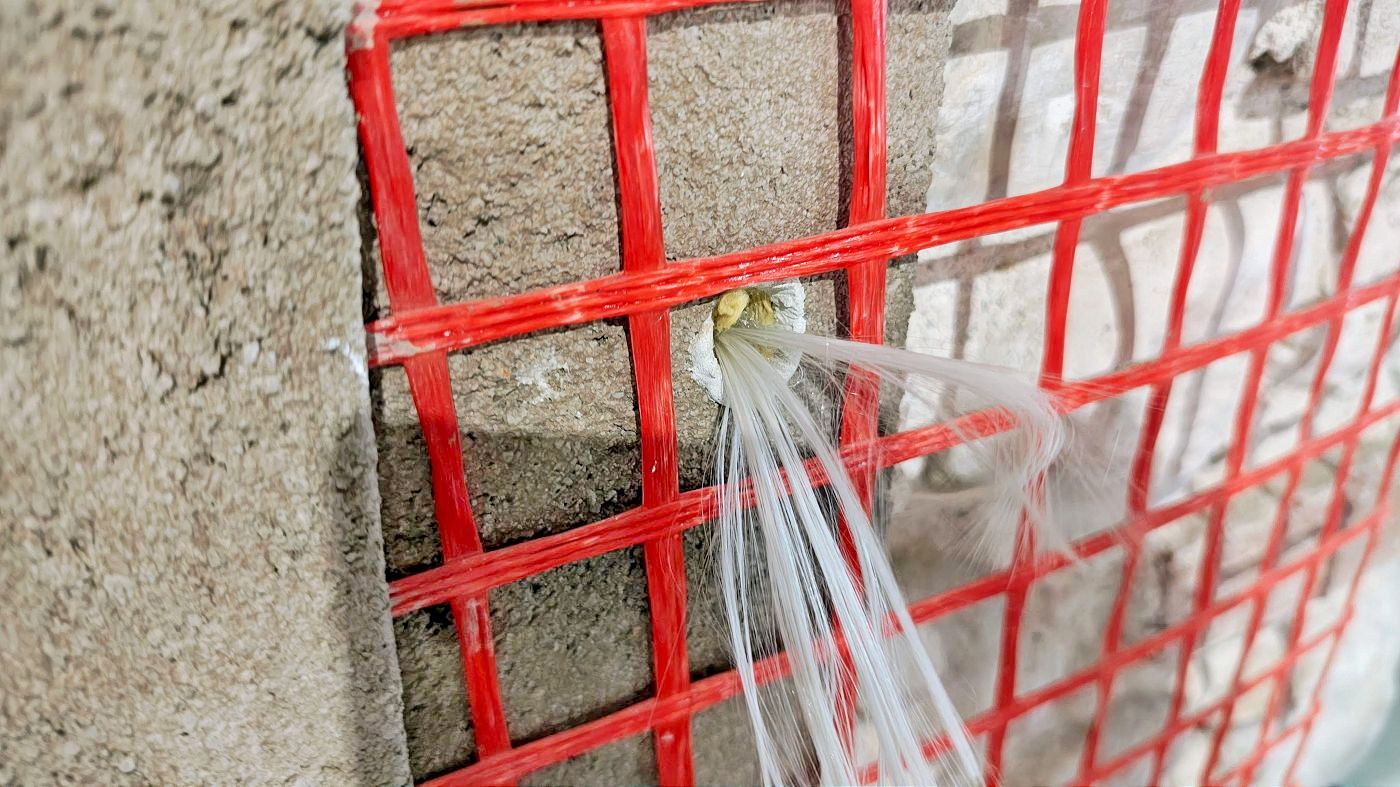
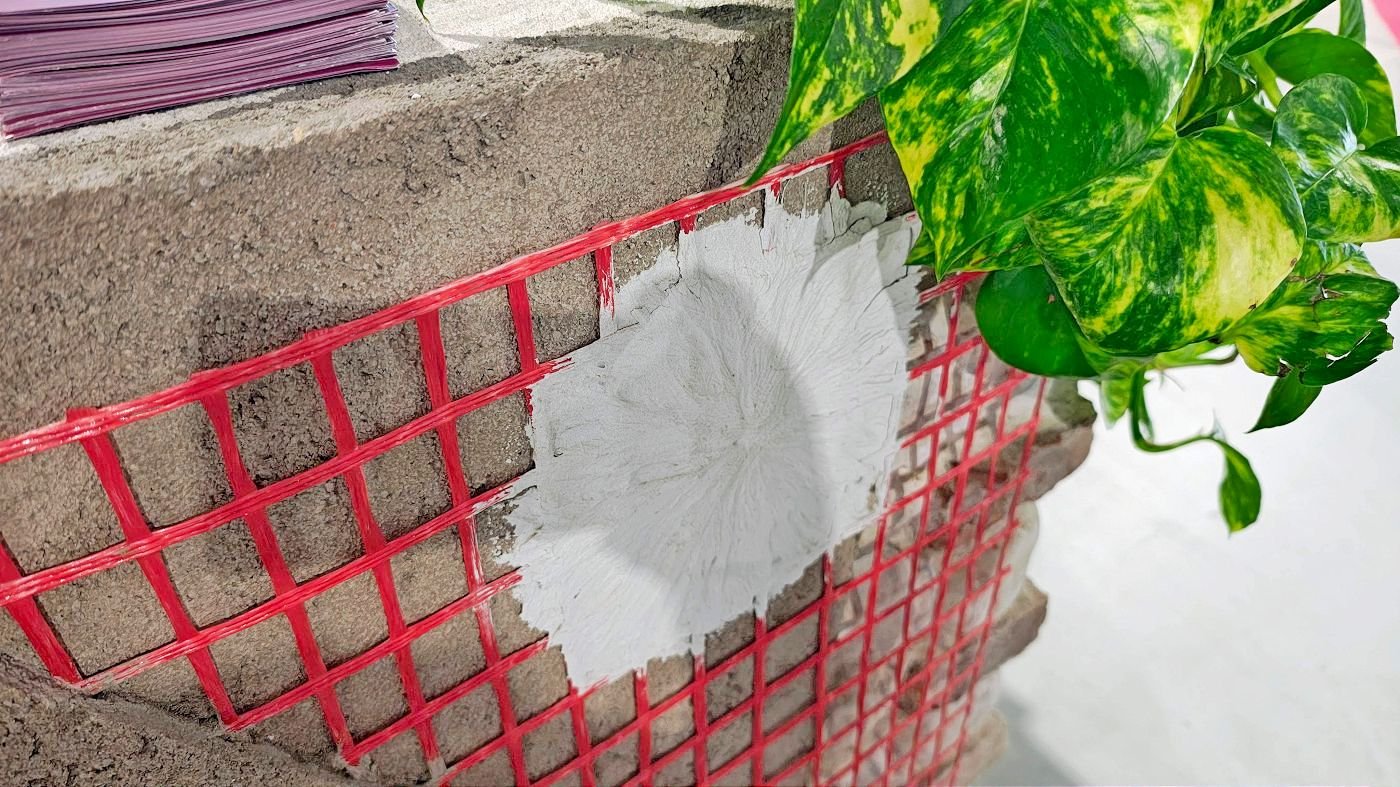
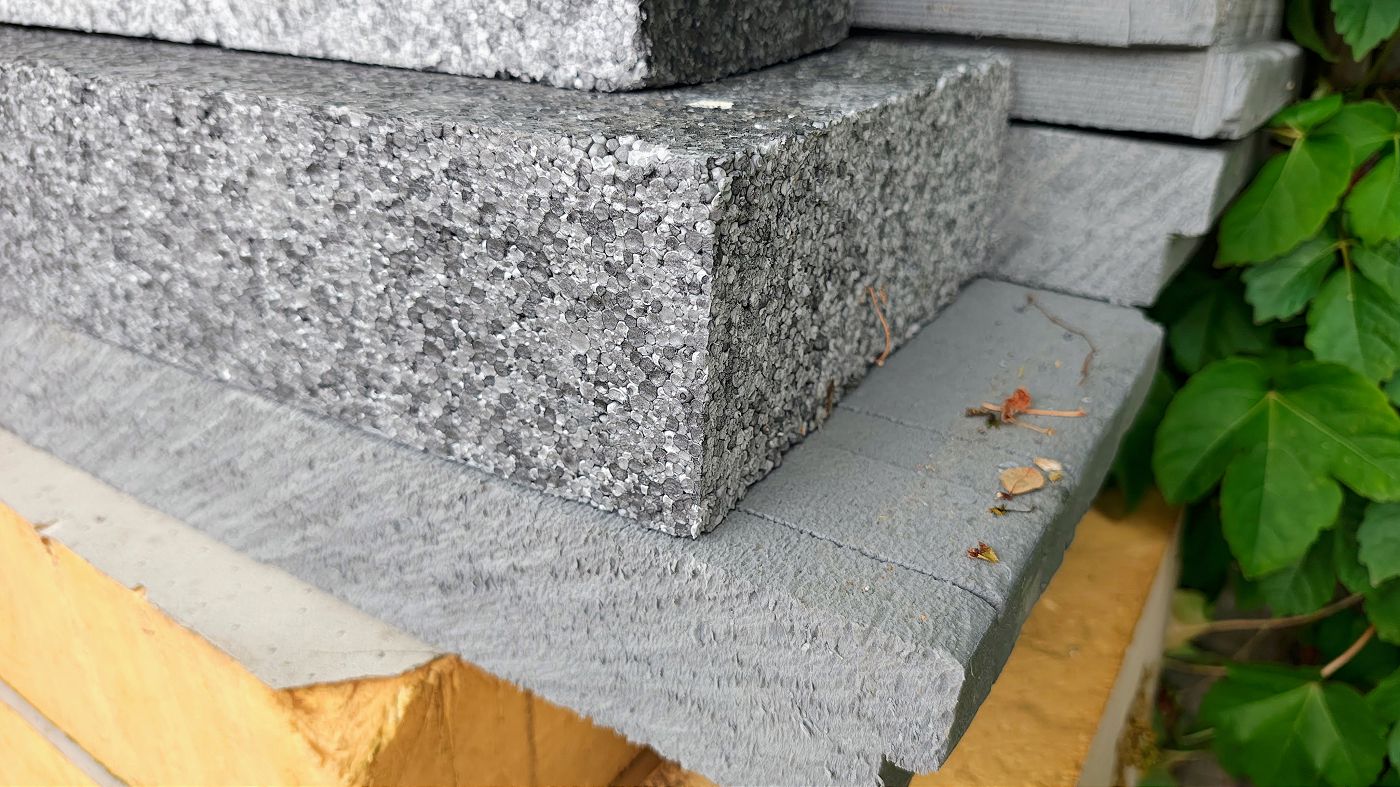
Here is an application example of Rasacol MGN lime plaster directly onto calcium silicate insulation panels, first as a mineral adhesive and then as a finishing plaster.

The Rasacol is a heritage-appropriate composite lime mortar, formulated with natural air lime, some hydraulic lime (NHL 3.5), cocciopesto (brick dust) and natural pozzolans. This combination gives it a dual hardening mechanism — hydraulic and pozzolanic — allowing it to gain early strength reliably while remaining vapour-open and compatible with damp historic masonry.
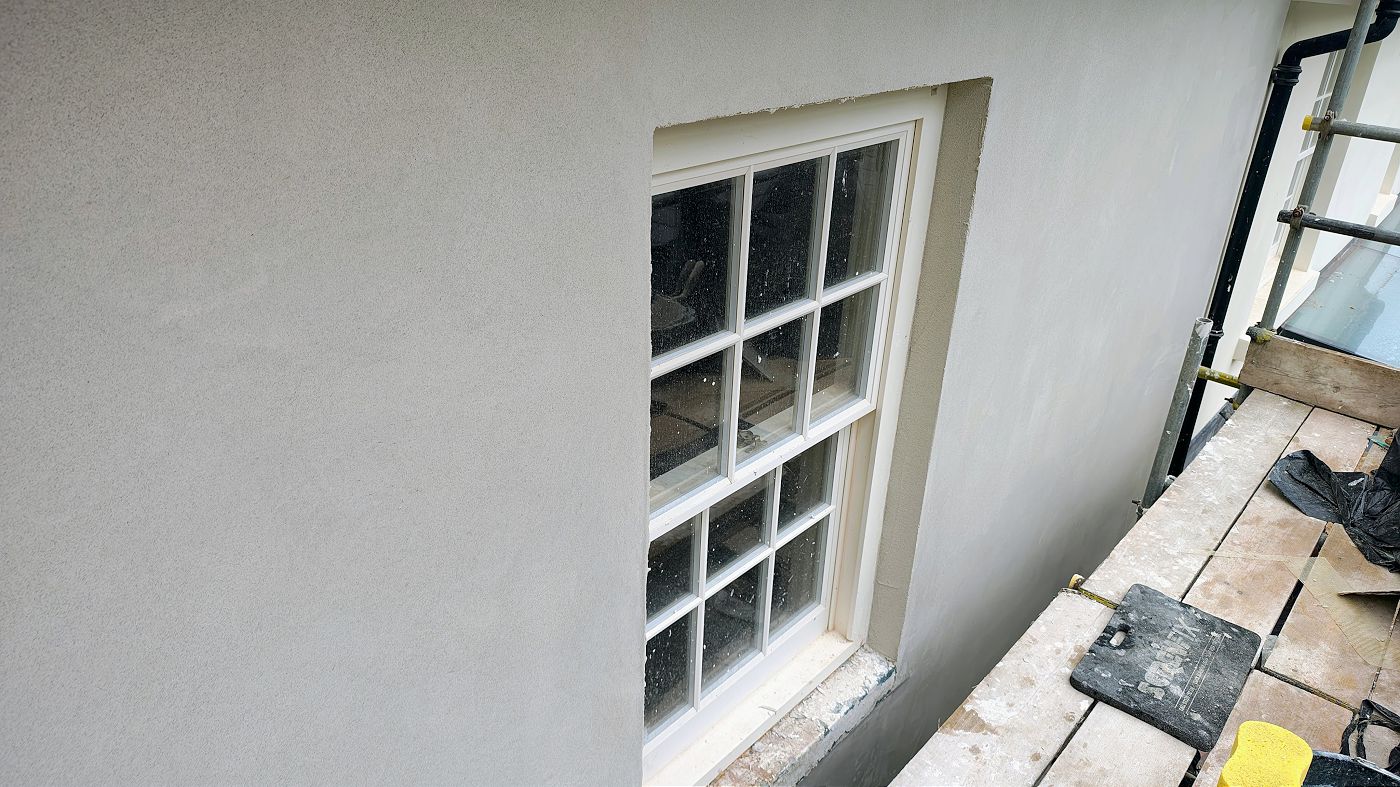
It forms a continuous, breathable, capillary-active system. It bonds securely without synthetic resins, tolerates moisture during curing and by buffering humidity at the insulation interface, protects and keeps the insulation material dry — a critical zone in traditional buildings.

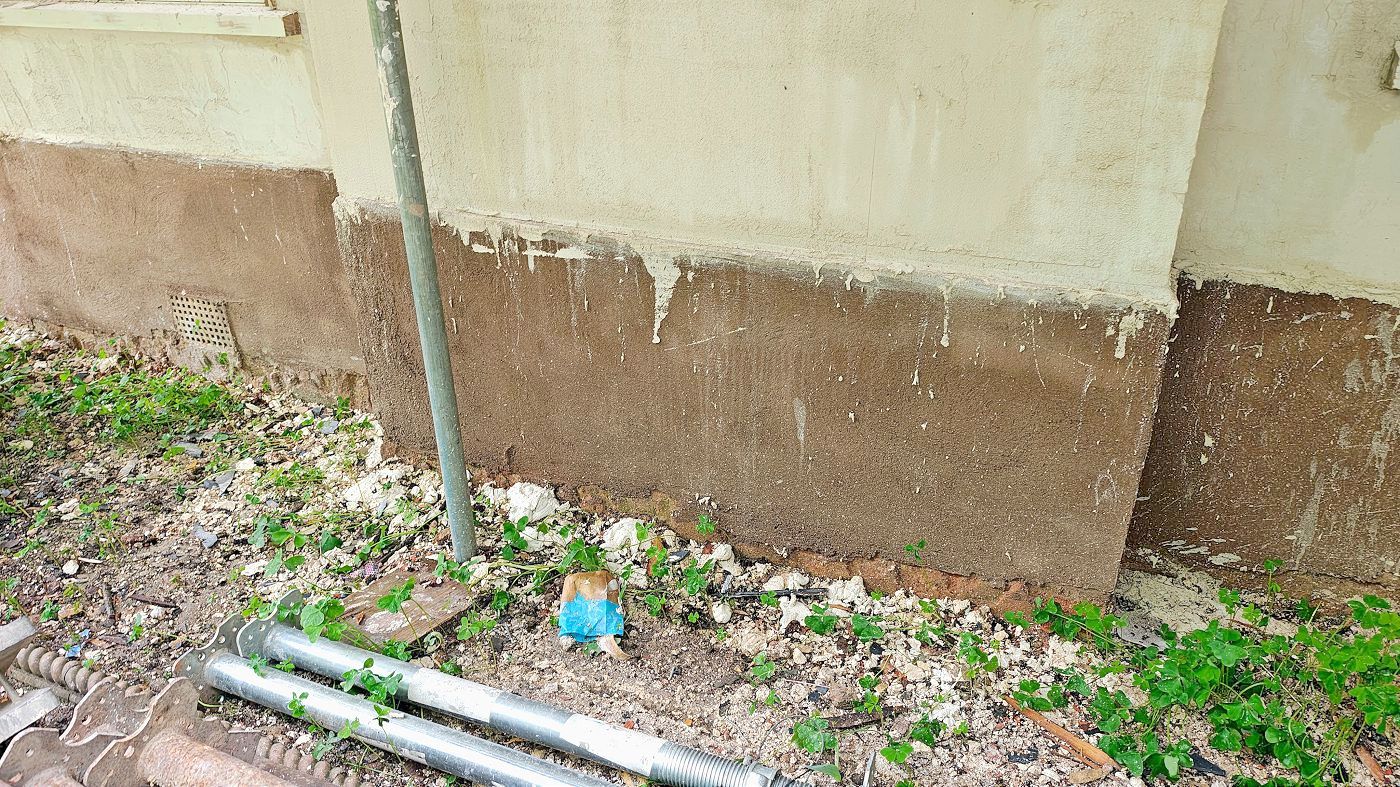
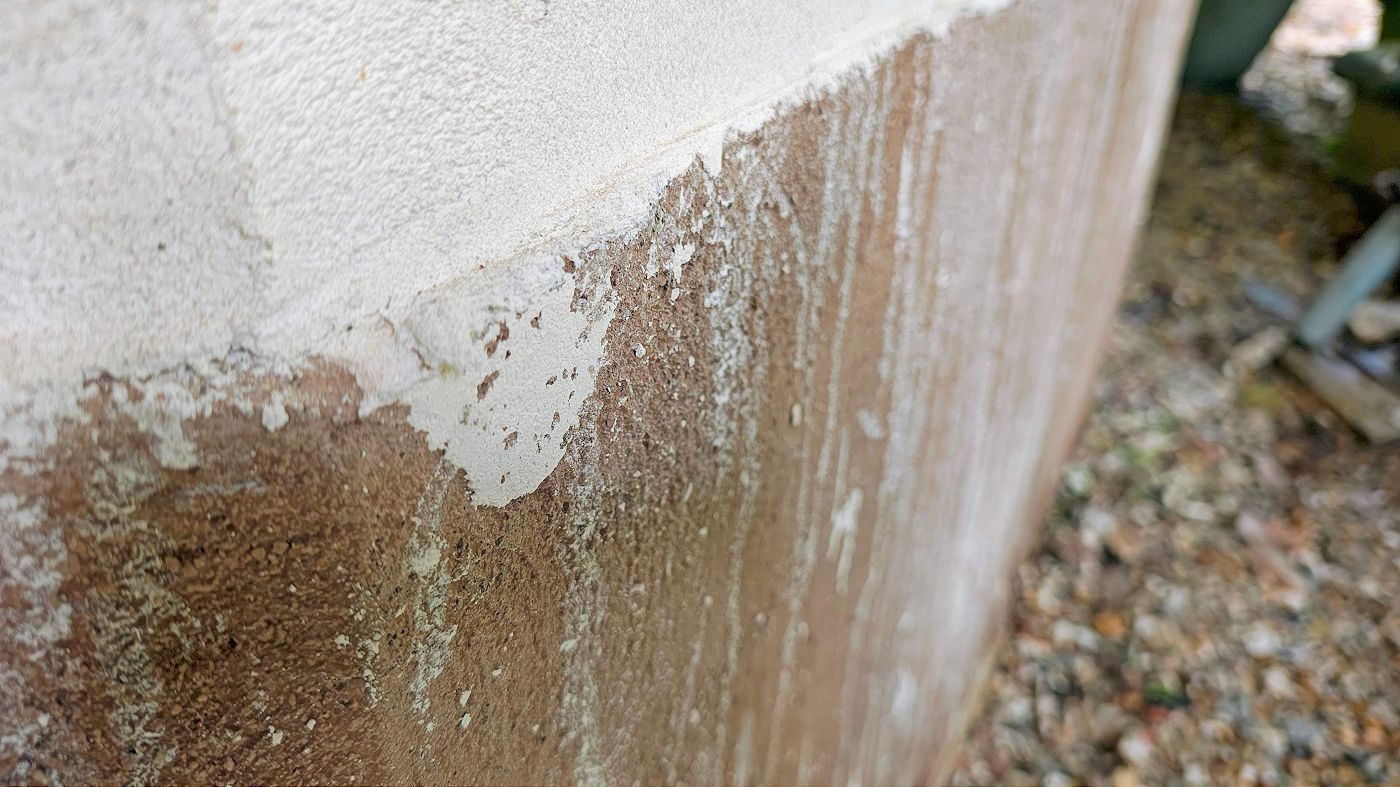
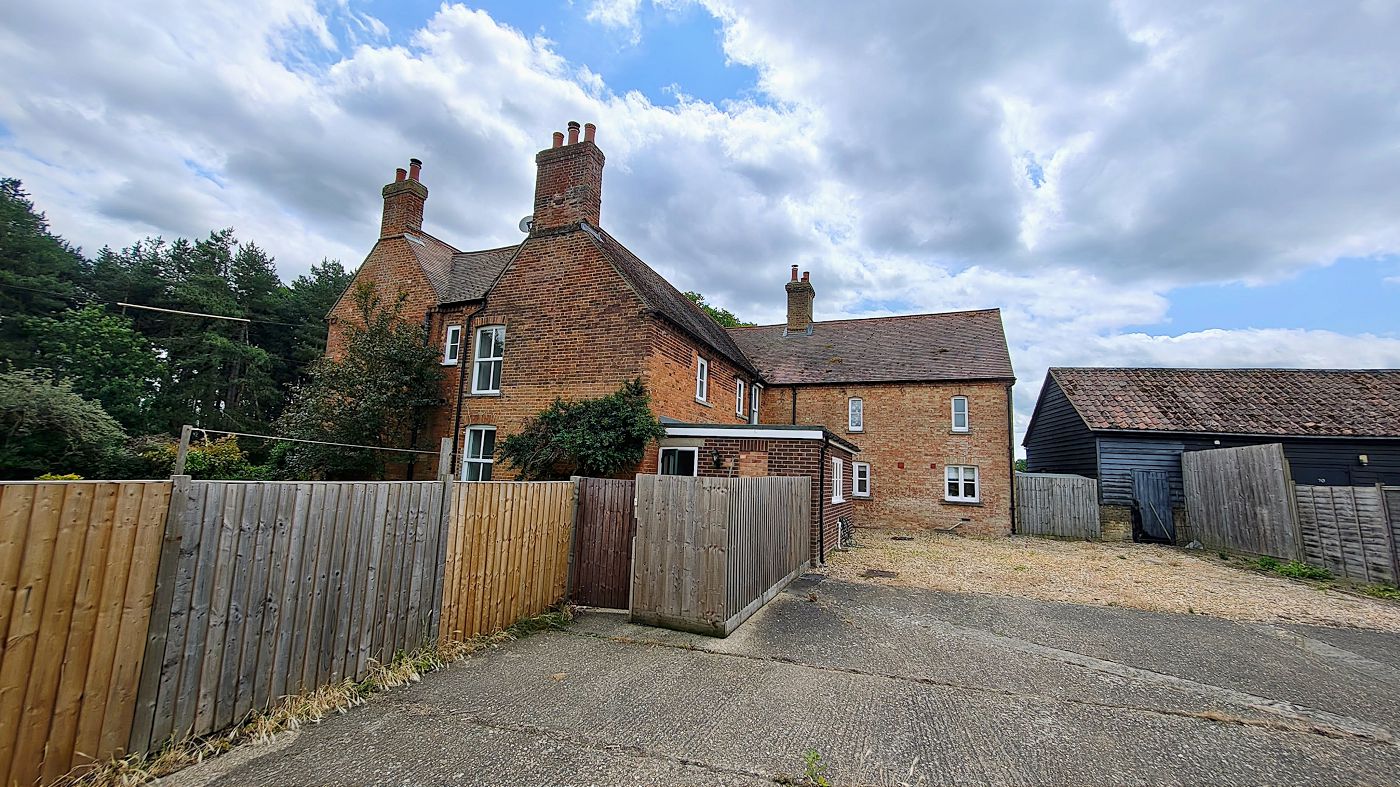
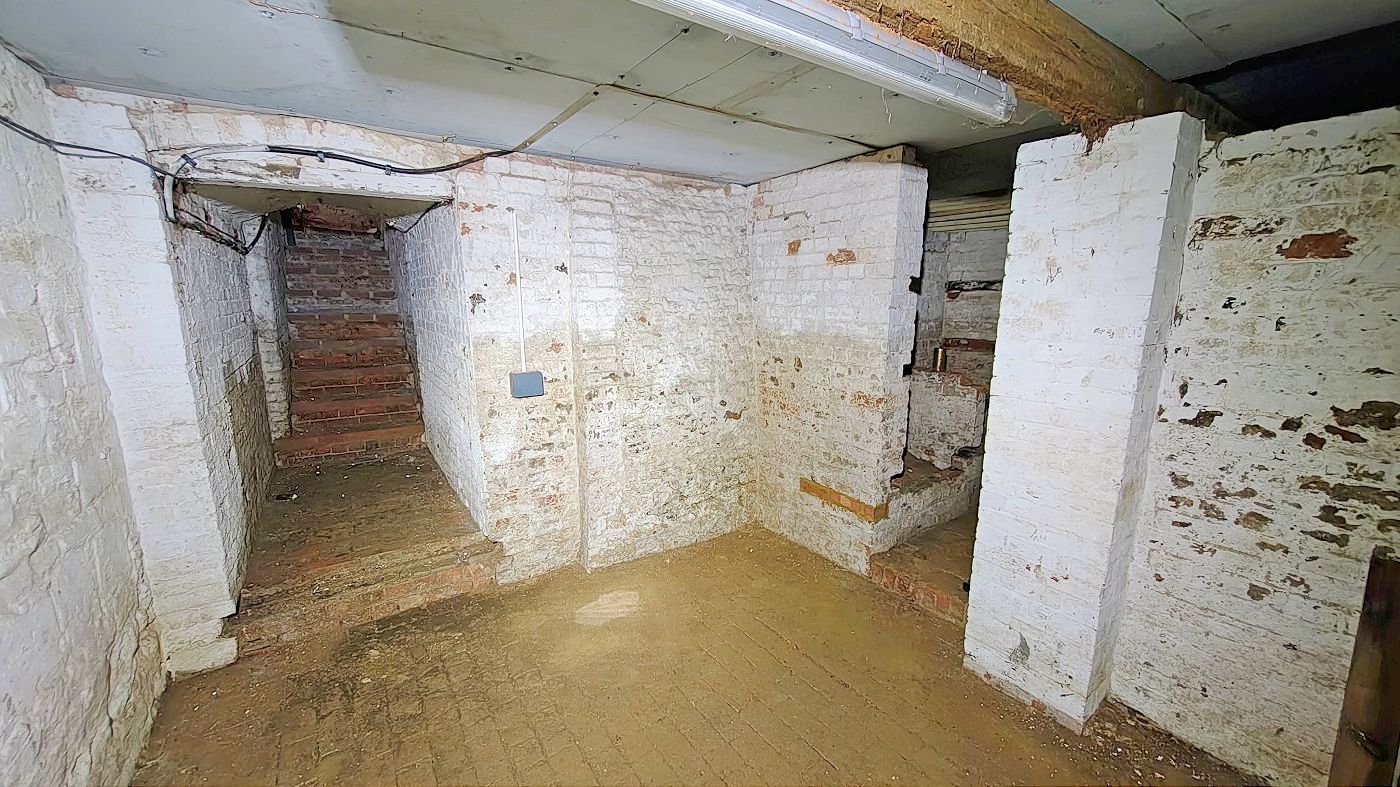
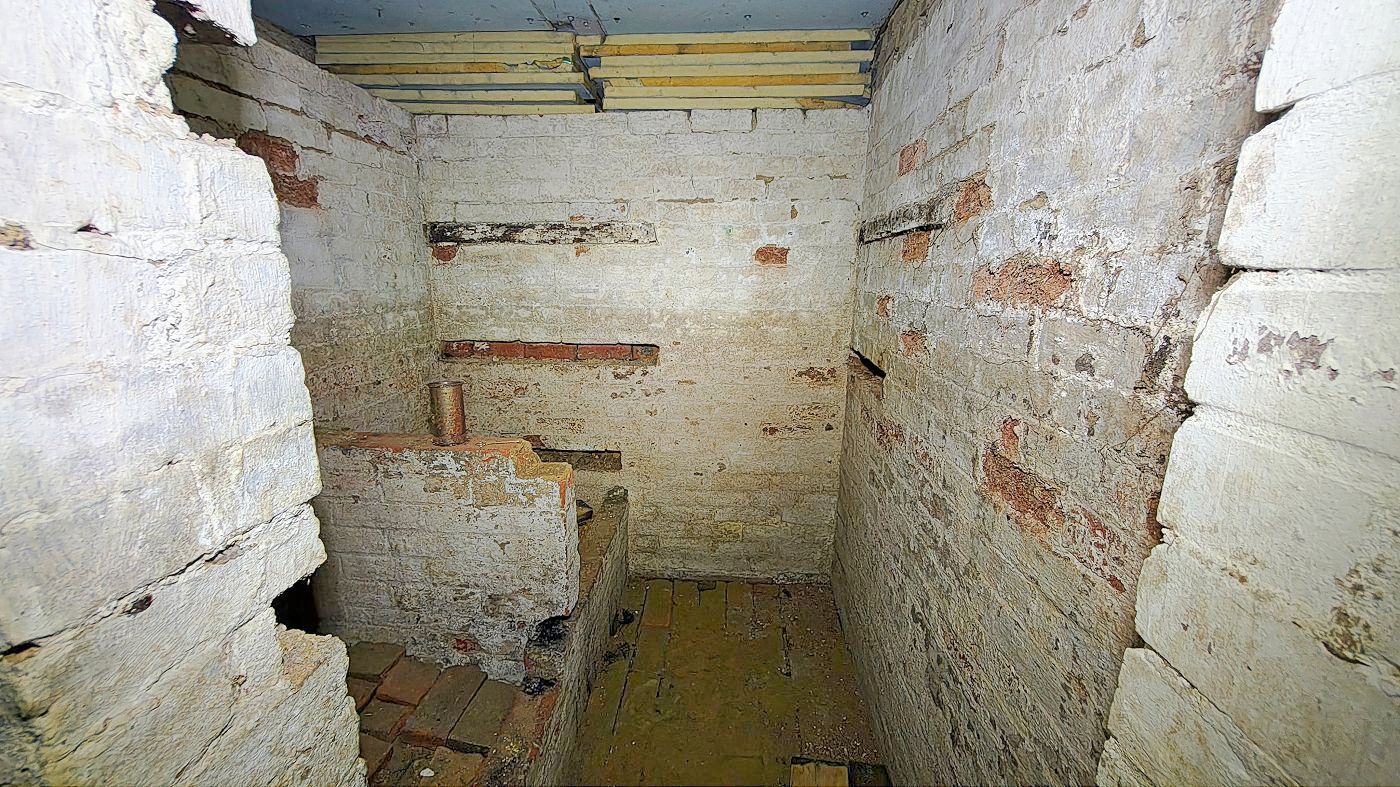
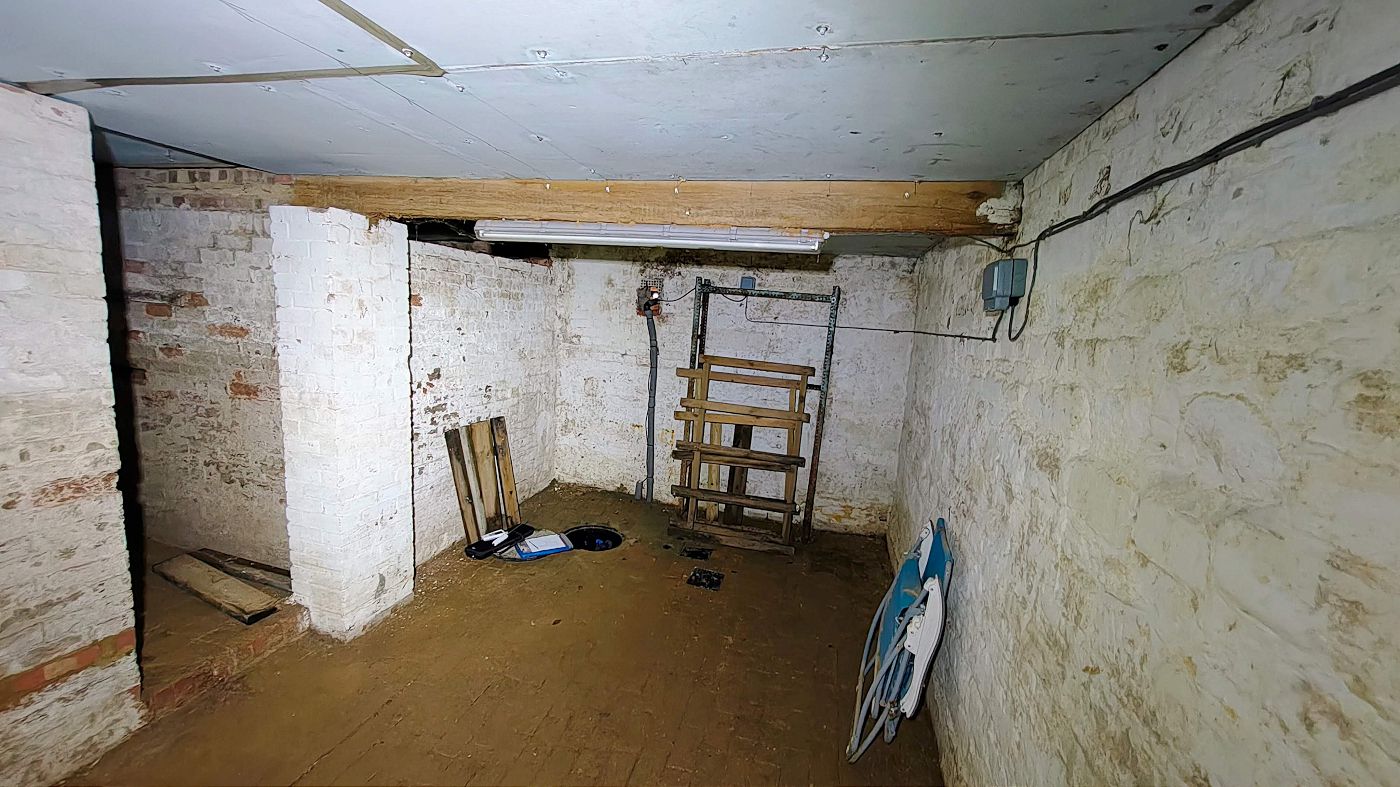
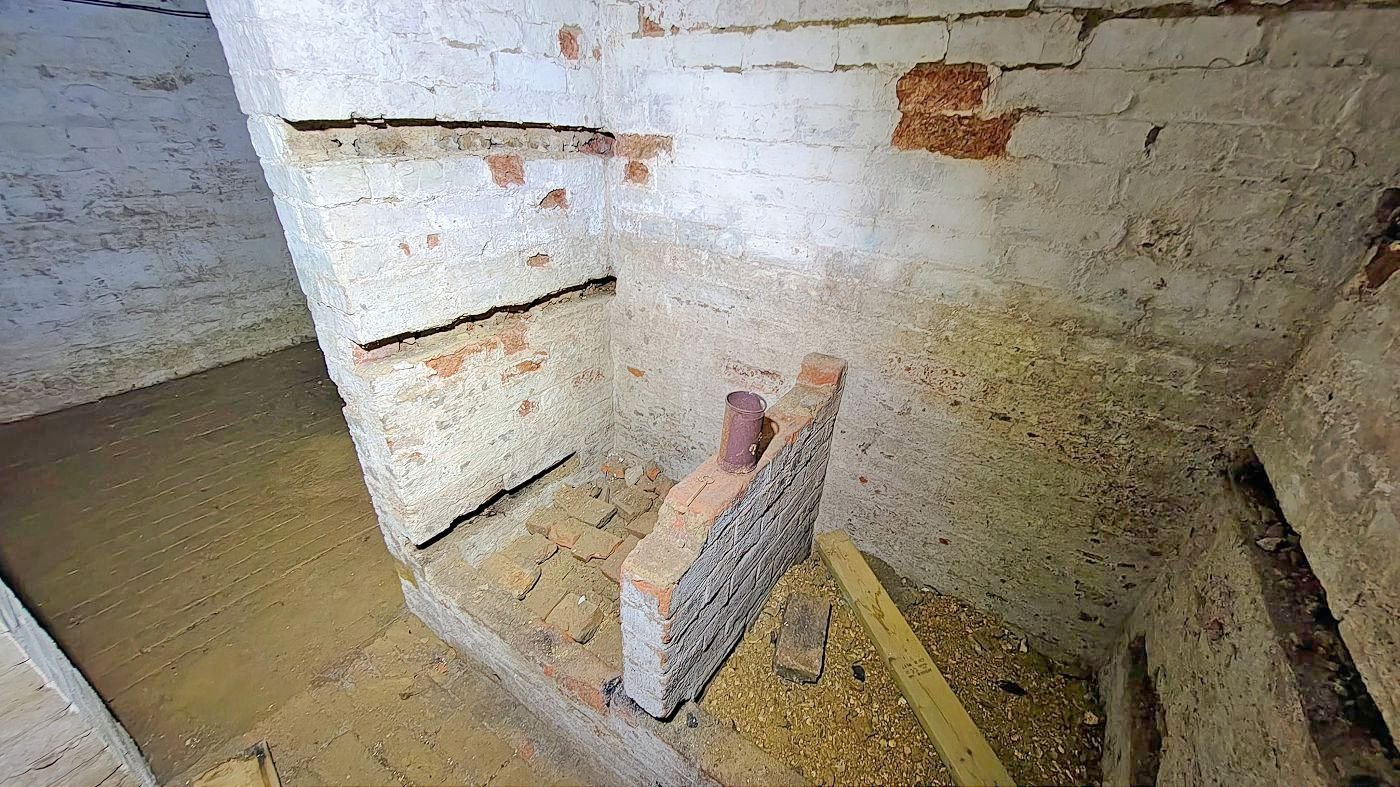
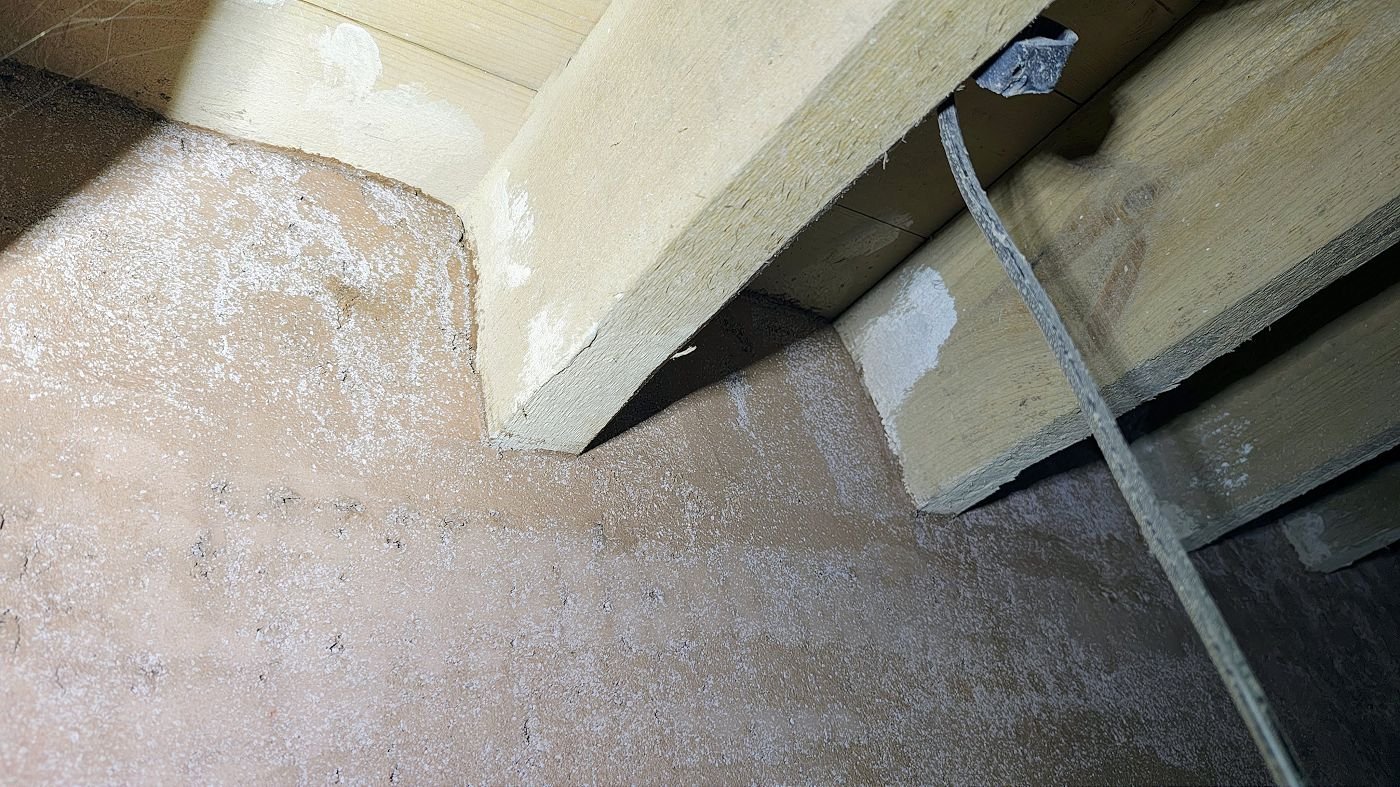
Flooding cellar

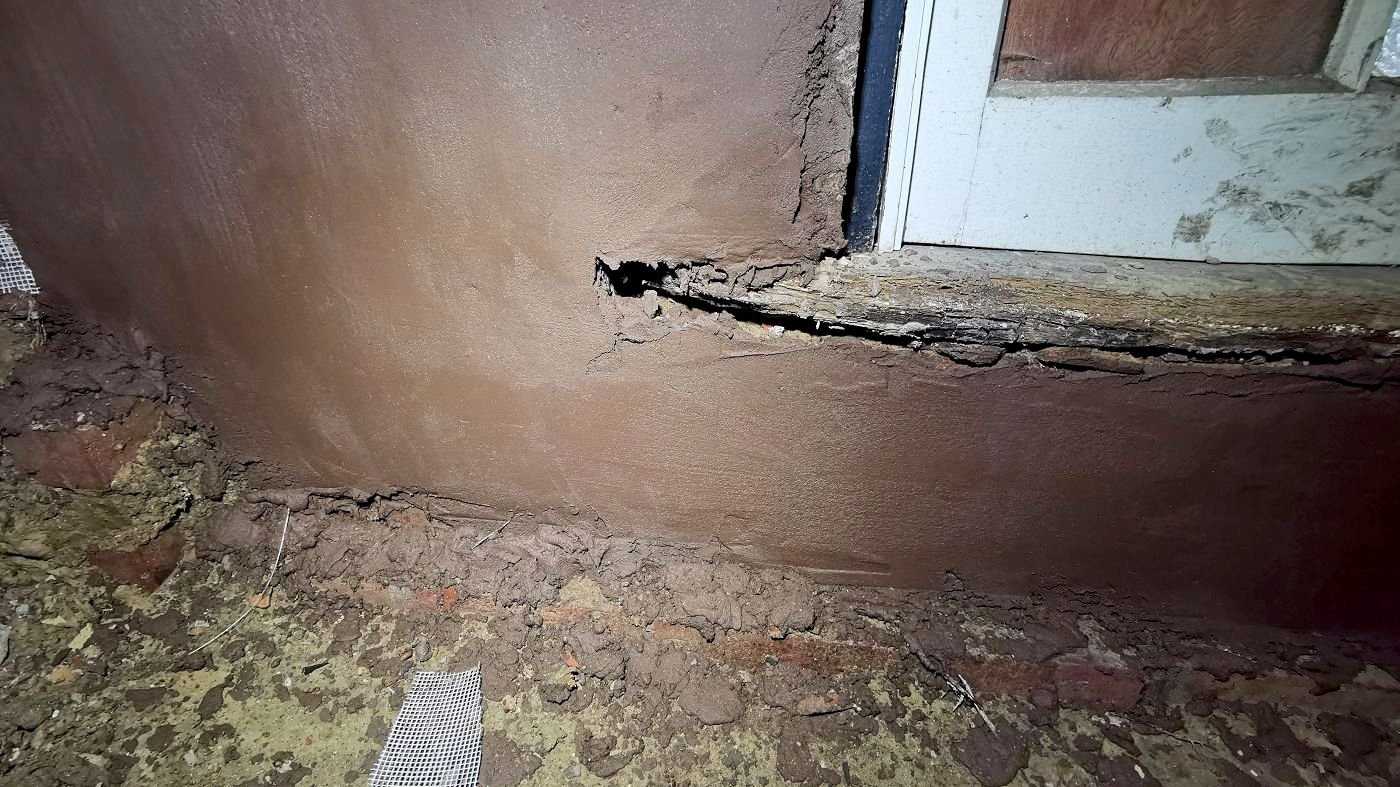
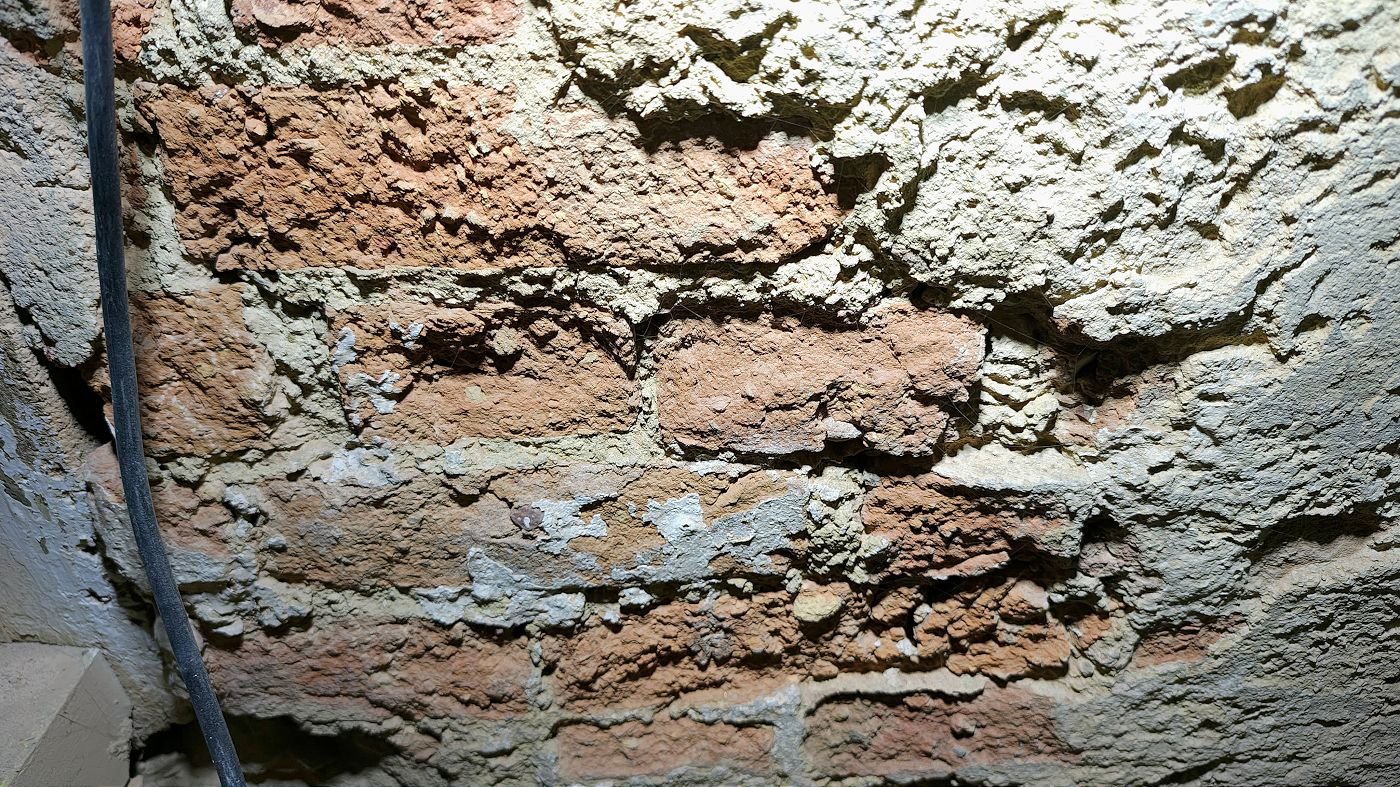
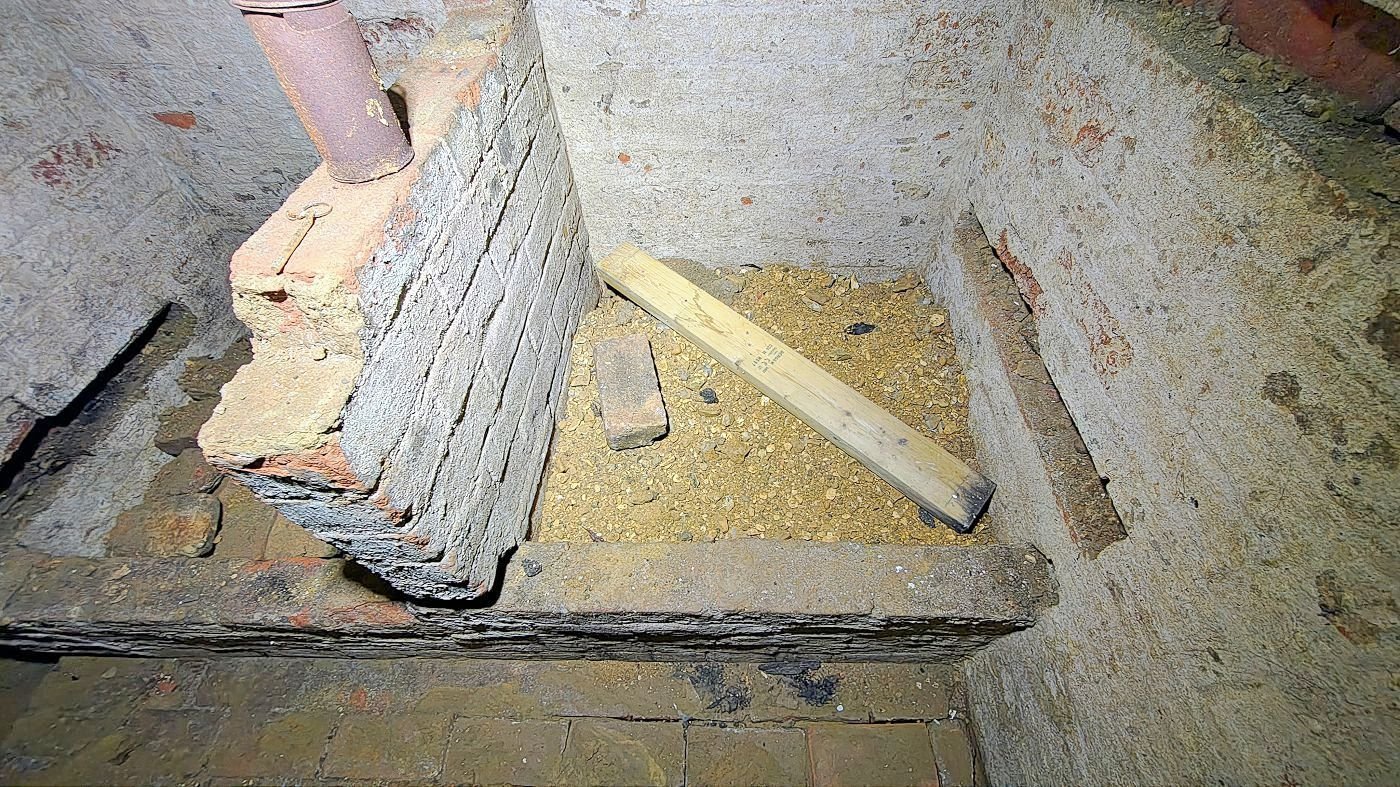
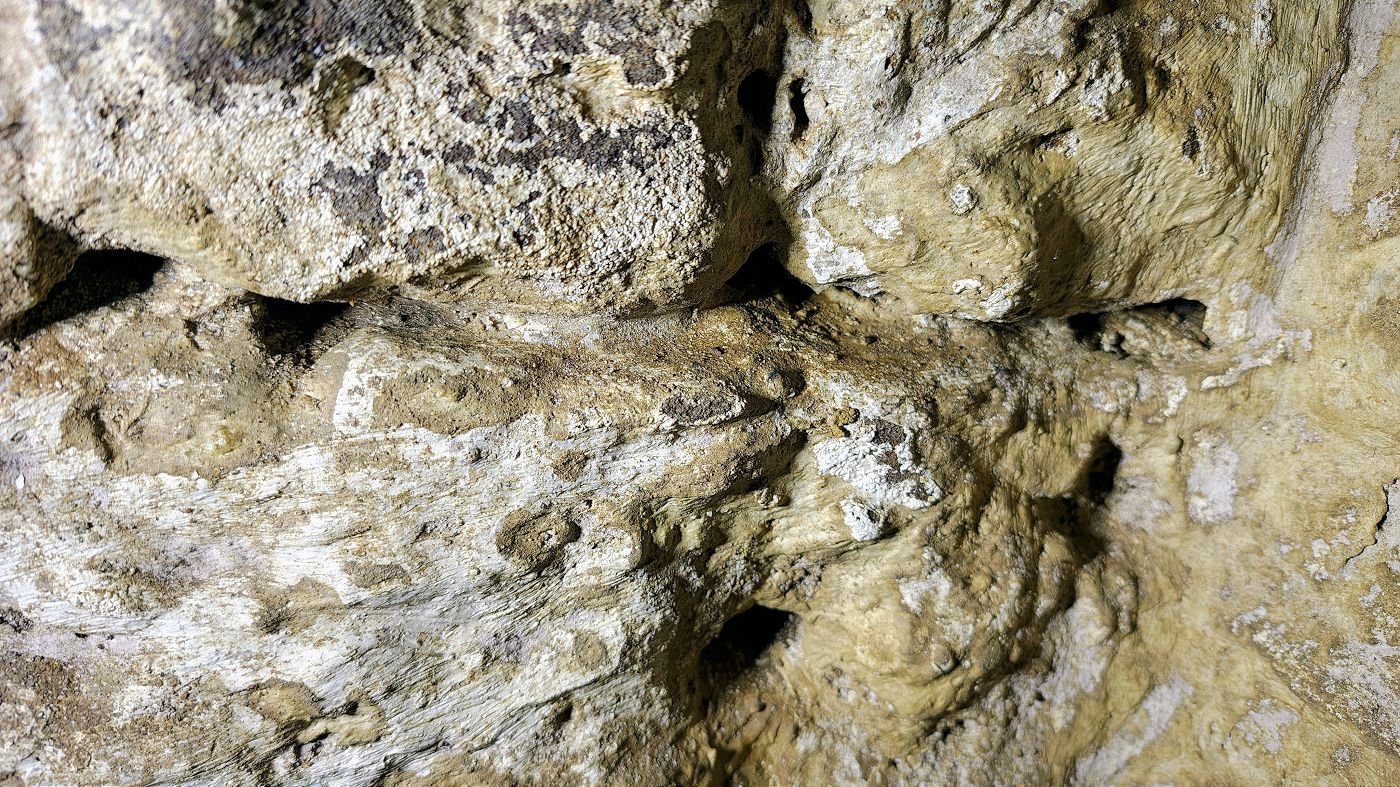
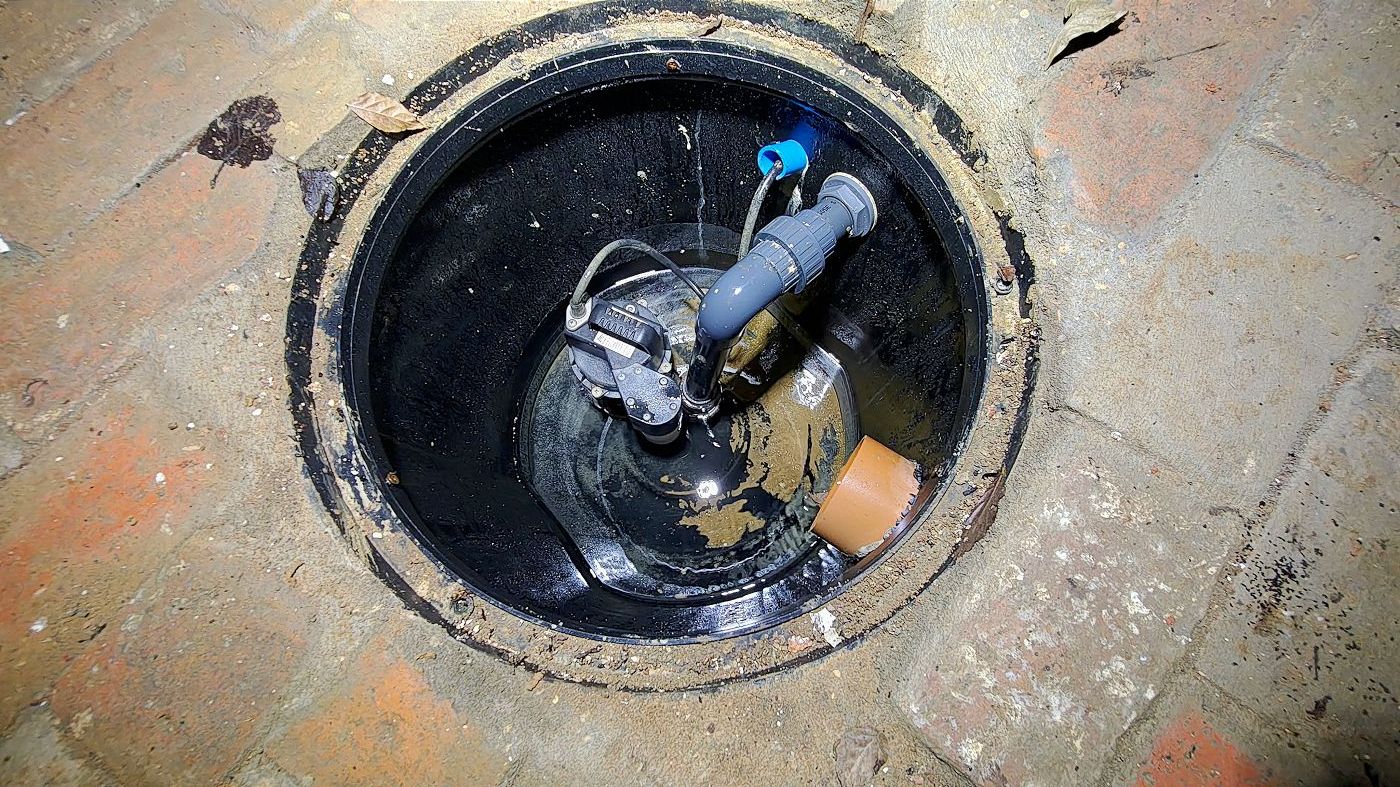
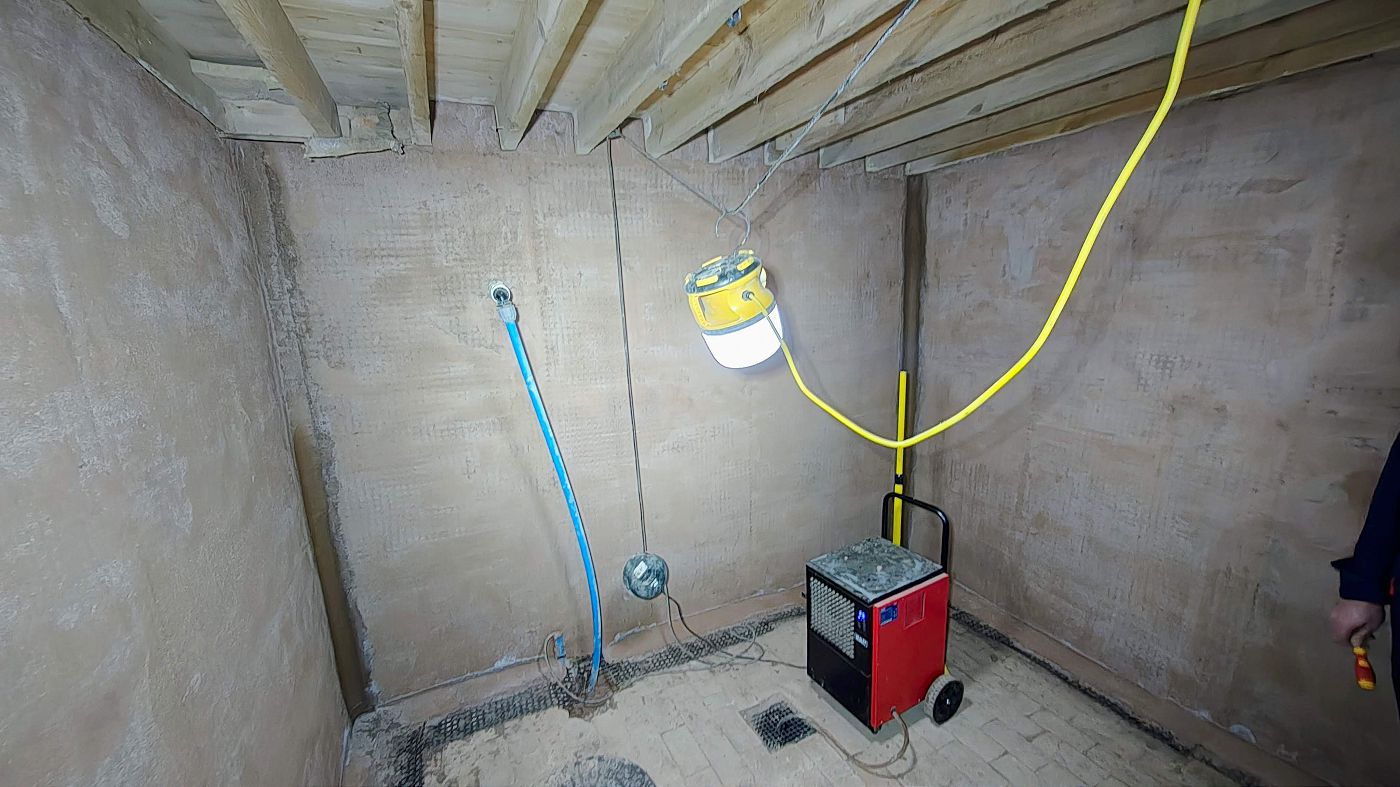
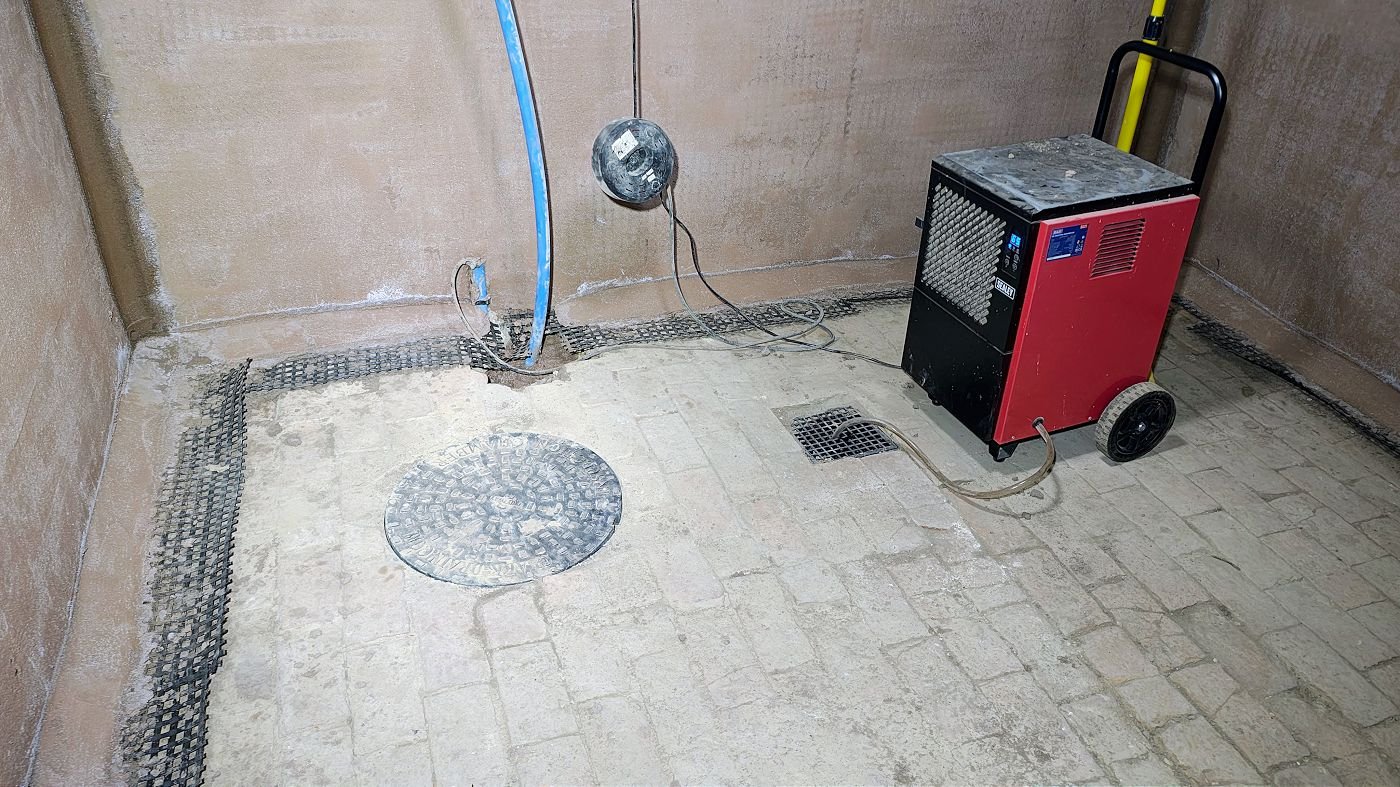
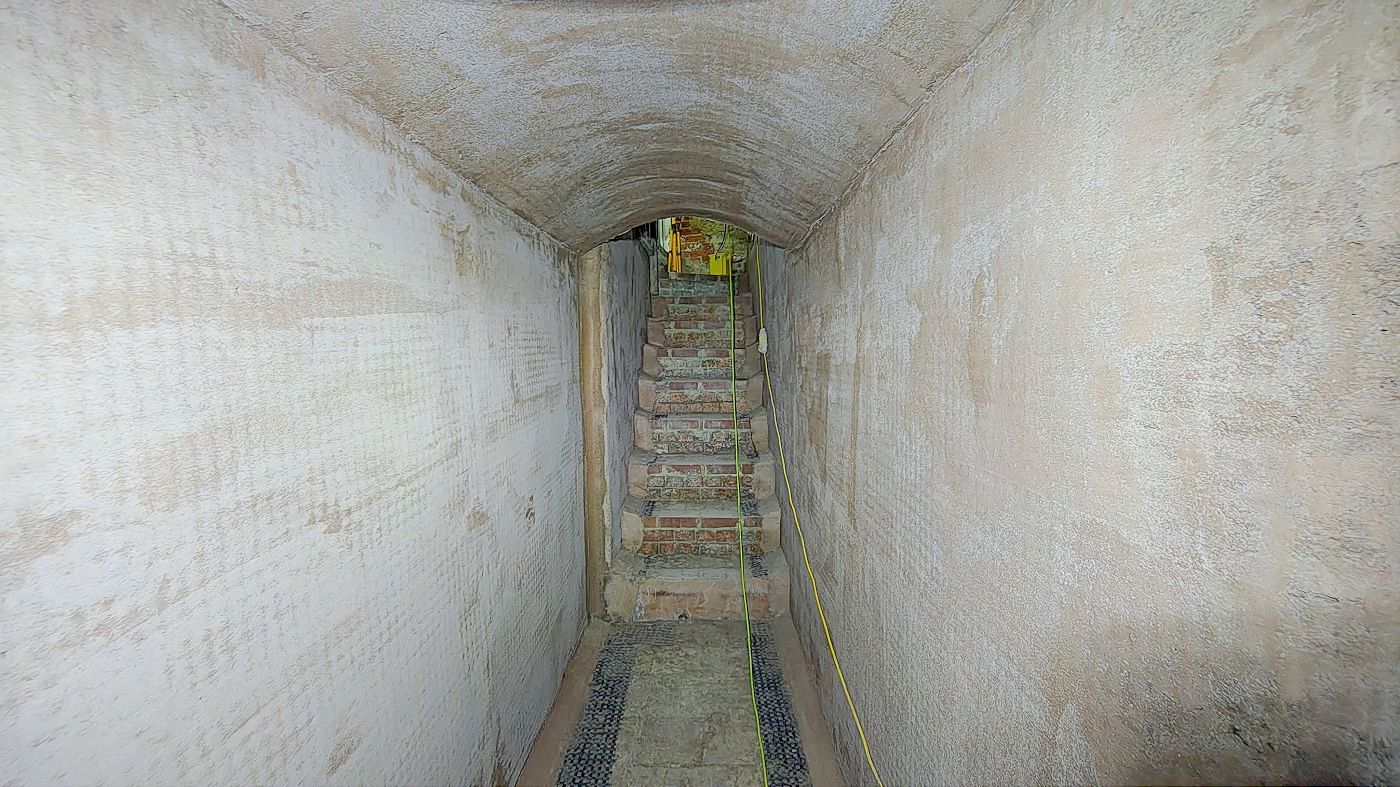
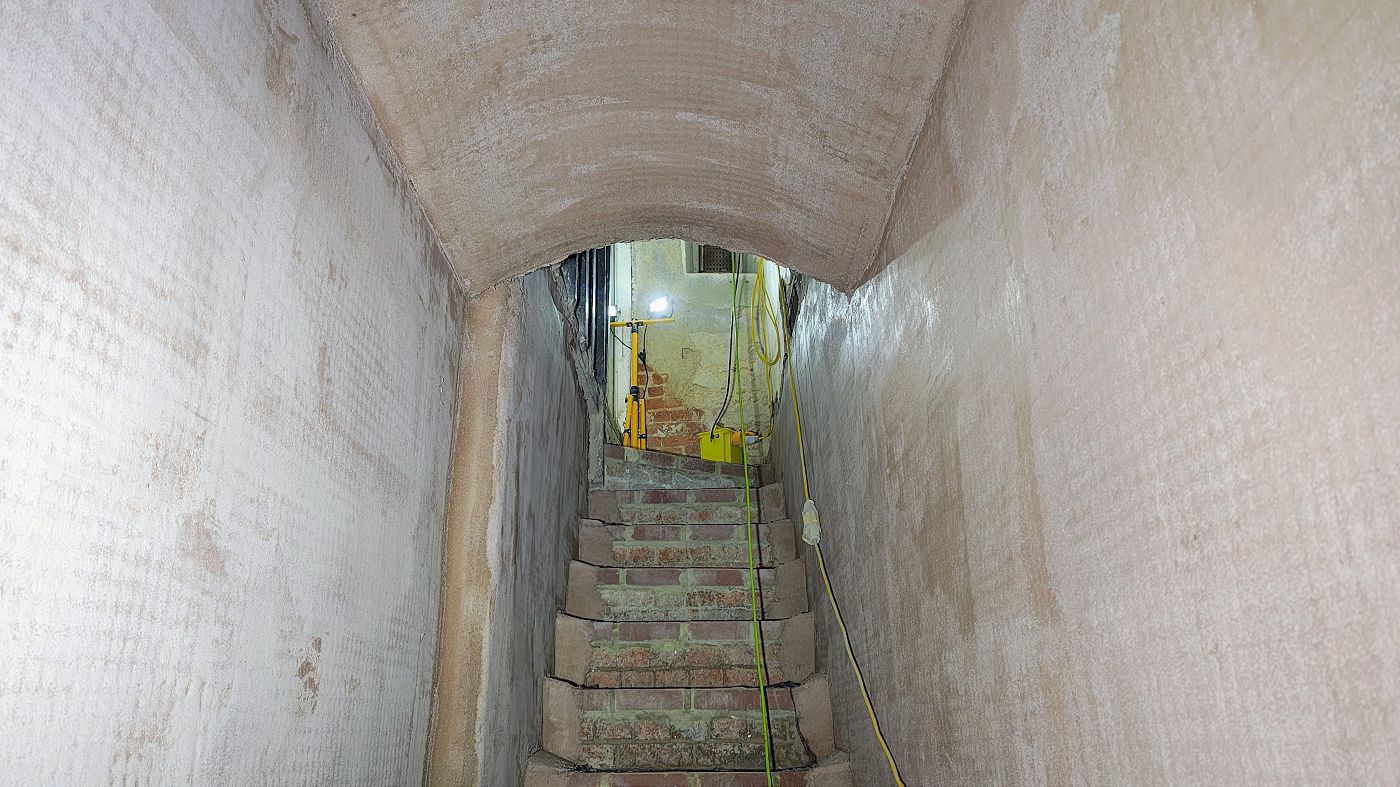
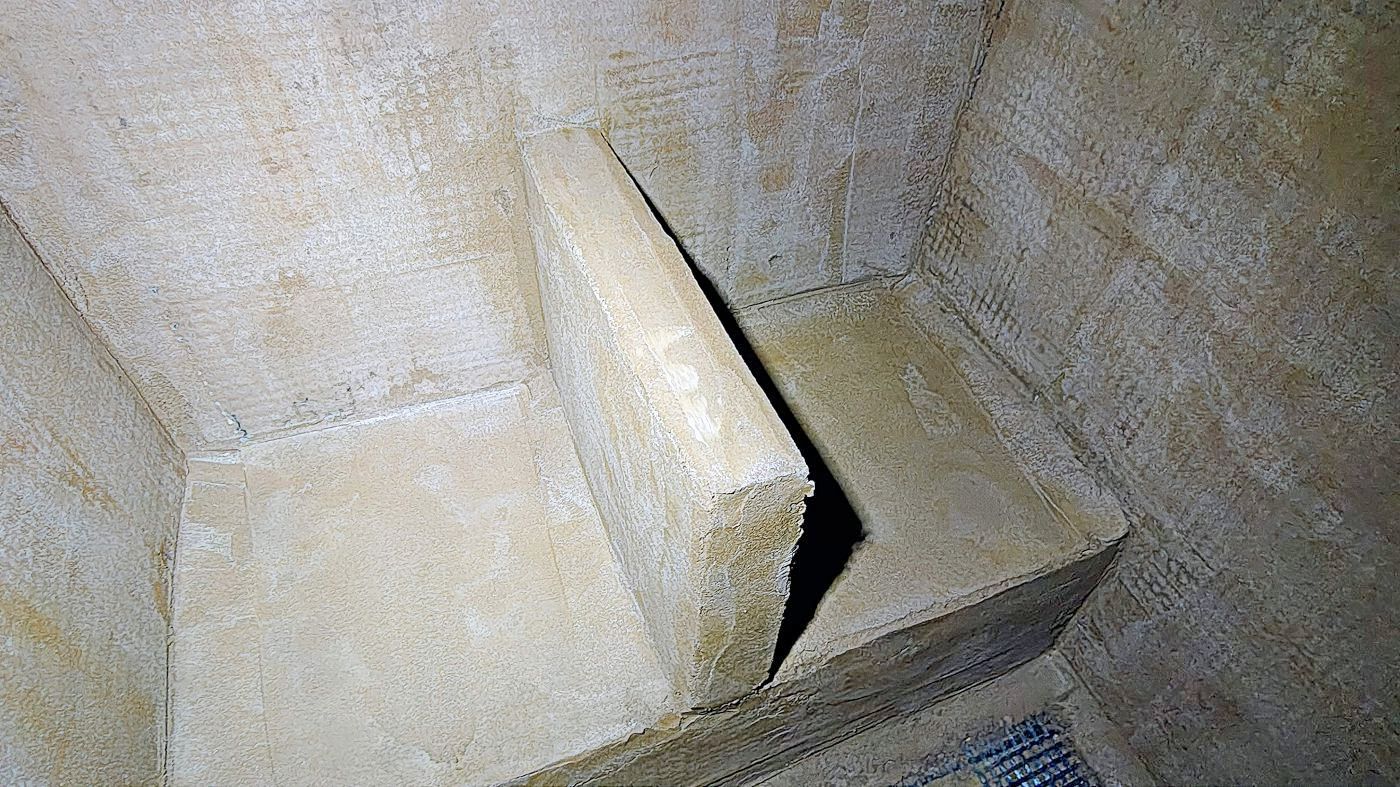
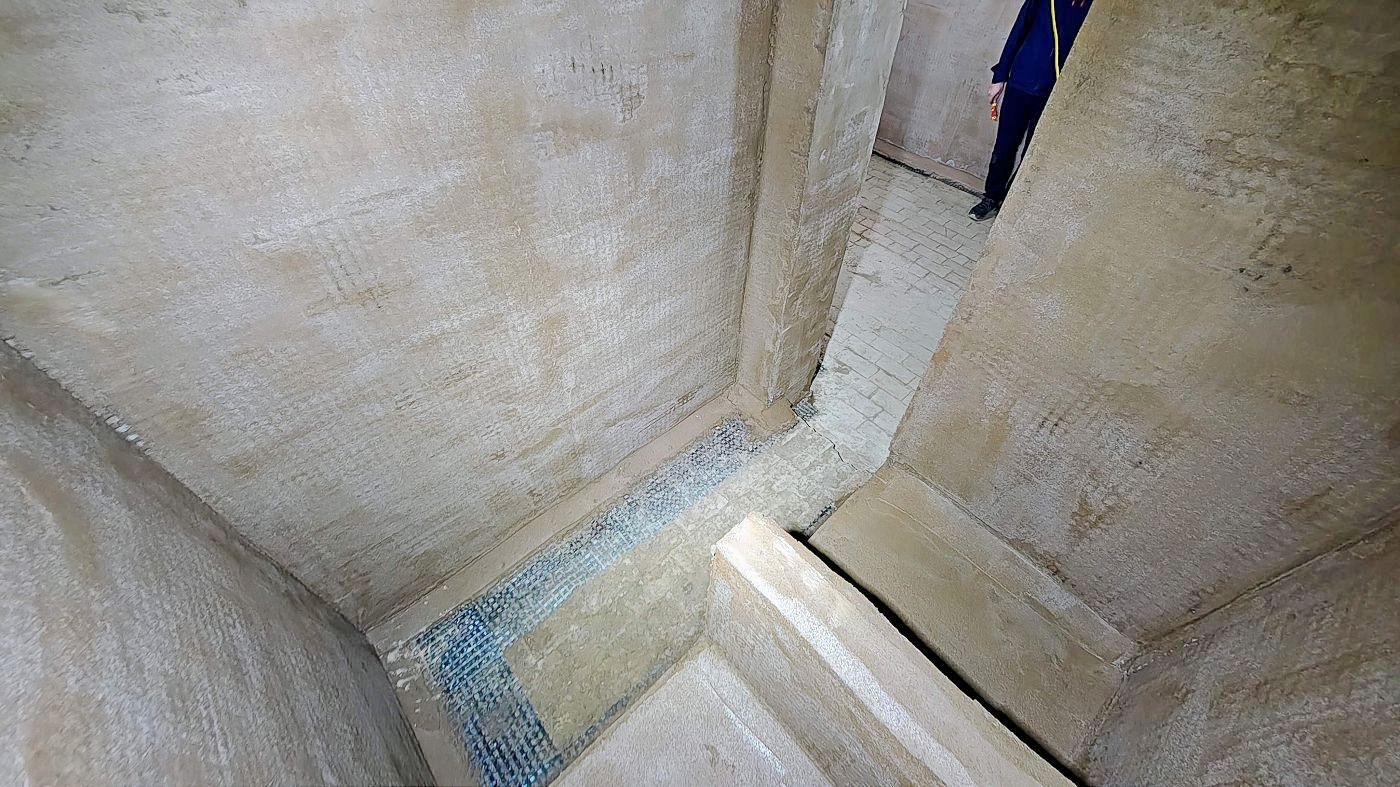
This old Victorian farm building sits in an area with an exceptionally high water table and, as a result, suffered regular winter flooding. Groundwater would rise into the cellar to a depth of approximately 1.2 metres, leaving the space submerged for much of the season. Despite the installation of a sump pump, the volume and persistence of incoming water proved too great to manage, and the cellar remained flooded throughout the winter months.

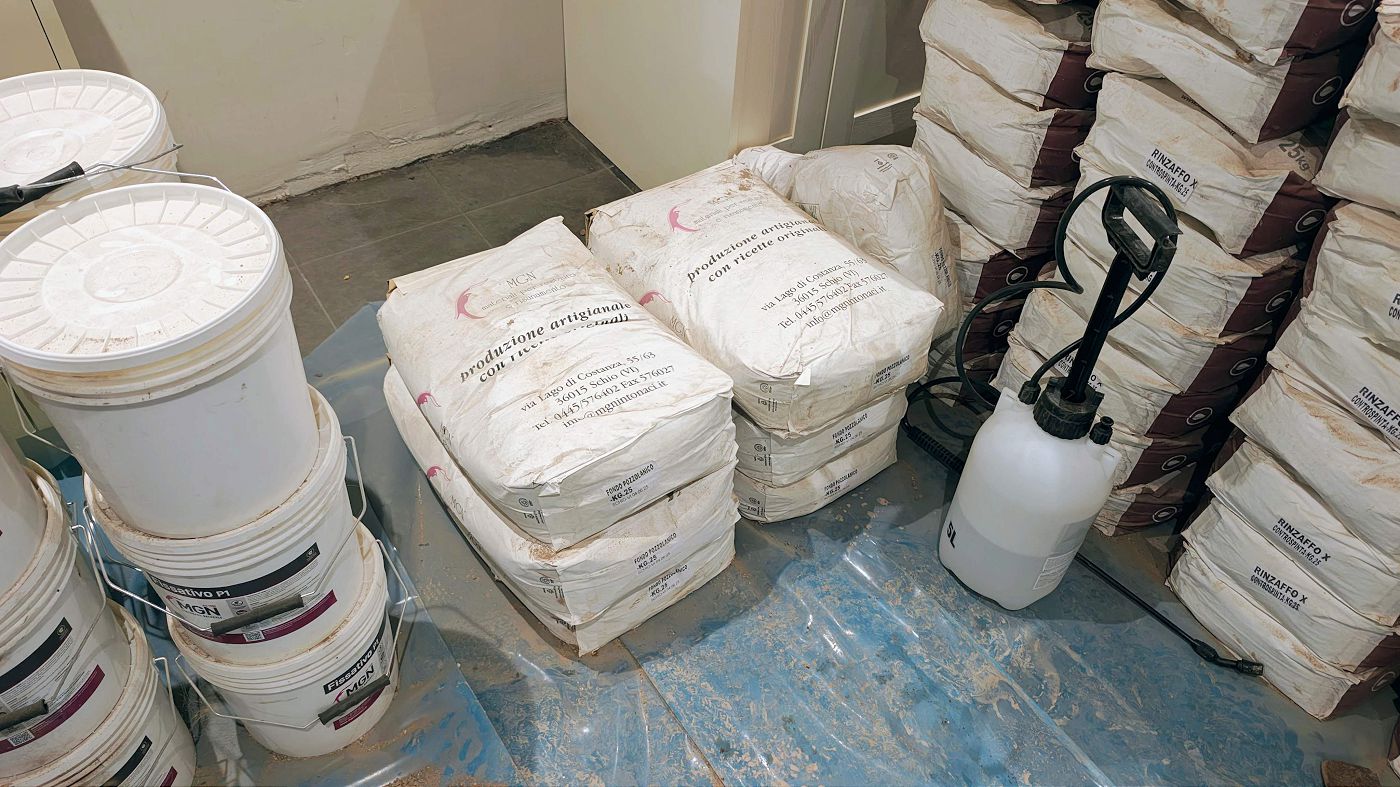
The issue was resolved using Rinzaffo MGN Roman waterproofing lime plaster, a relatively simple yet highly effective intervention. This heritage-friendly system provides a complete barrier against liquid water while still allowing the wall fabric to breathe, making it particularly well suited to historic buildings. The result is a dry, stable cellar achieved without compromising the long-term health of the original masonry.
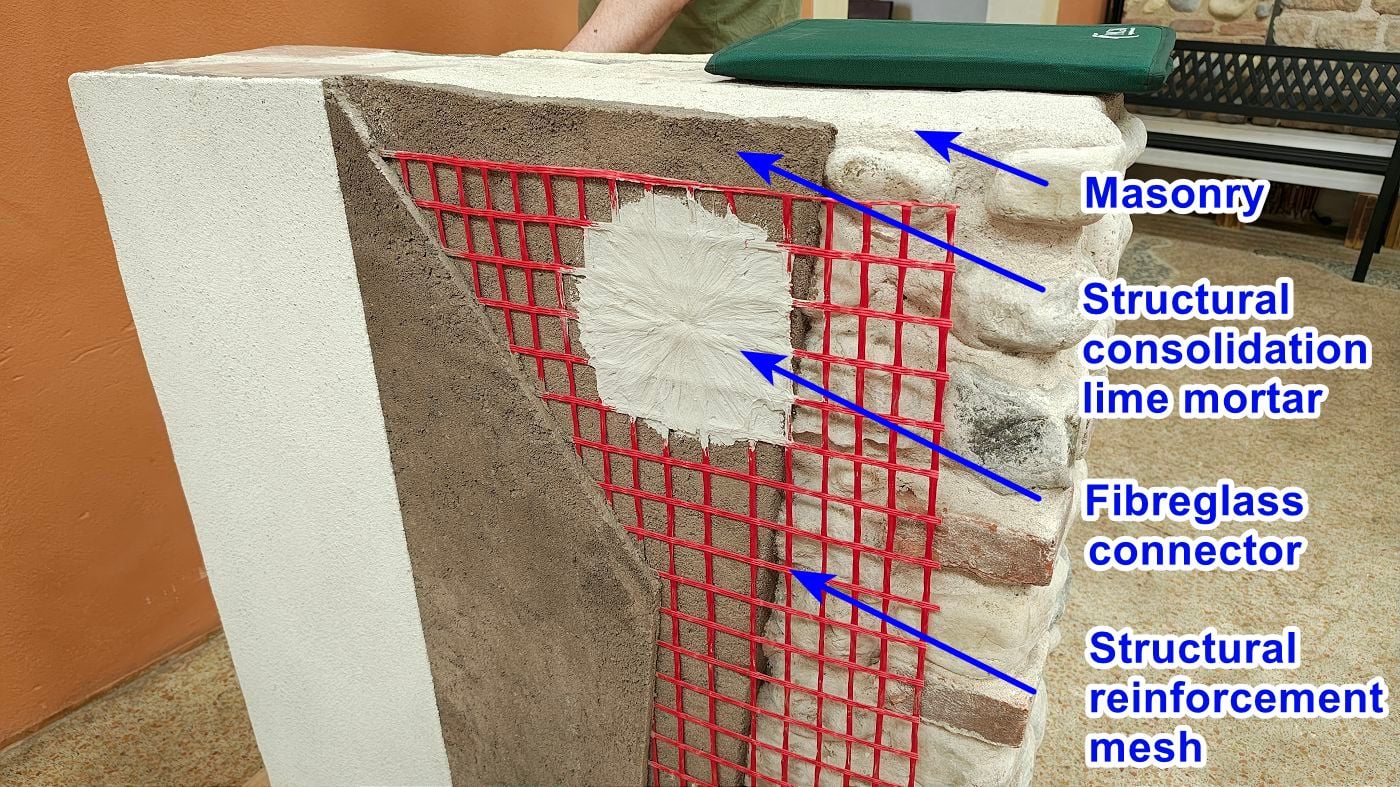
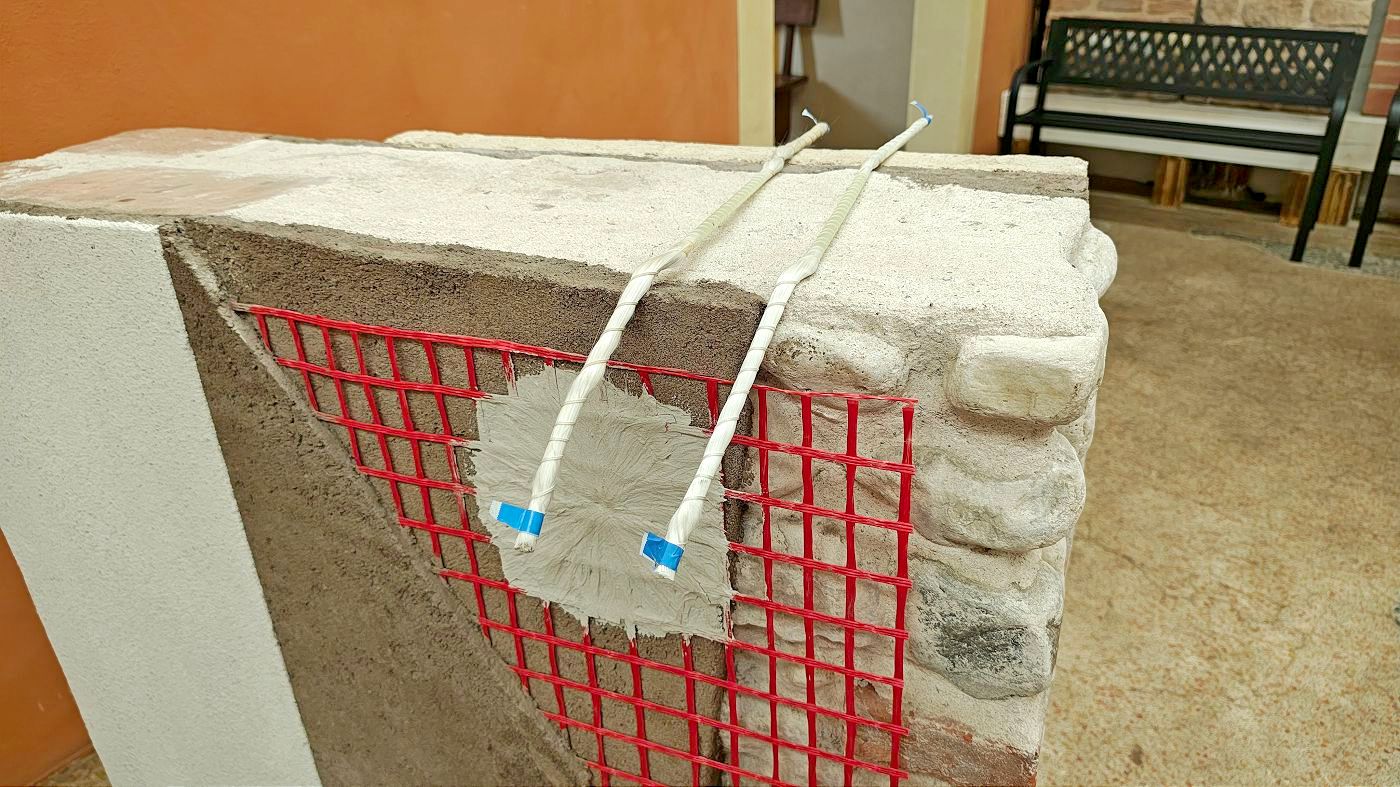
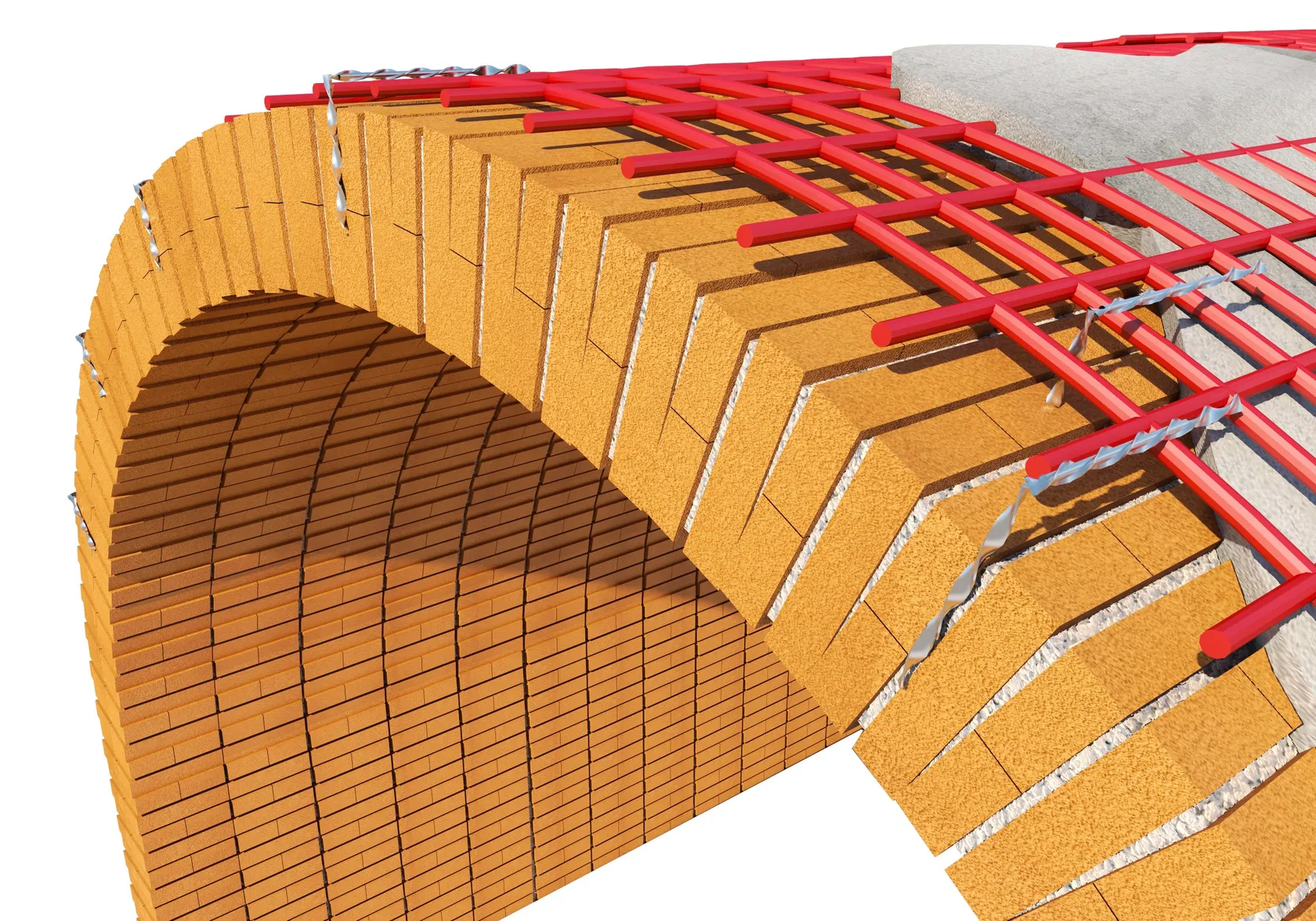
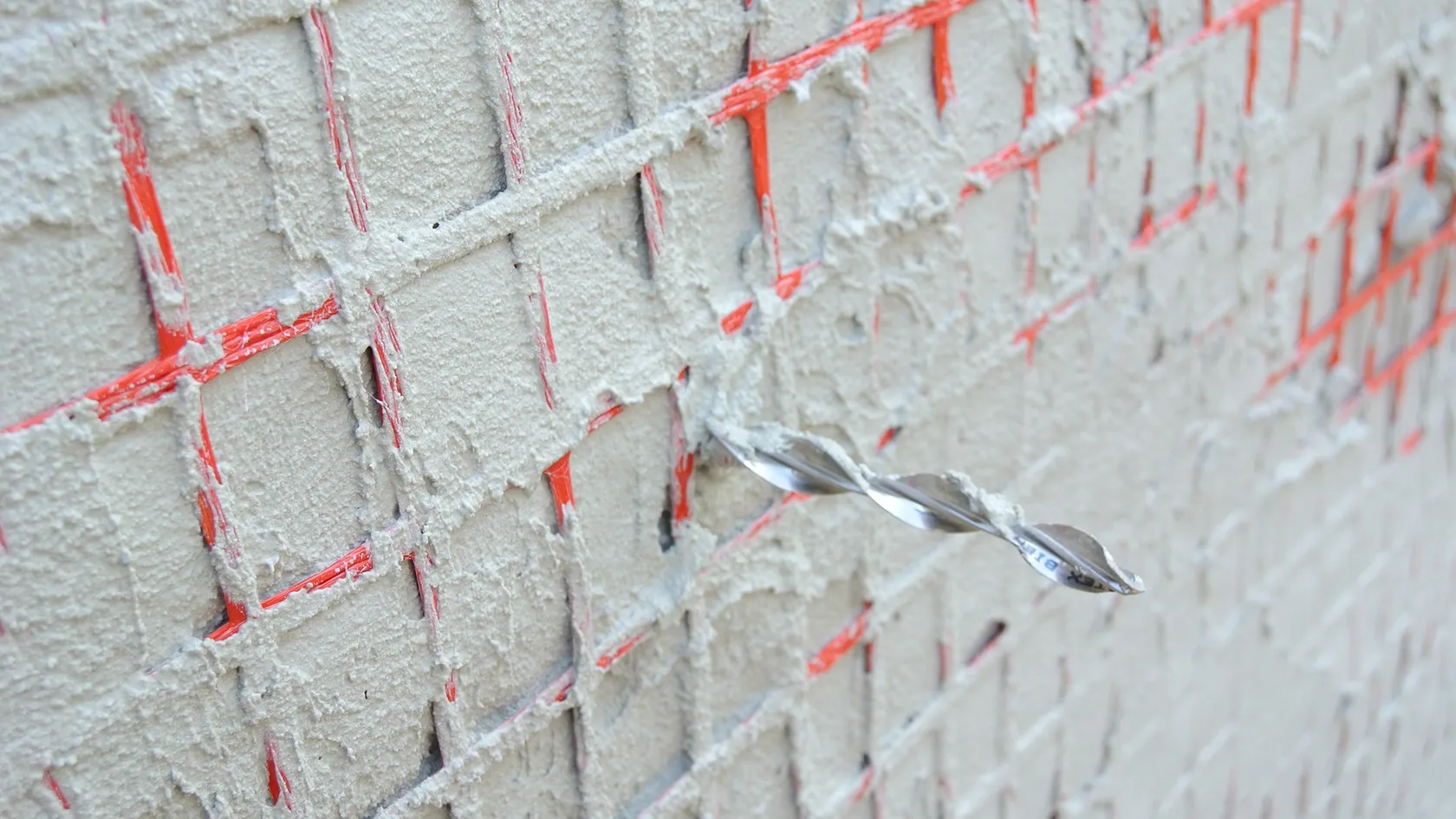
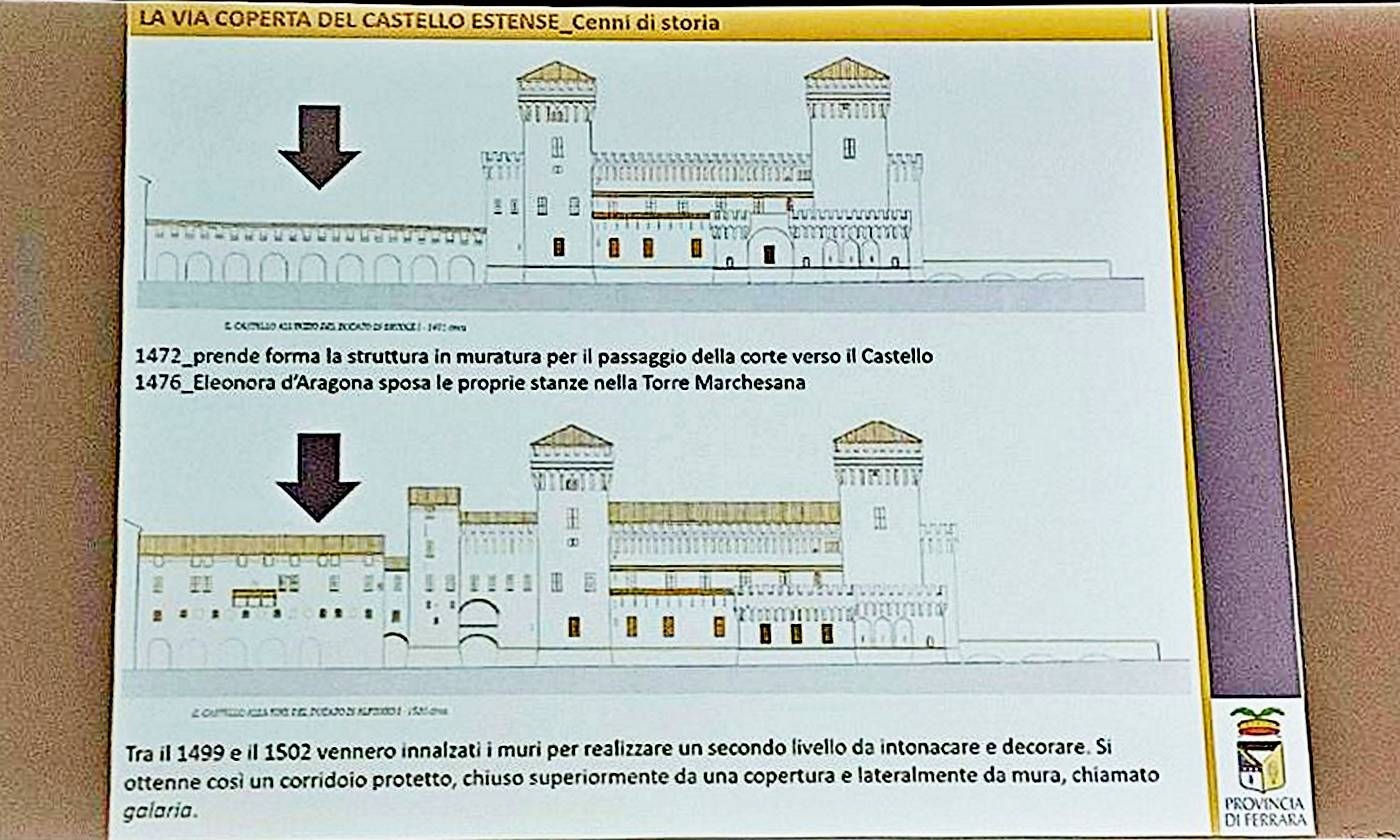
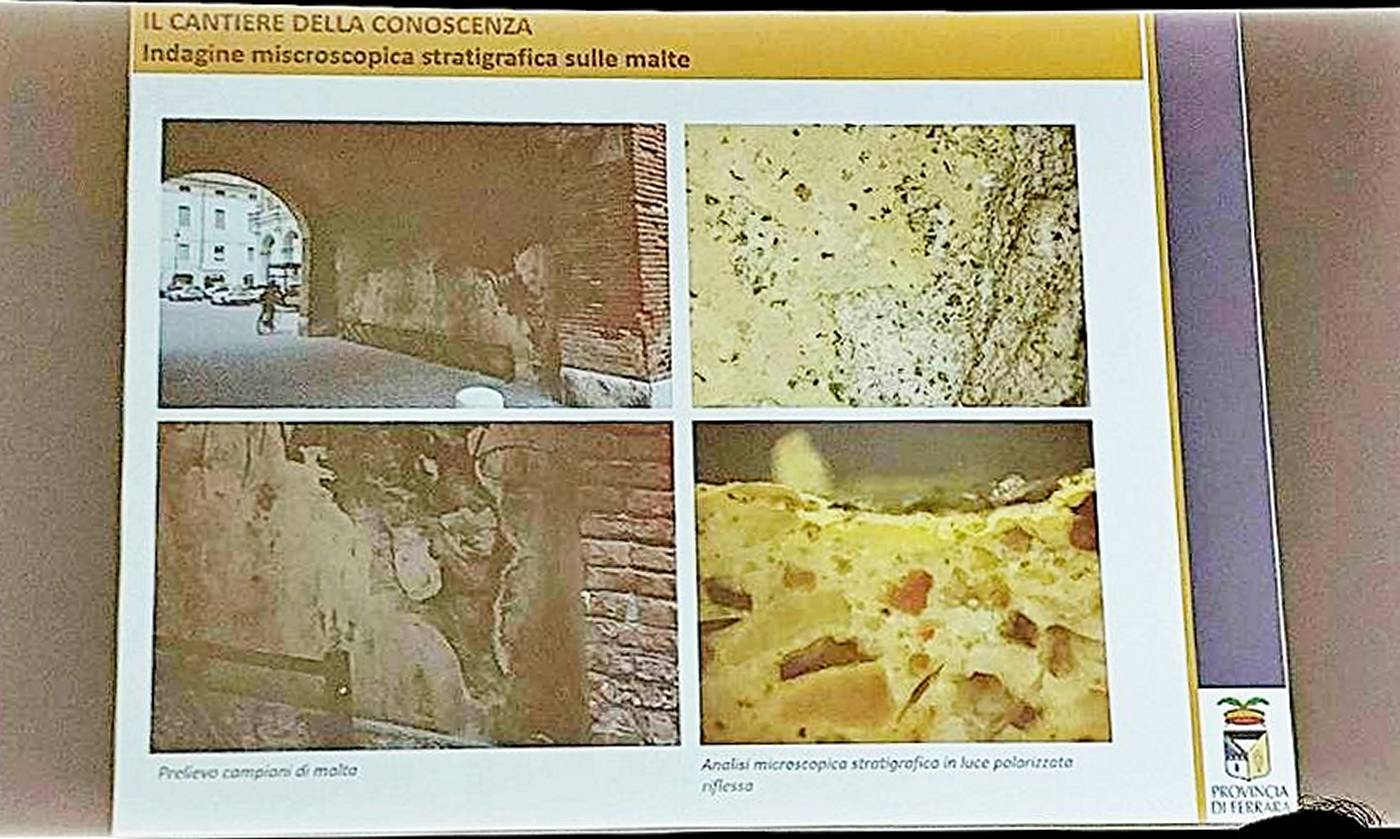
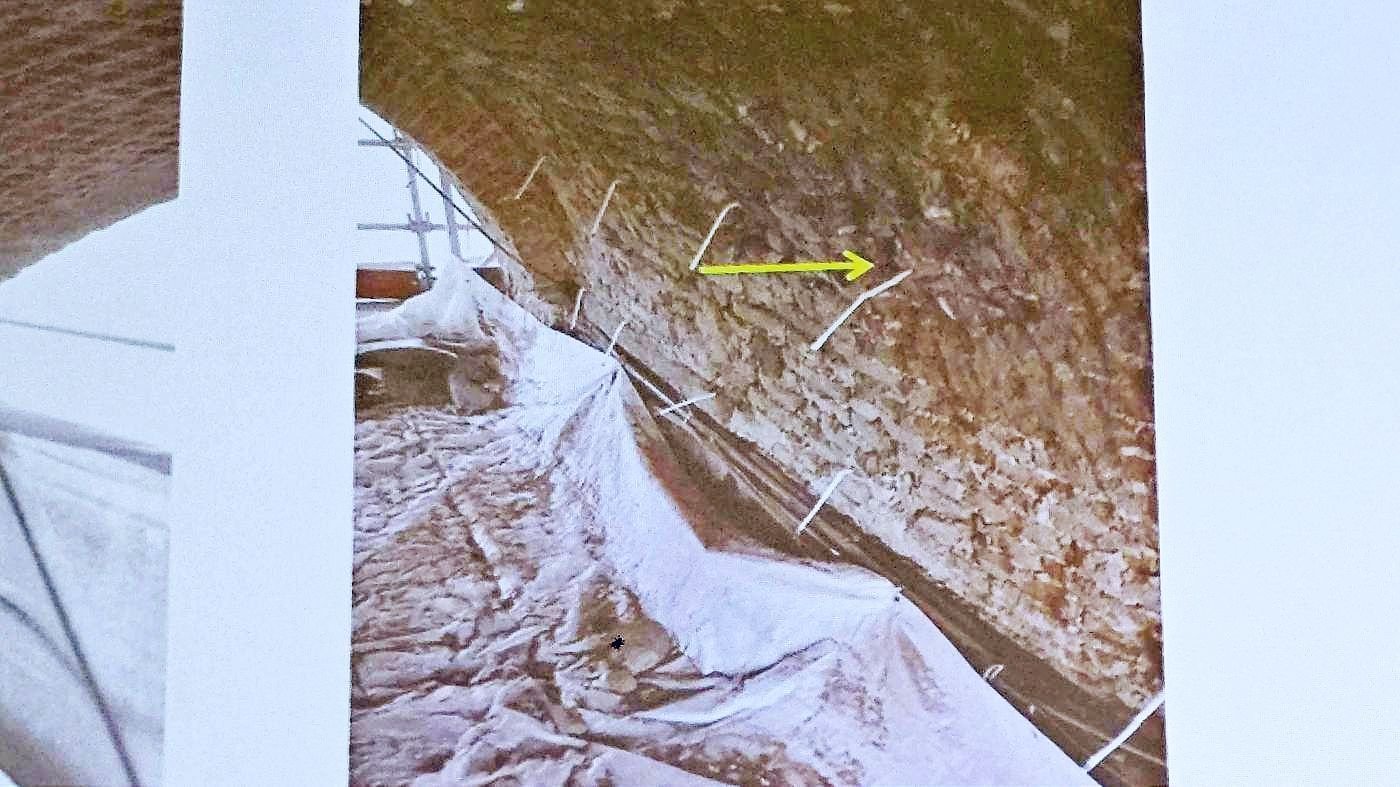
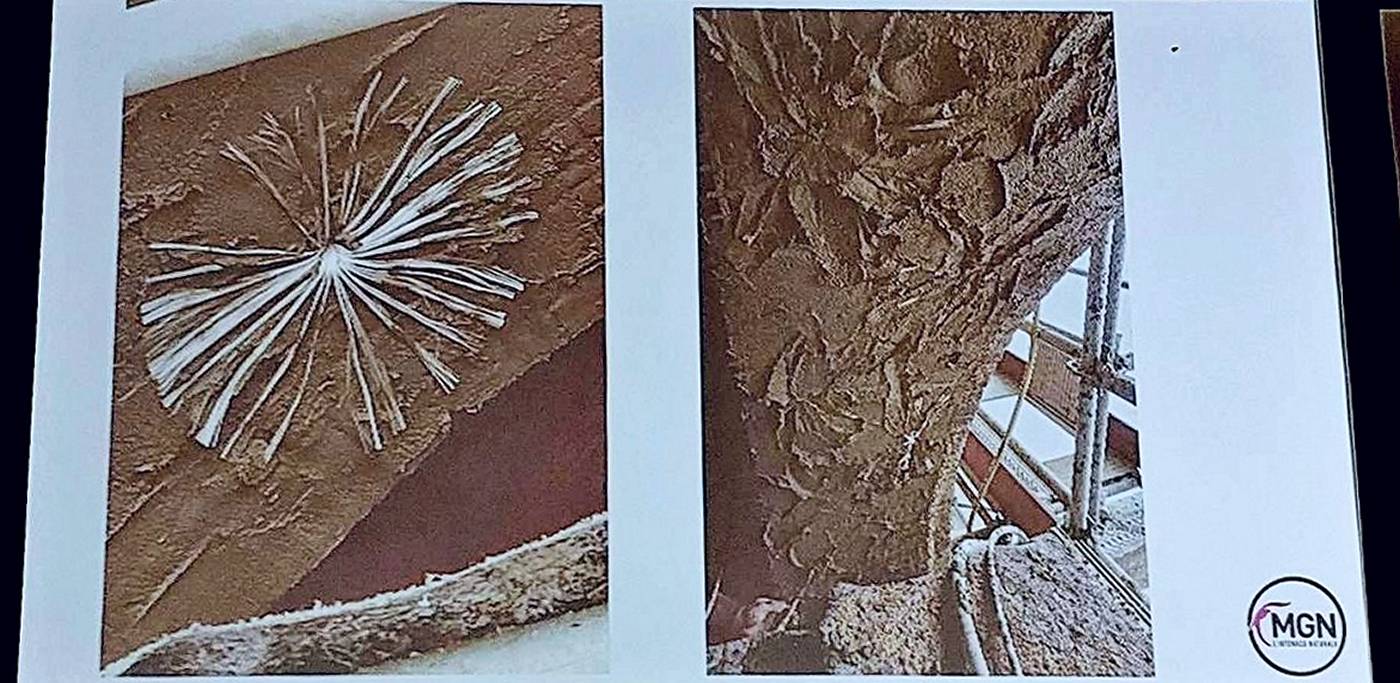
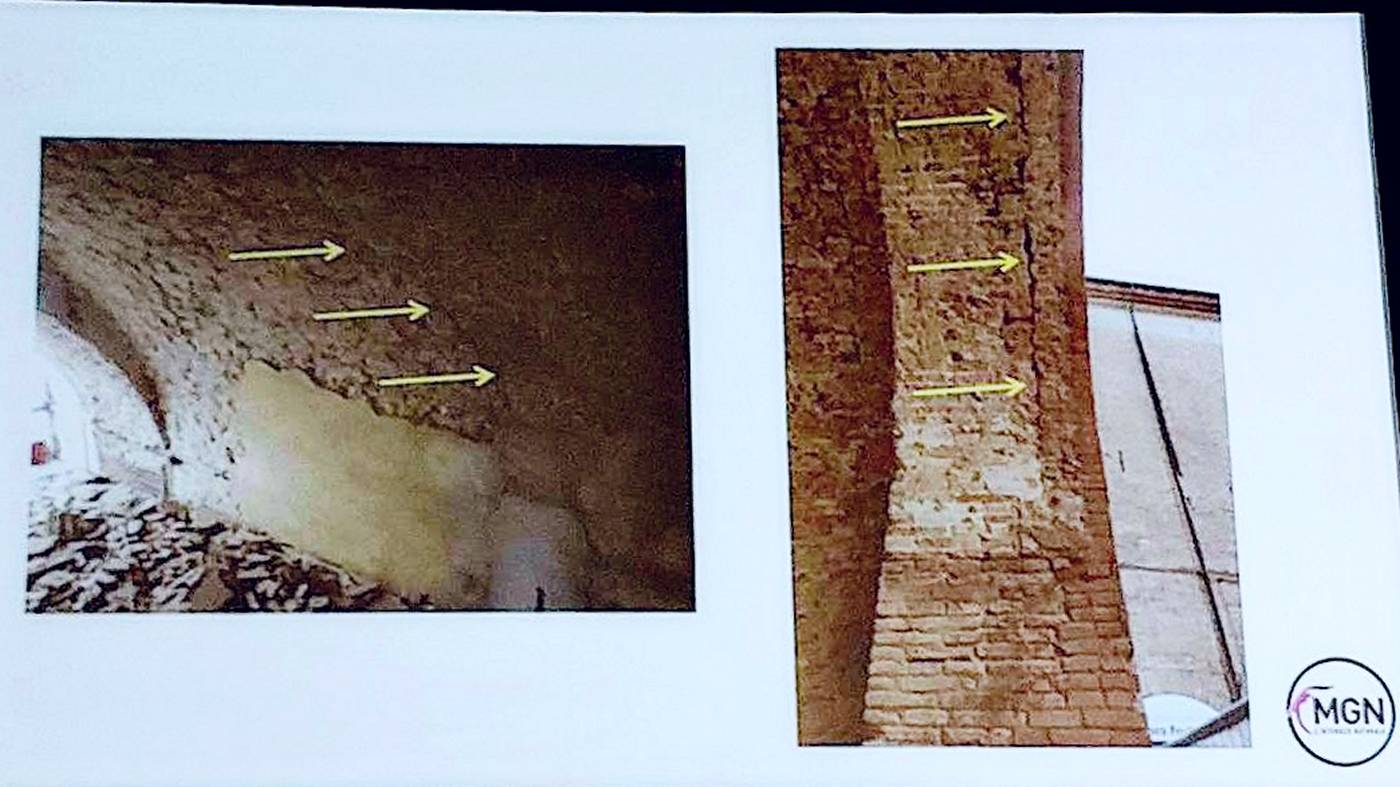
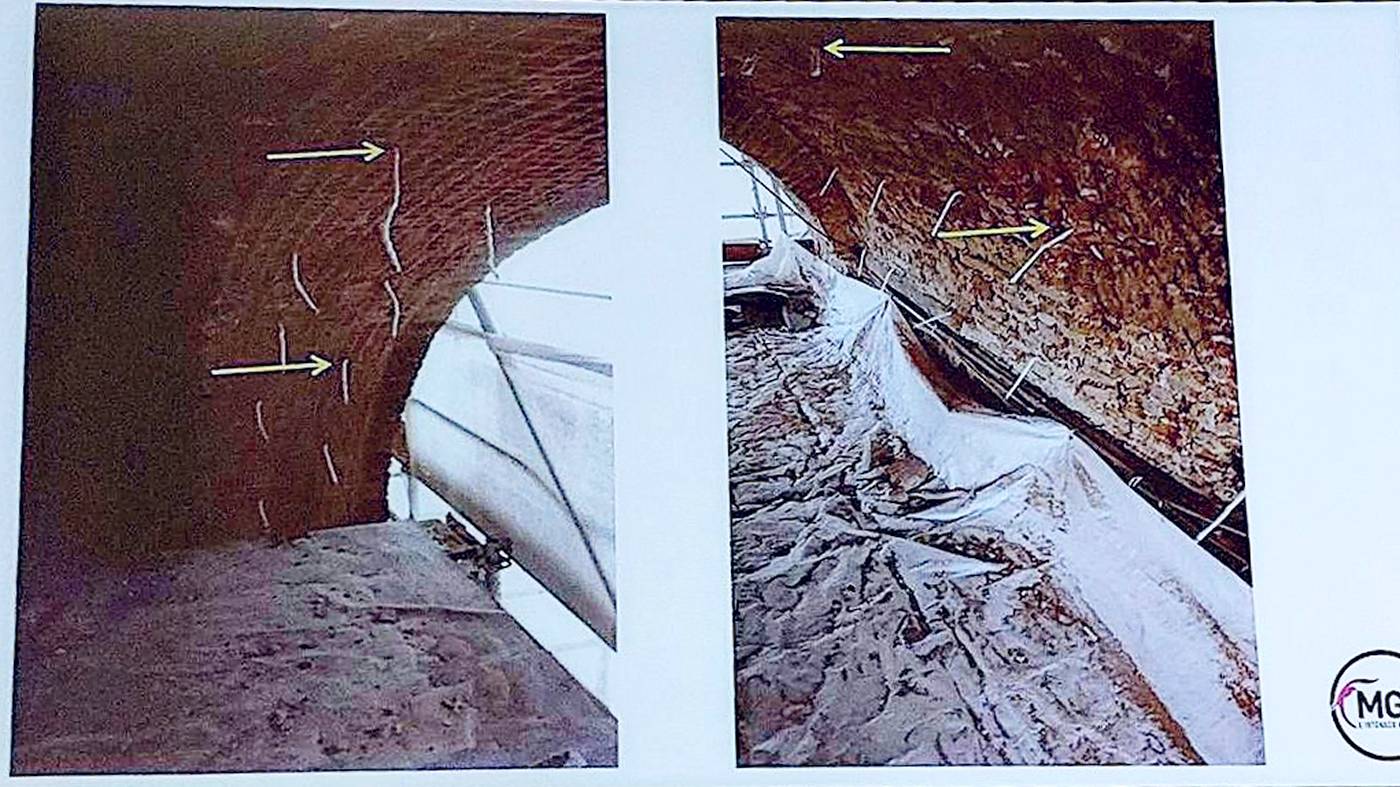
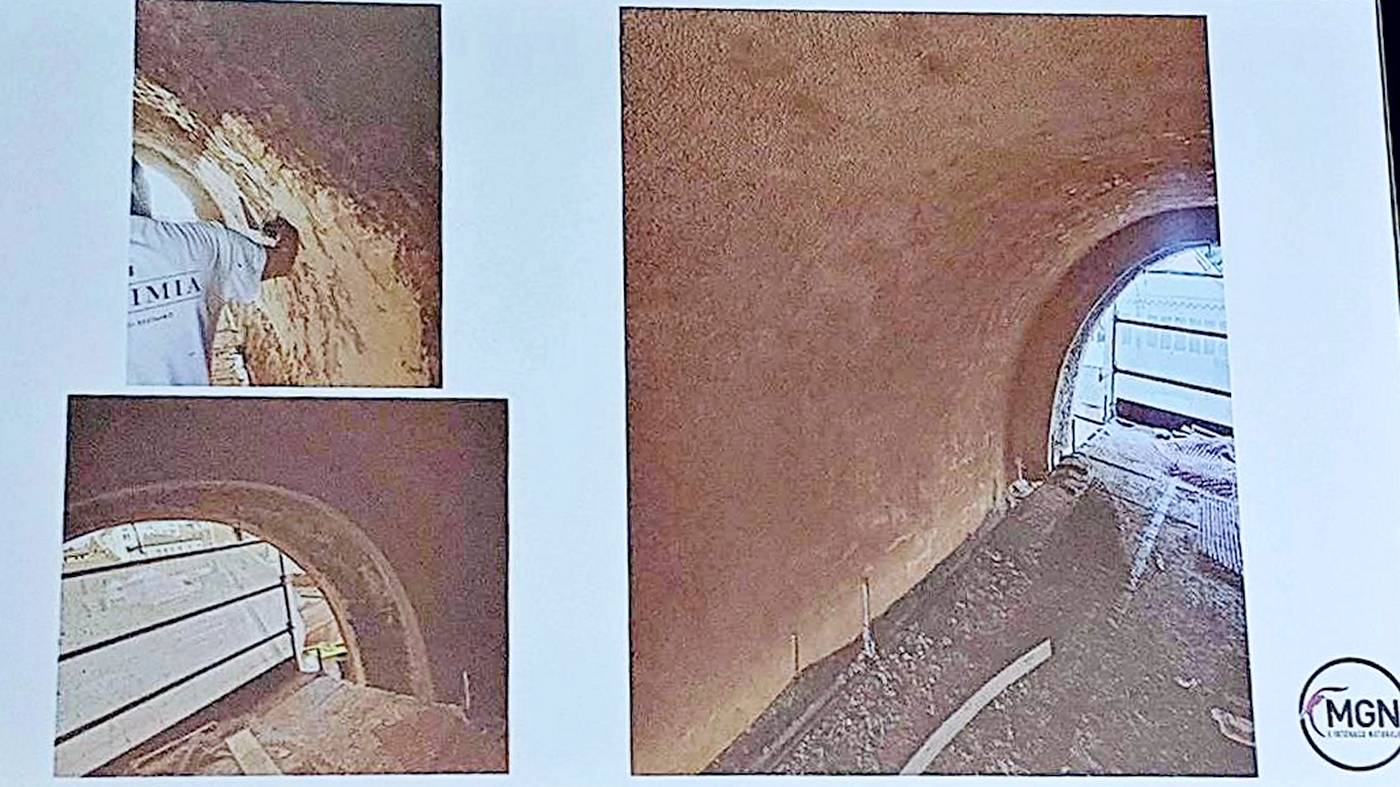
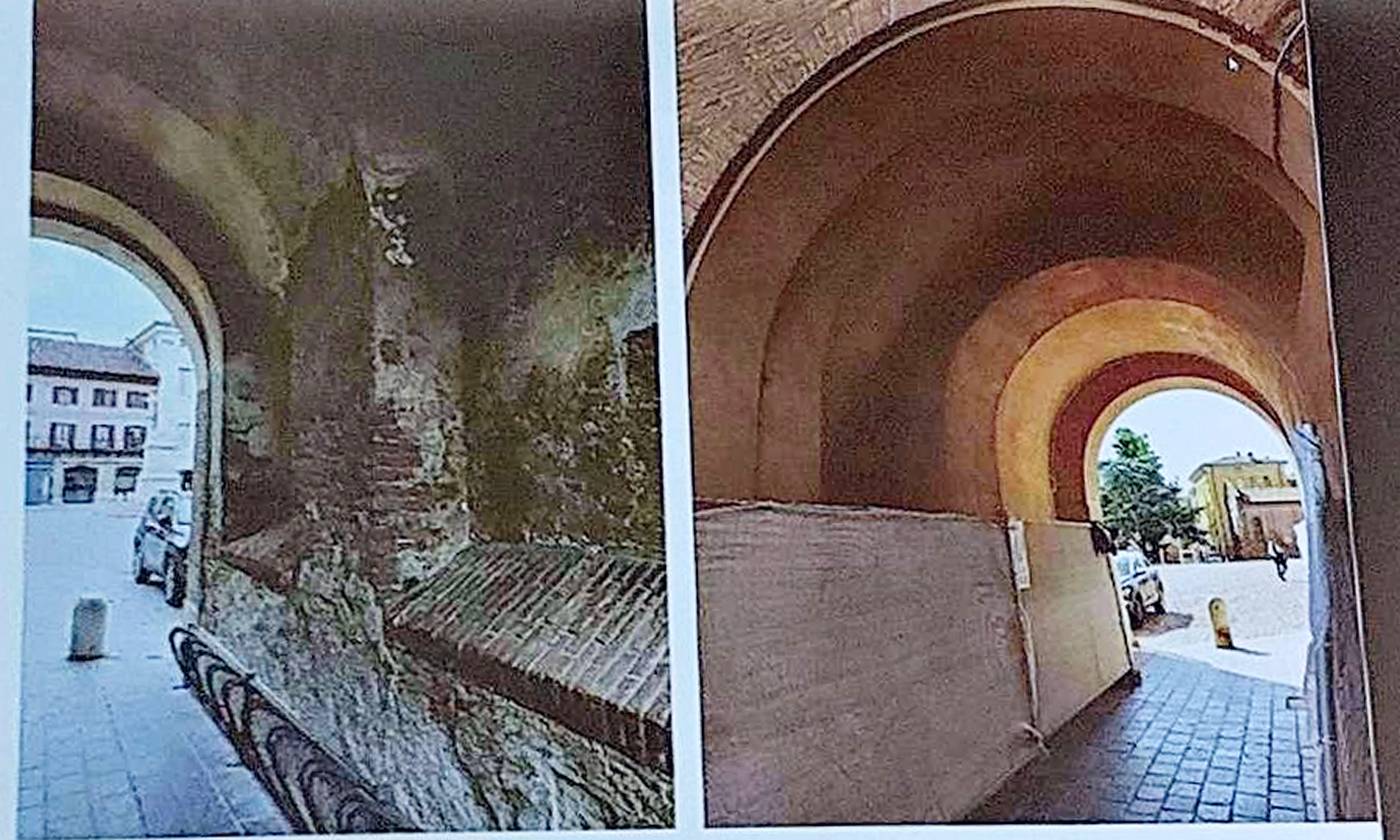
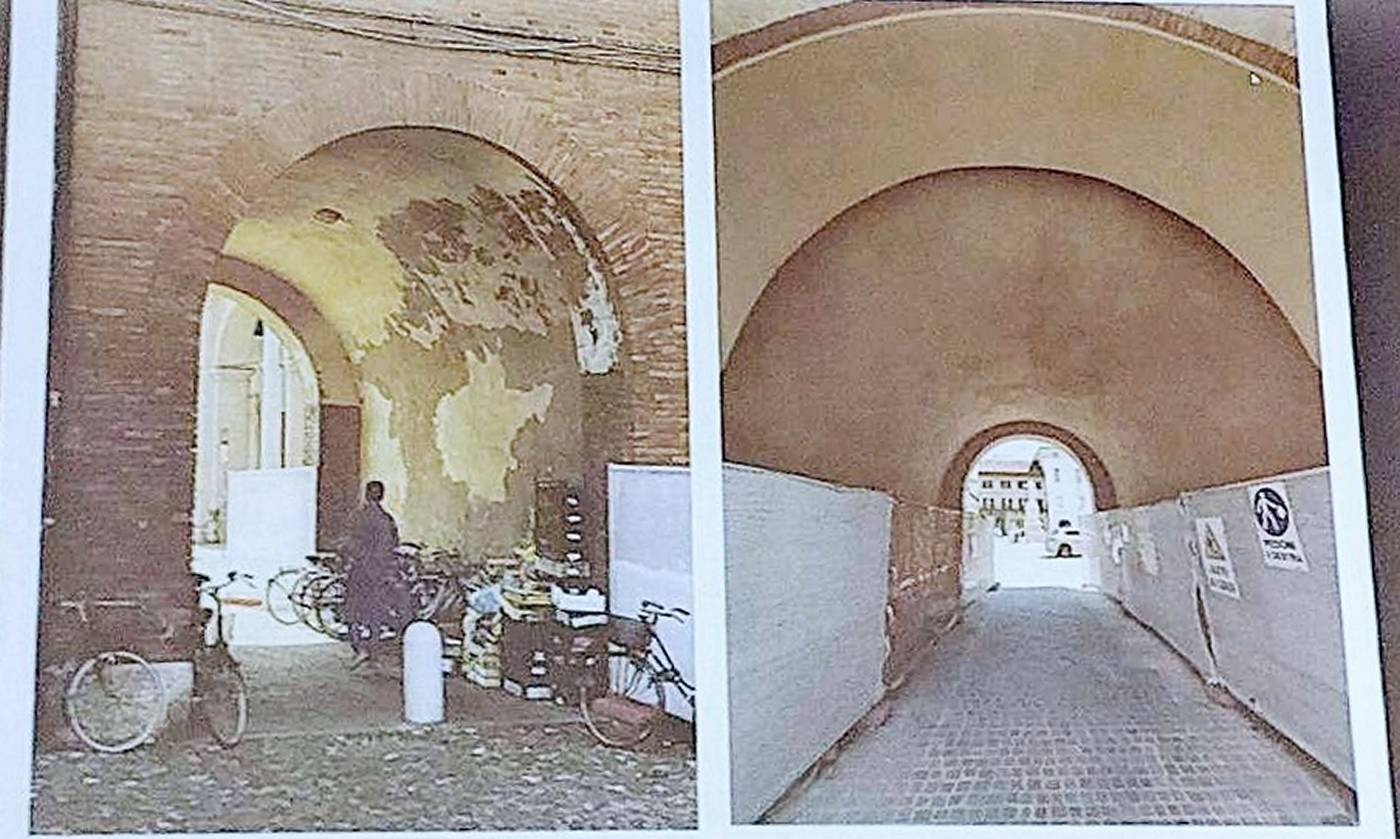
Ferrara Castle Restoration, Structural Consolidation

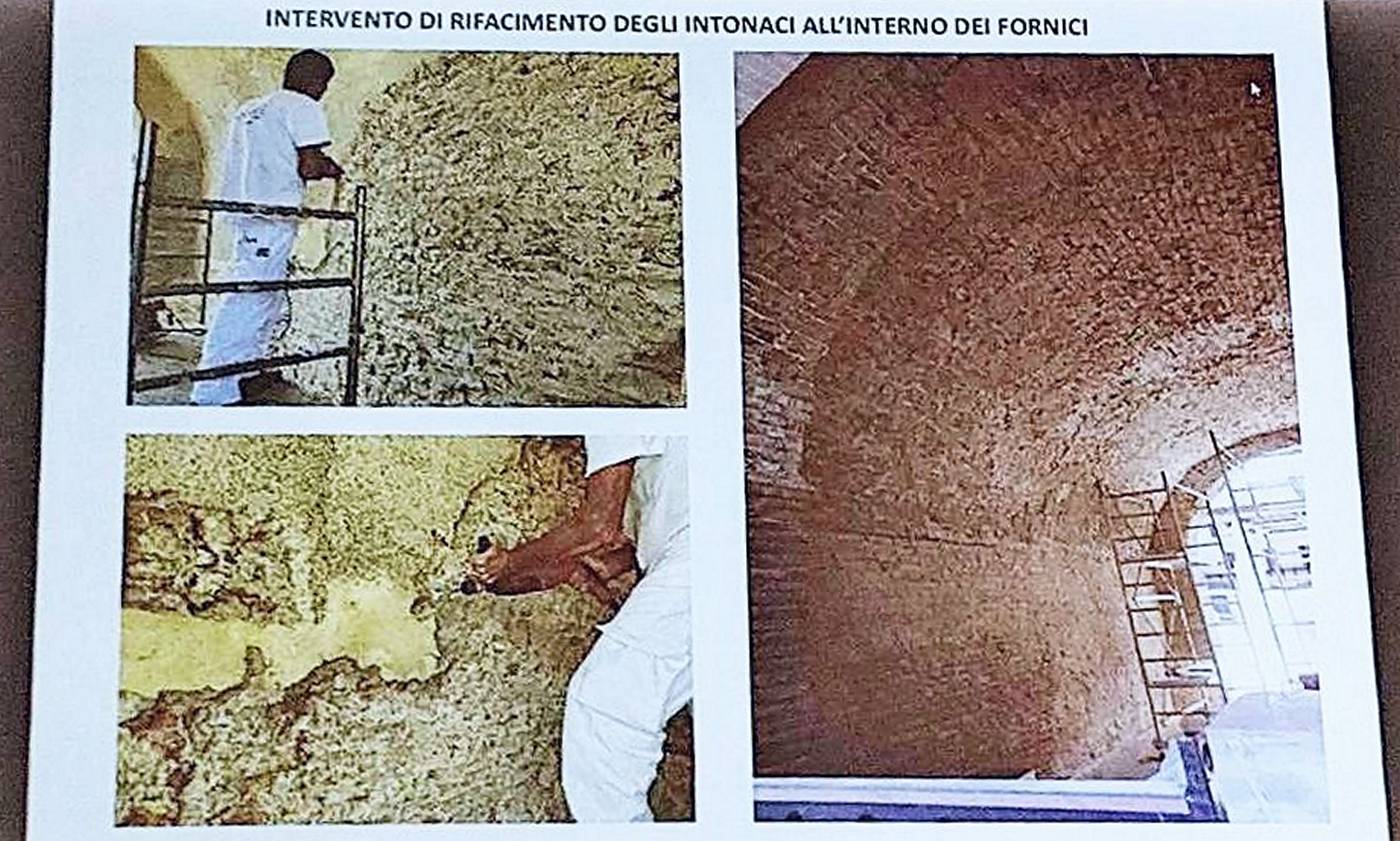
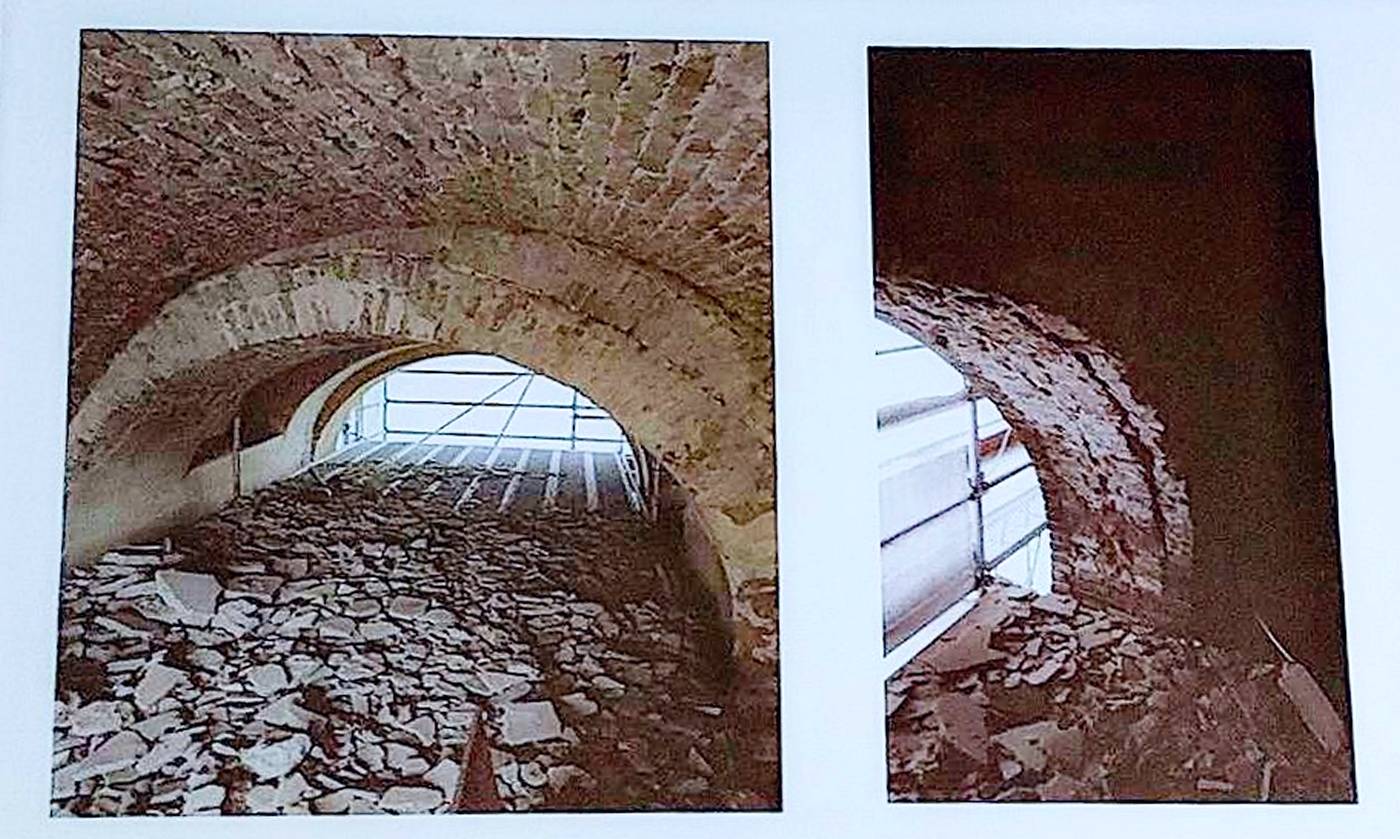
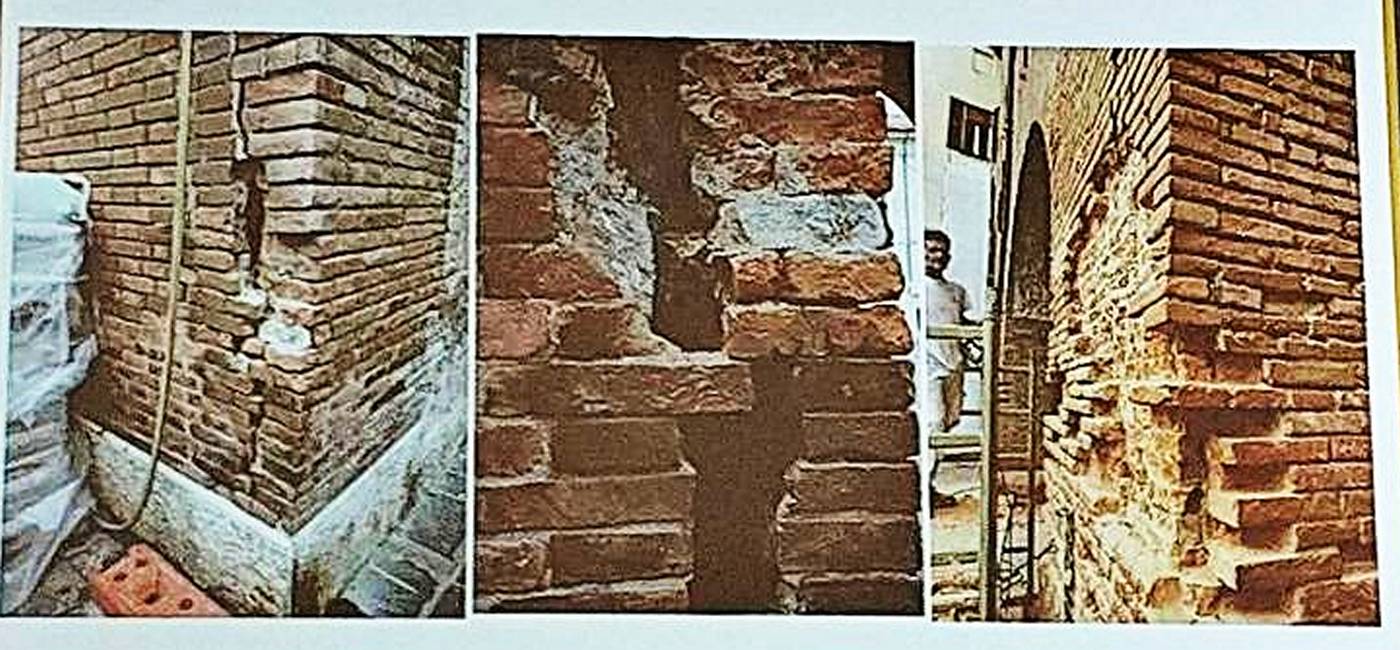
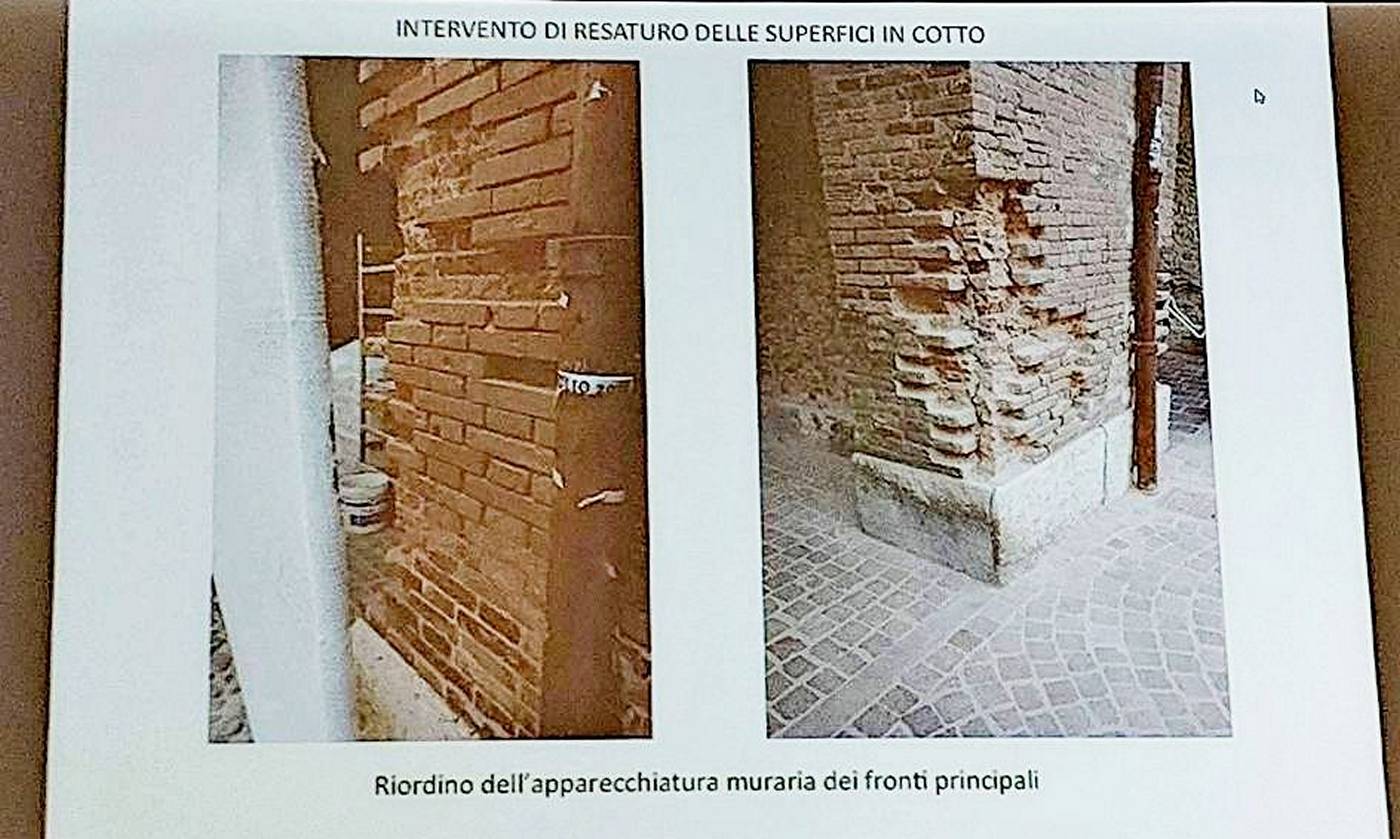
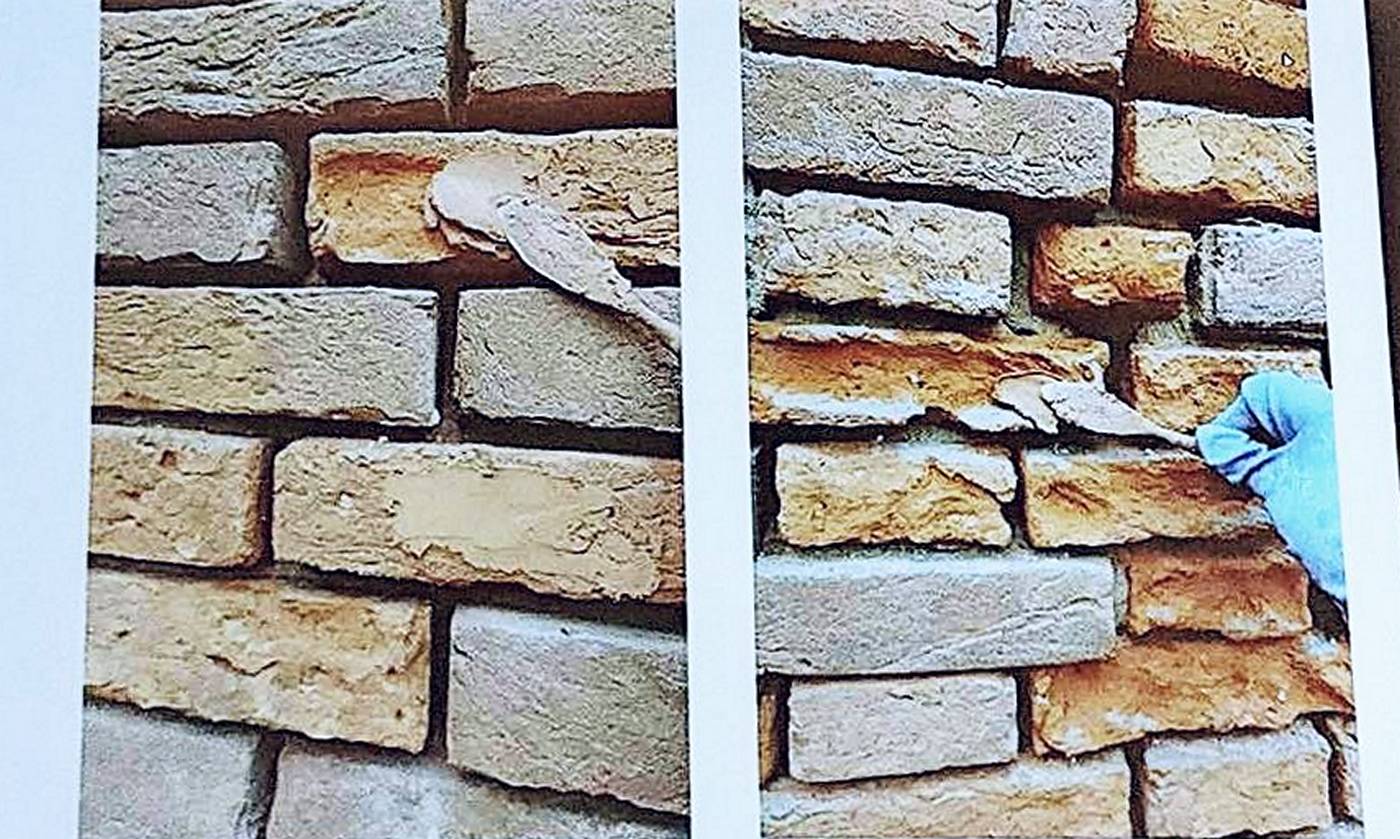
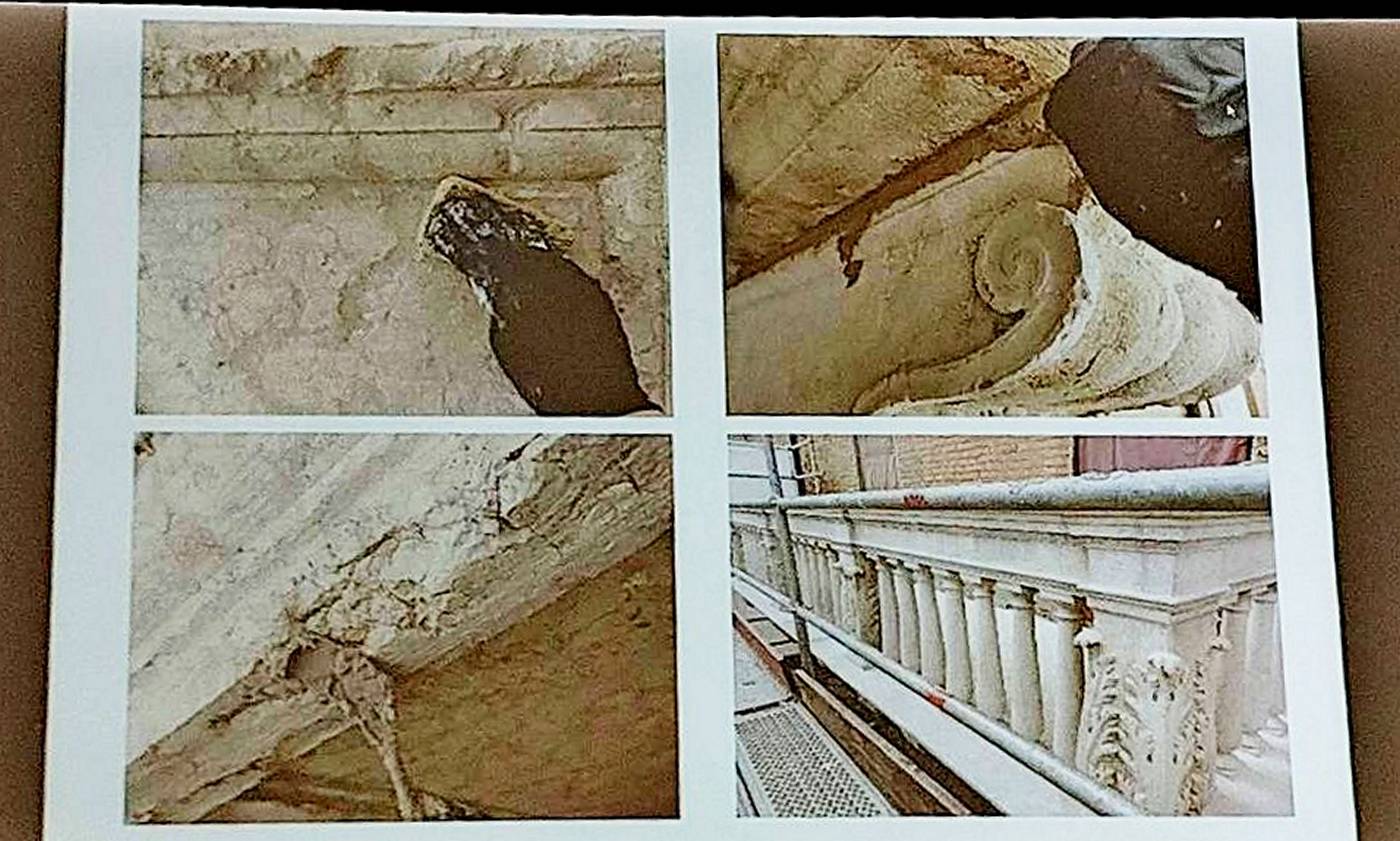
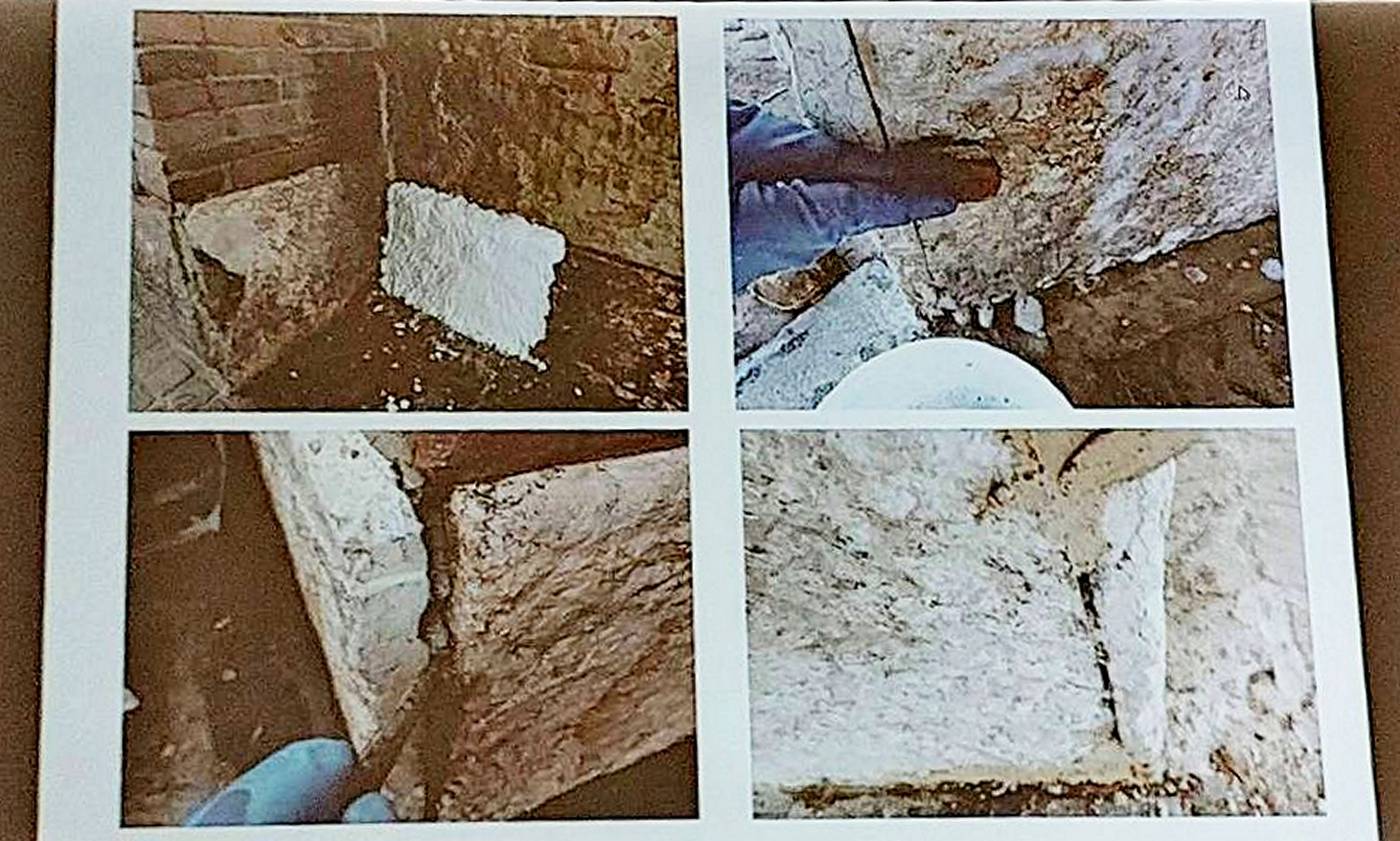
The partial restoration and structural consolidation of the Ferrara Castle (Castello Estense), a 14th-century moated medieval fortress located in the heart of Ferrara, northern Italy—as presented by the Ferrara City Council at the 30th International Conservation and Environmental Heritage Show 2025, Ferrara, Italy.
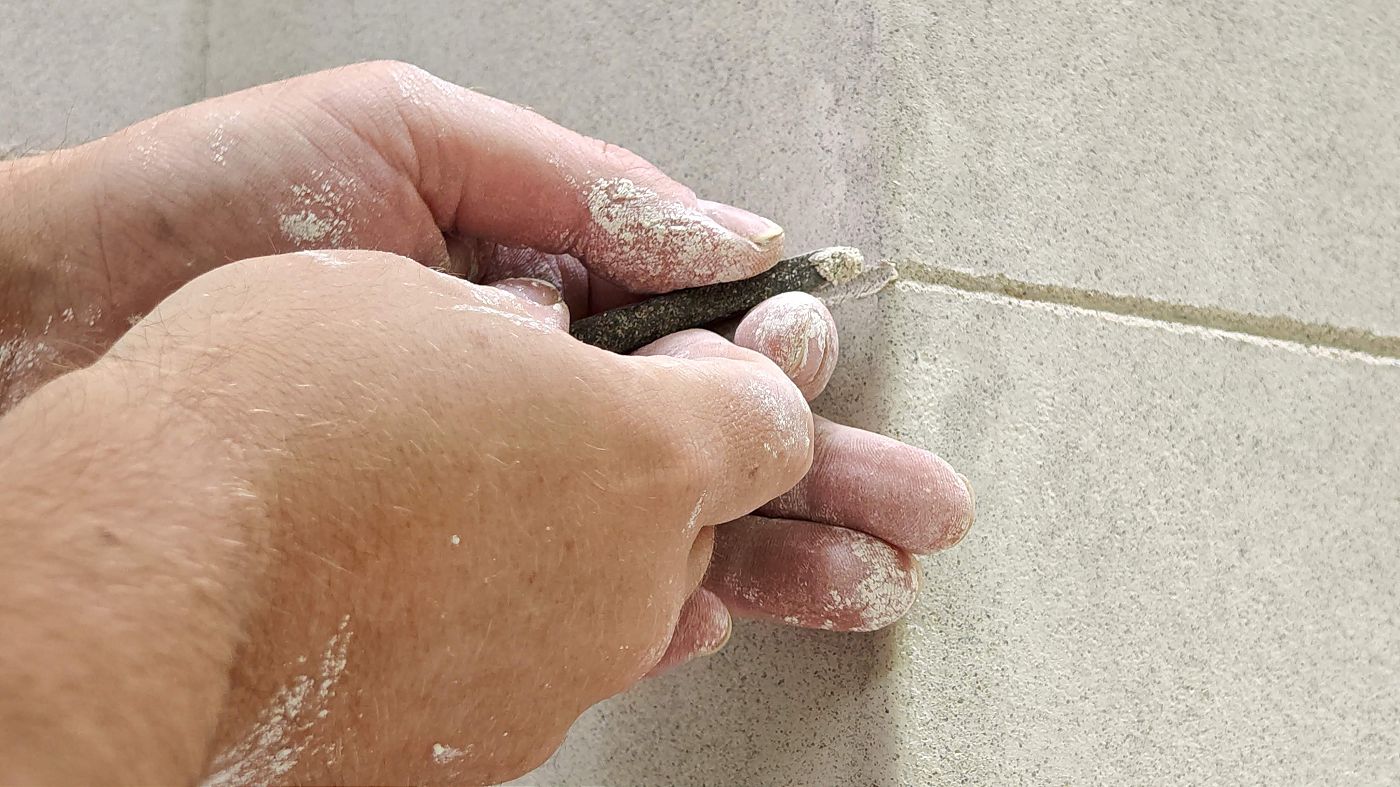
Lime Plastering Training at MGN Italy

As part of our regular ongoing training, Core Conservation attended a lime plastering workshop at MGN Italy. The workshop was conducted by Mr. Naldo Busato, a Master Restoration Craftsman from Venice, who demonstrated us step by step the hands-on construction process of traditional Venetian Pastellone and Terrazzo lime-cocciopesto floors.