COCCIOPESTO DEUMIDIFICANTE MGN is part of a lime plastering system for damp walls and basements, and it’s composed of two products:
This plastering system provides a robust, long-term, heritage-friendly solution to:
and as such, it can be used with excellent results
It is a highly breathable plastering system, allowing the excess humidity to evaporate, without allowing the water-soluble salts to reach the surface. The performance of the plastering system has been proven by over 40 years of experience and thousands of interventions on building sites throughout Venice.
There is another variation of this plastering system with no cocciopesto, using the RISANAMUR B80 MGN lime plaster as the main plastering coat, with the same proven results.
In ancient Rome, a particular type of mortar called "cocciopesto", a mix of lime and brick dust or crushed terracotta fragments (coccio = pottery fragments; pesto = crushed) was widely used as:
Cocciopesto plasters are special lime plasters because they are extremely breathable, resist moisture and humidity, have high thermal mass storing heat naturally, and can regulate indoor humidity extremely well preventing condensation even in high-humidity environments.
Given the wide accessibility of their prime materials and their wide range of application, Cocciopesto plasters spread rapidly to every corner of the Roman empire and they are still widely used today. Here are their key benefits in more detail.
Cocciopesto plasters and screeds have several notable benefits over regular lime:
Cocciopesto gives a more resilient, low-maintenance and thermally stable surface while keeping all the gentle, breathable qualities of lime. It balances heat and moisture naturally — a principle known to the Romans centuries ago. It’s not just a more absorbent lime — it’s a smarter, more balanced material that bridges the gap between soft air lime and stronger hydraulic limes.
In everyday life, this means cocciopesto-lined rooms feel more comfortable, absorb short humidity peaks after cooking or showering, and avoid cold, damp patches on walls. When the room is warm, cocciopesto surfaces gently absorb heat; when heating stops that stored warmth is released back, keeping surfaces warmer and preventing condensation. This stabilises both heat and humidity, creating a healthier indoor climate.
The table below summarizes these key properties discussed above:
Here are the recommended work specifications for this plaster.

[15-20 mm] Lime second coat, with 15 mm for internal, and 20 mm for external walls. Applied usually in 2 coats as:
Here are some key technical points about how to apply this material correctly. Please have the applicators read / watch the application instructions below before applying the product.
APPLICATION VIDEO:
APPLICATION INSTRUCTIONS:
Here are some key technical documents (spec sheets, application guide etc.) about this plaster.
If you have any questions about a project, a problem, a solution, or any of our plasters - please get in touch.
We understand that each project is unique. Using the contact form below feel free to ask us any question. Give us as much detail as you can about your project so we can get back to you with more relevant answers.
Here are some of our projects using this plaster:
This material can be used in the following applications or solutions:
Here are some photos demonstrating this solution. Click on any image to open the photo gallery.
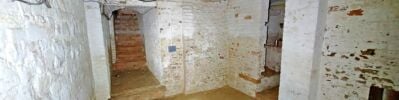
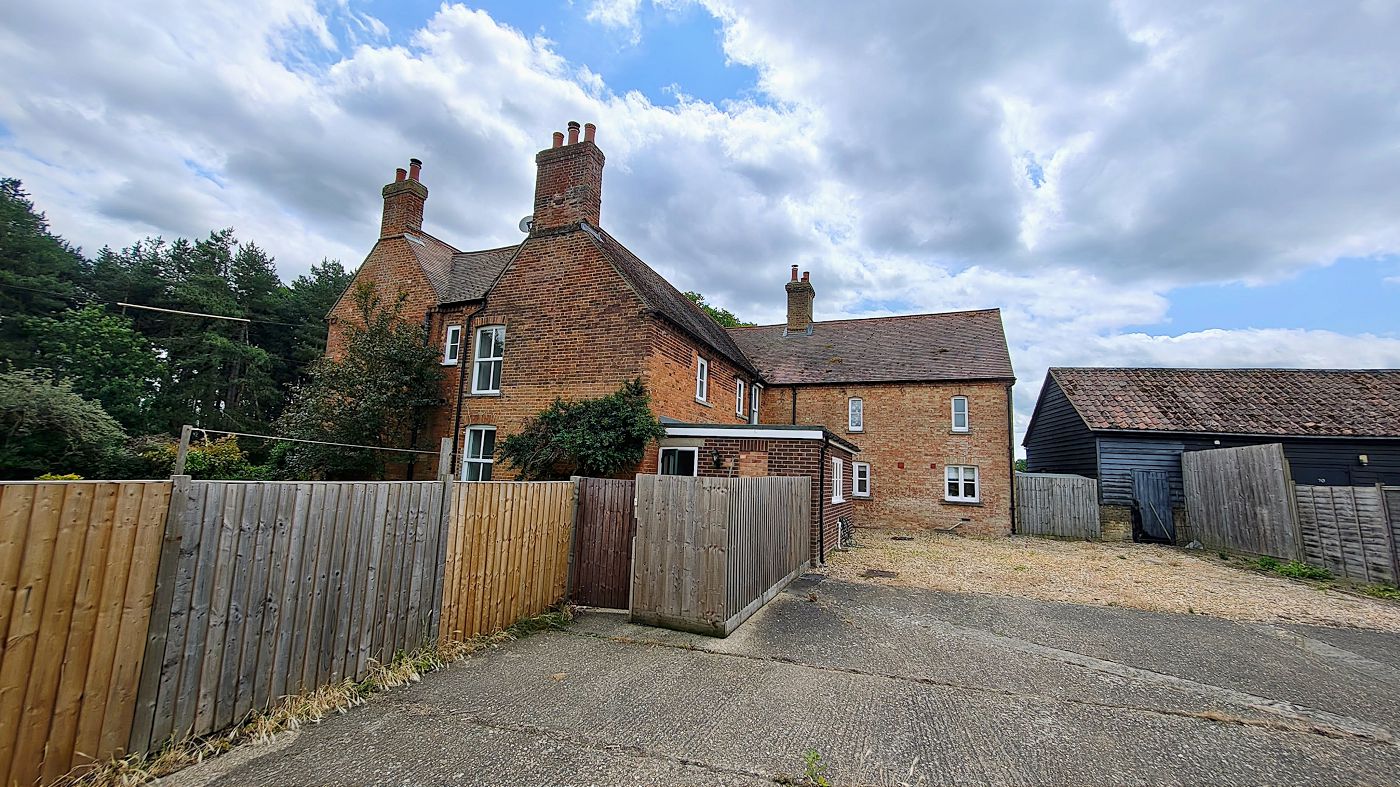
This old Victorian farm building sits in an area with an exceptionally high water table and, as a result, suffered regular winter flooding. Groundwater would rise into the cellar to a depth of approximately 1.2 metres, leaving the space submerged for much of the season. Despite the installation of a sump pump, the volume and persistence of incoming water proved too great to manage, and the cellar remained flooded throughout the winter months.
The issue was resolved using Rinzaffo MGN Roman waterproofing lime plaster, a relatively simple yet highly effective intervention. This heritage-friendly system provides a complete barrier against liquid water while still allowing the wall fabric to breathe, making it particularly well suited to historic buildings. The result is a dry, stable cellar achieved without compromising the long-term health of the original masonry.
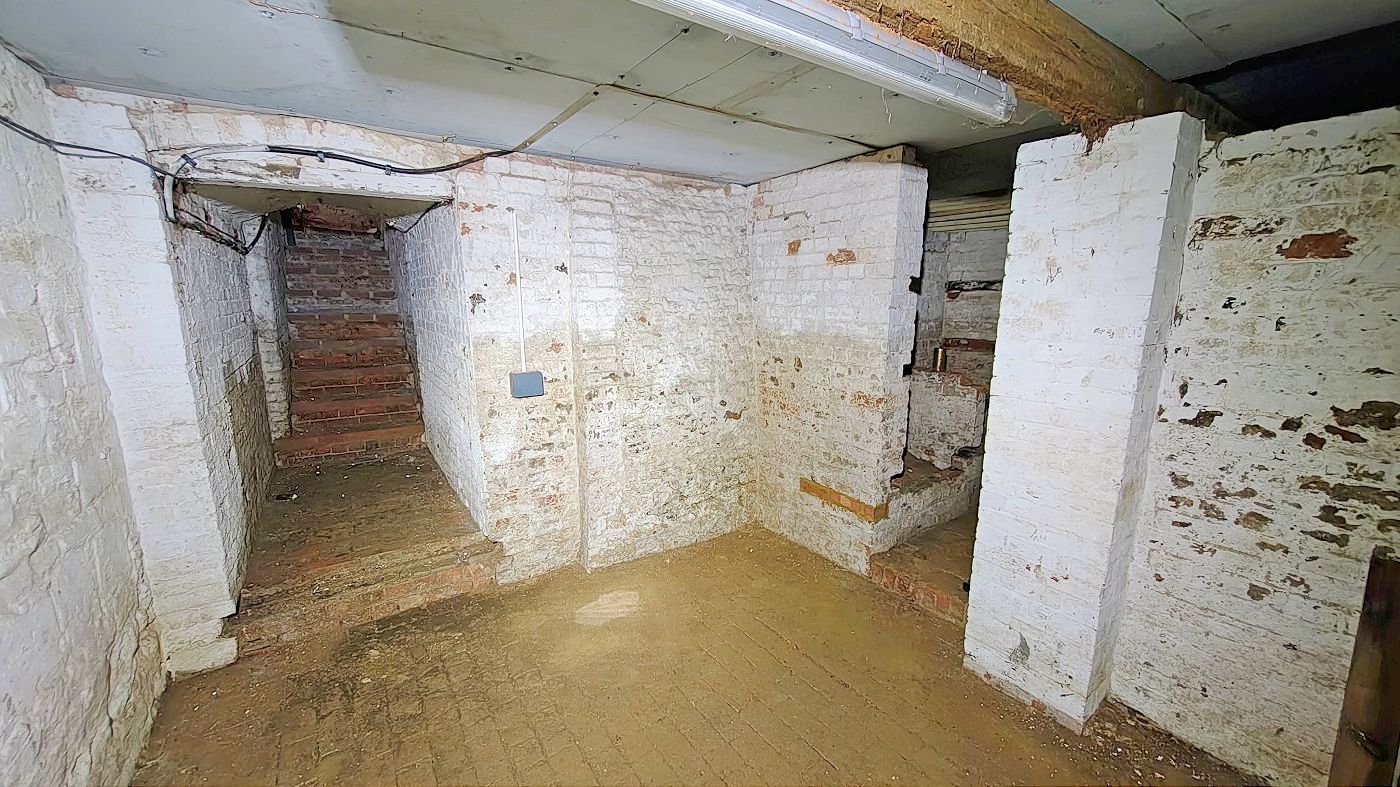
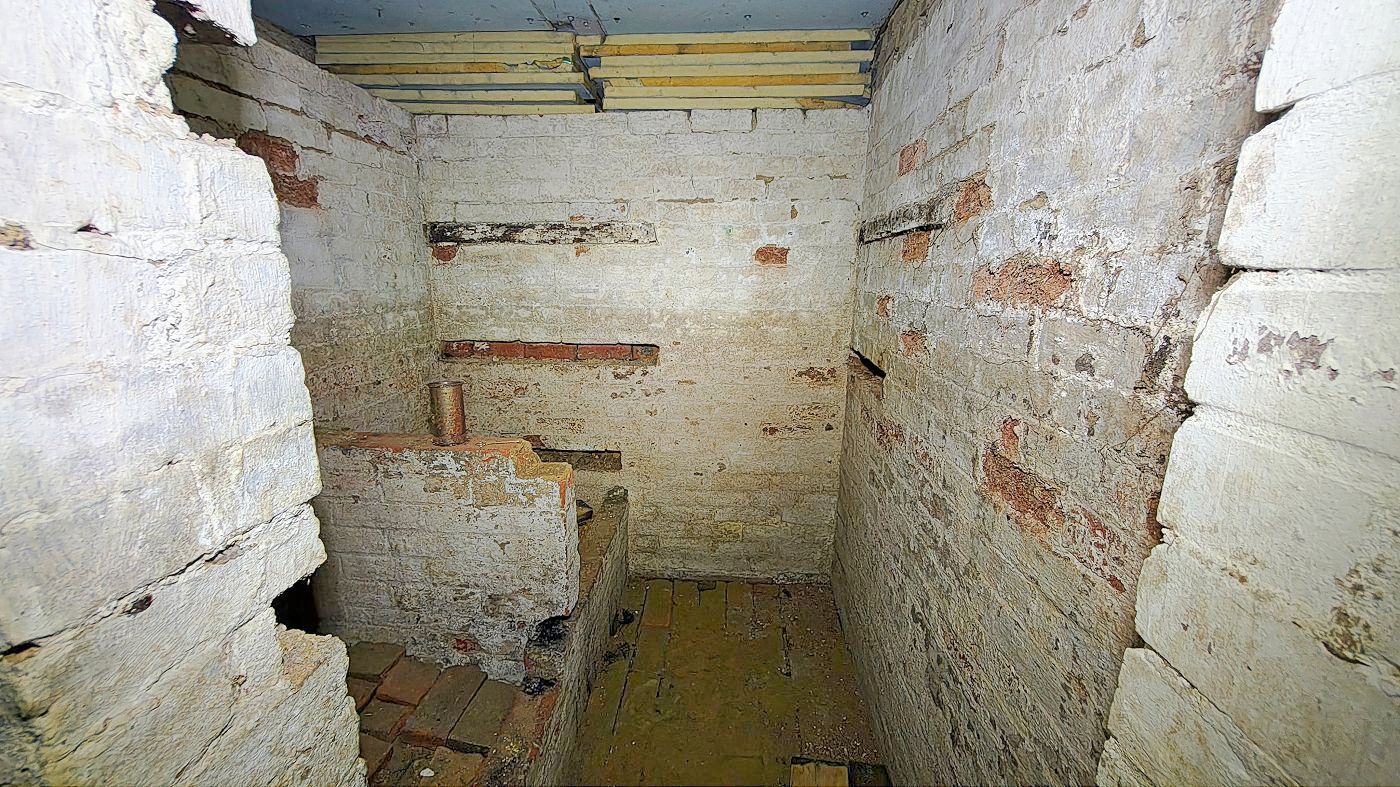
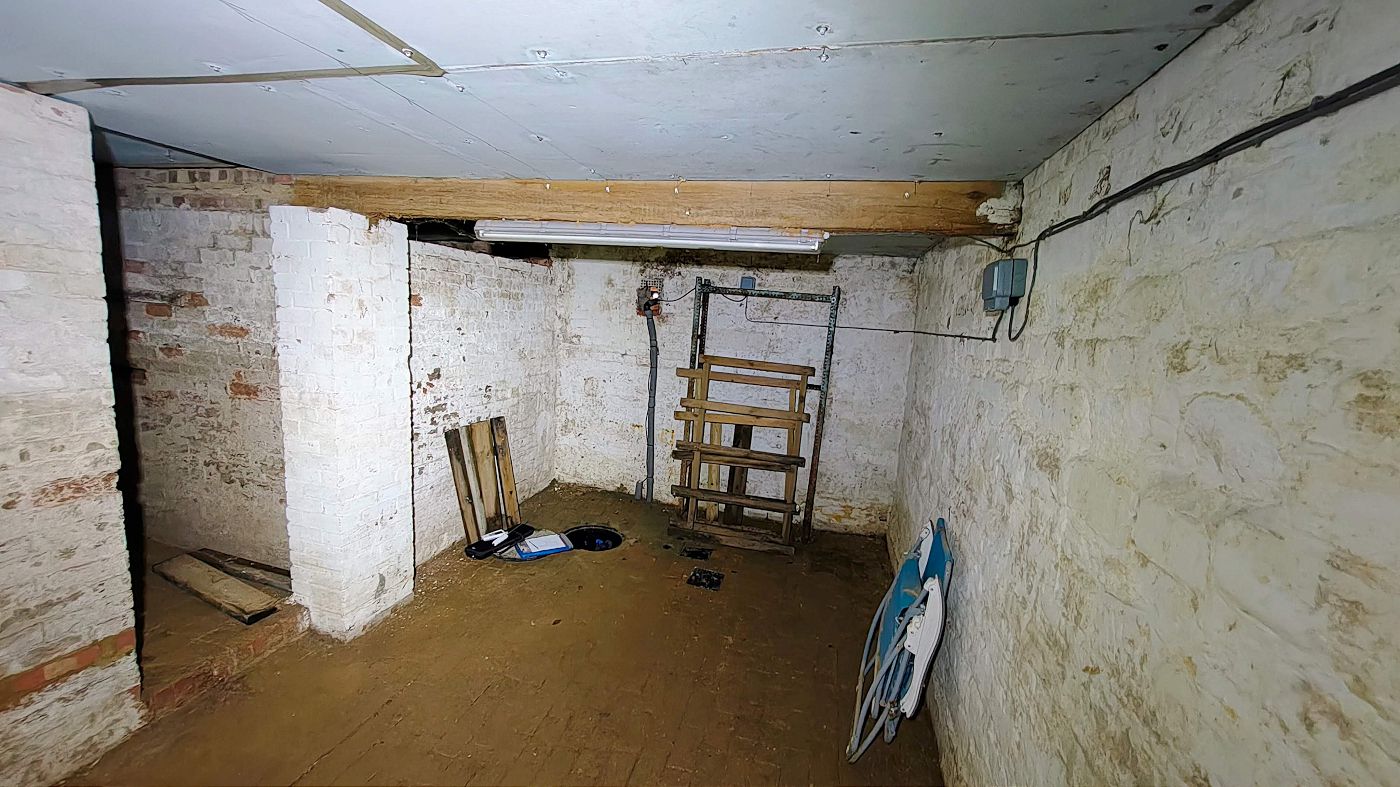
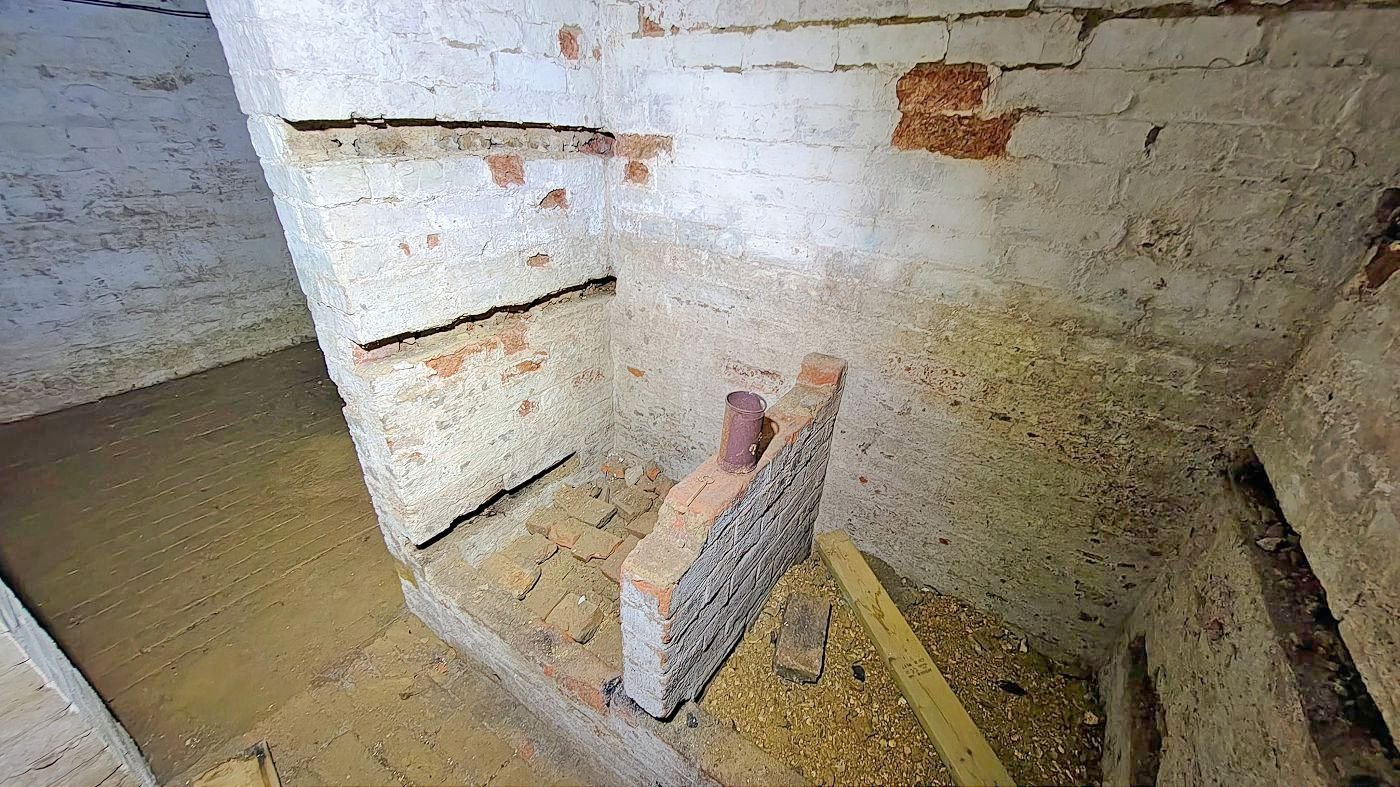
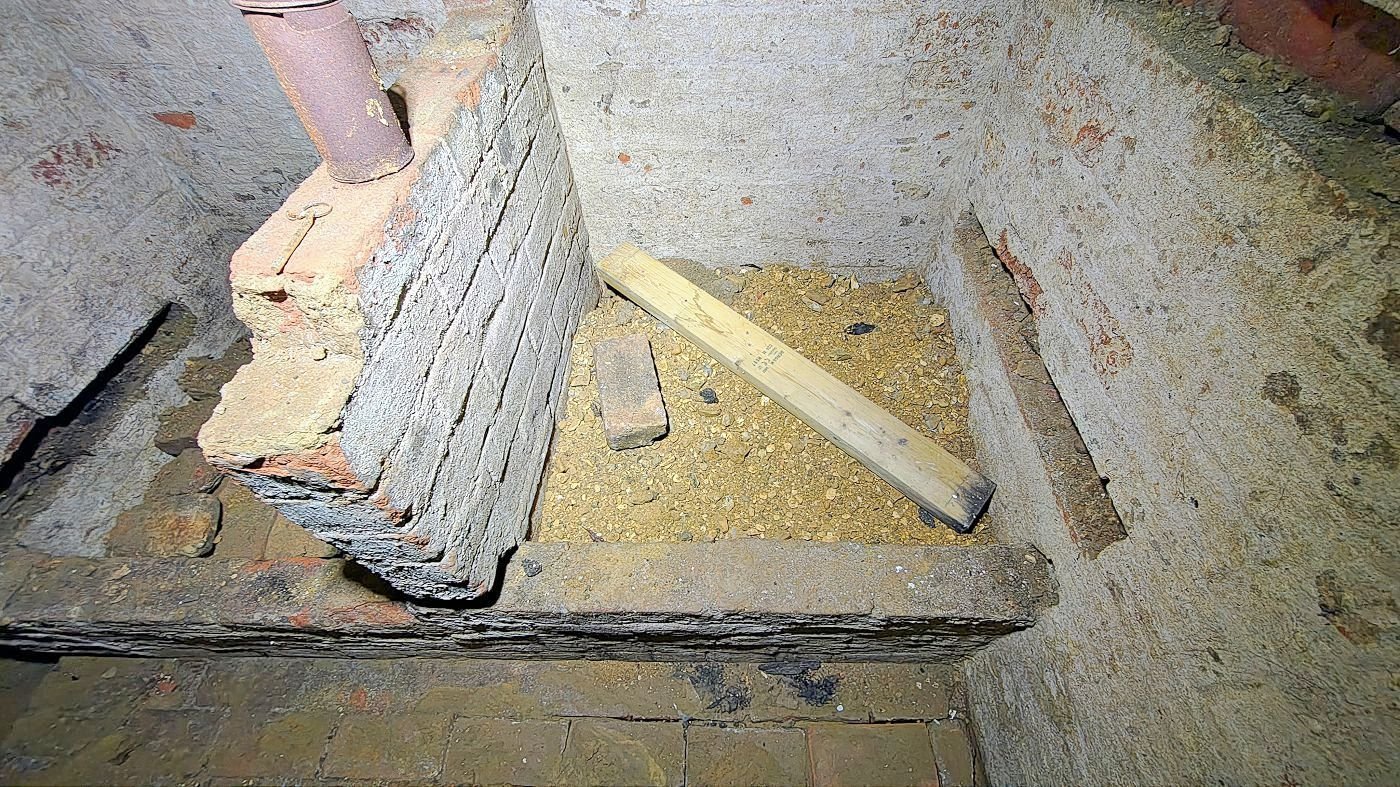
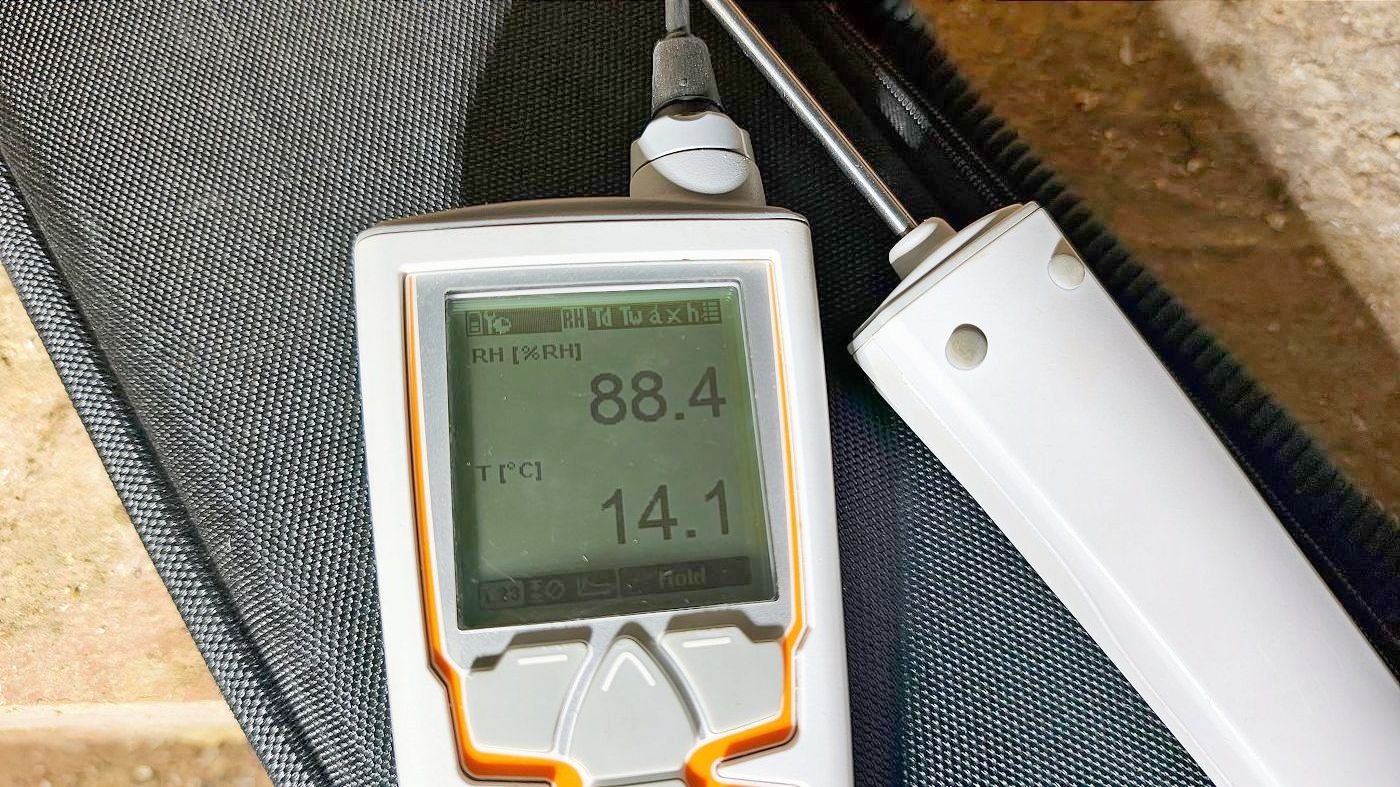
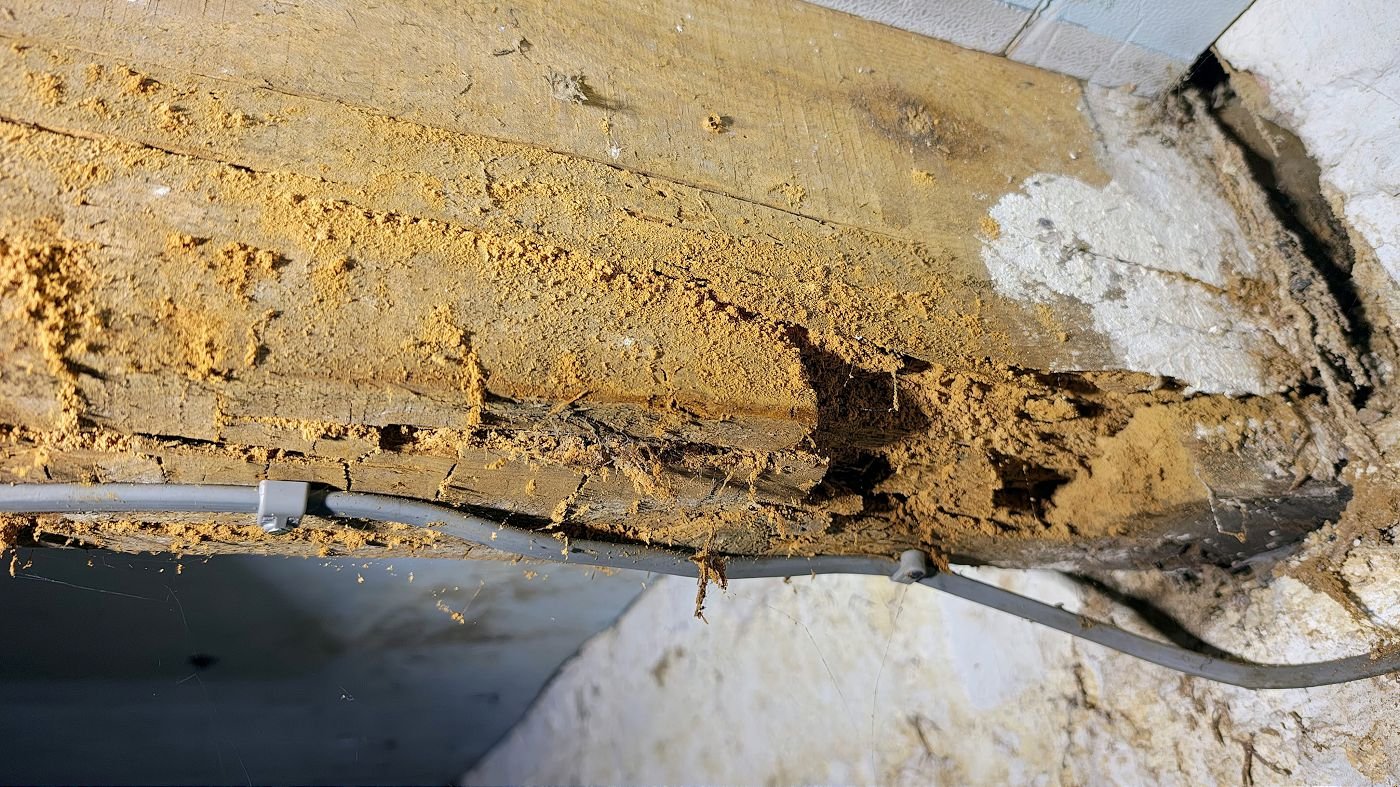
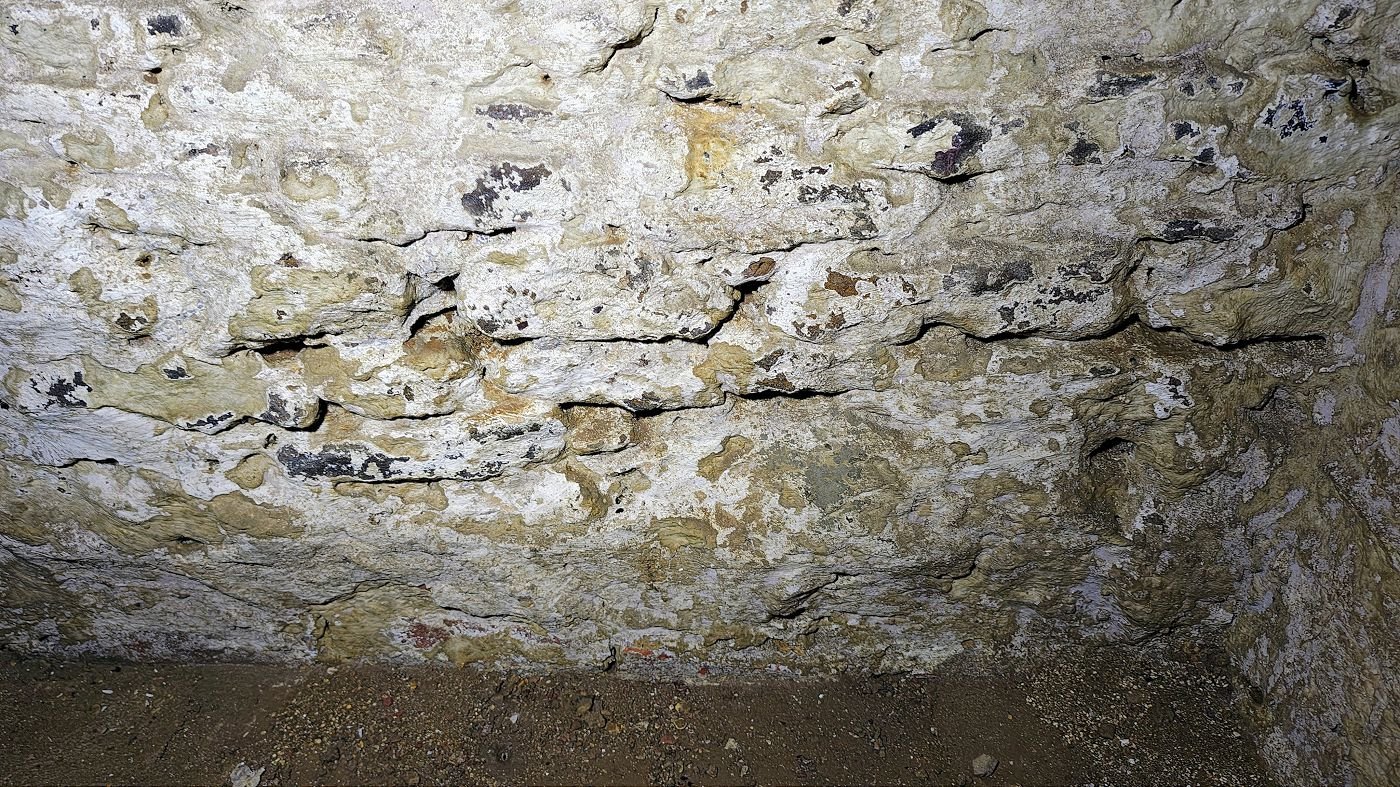
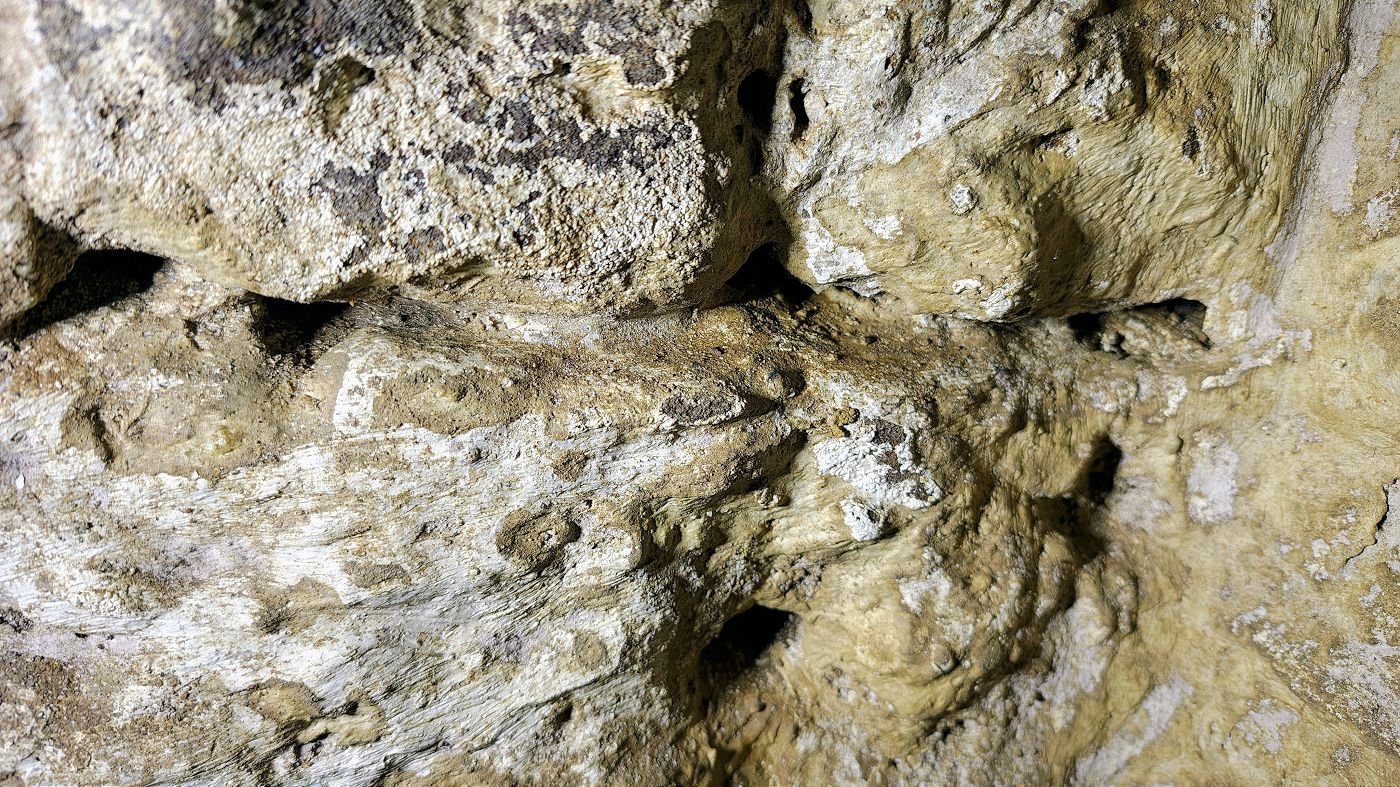
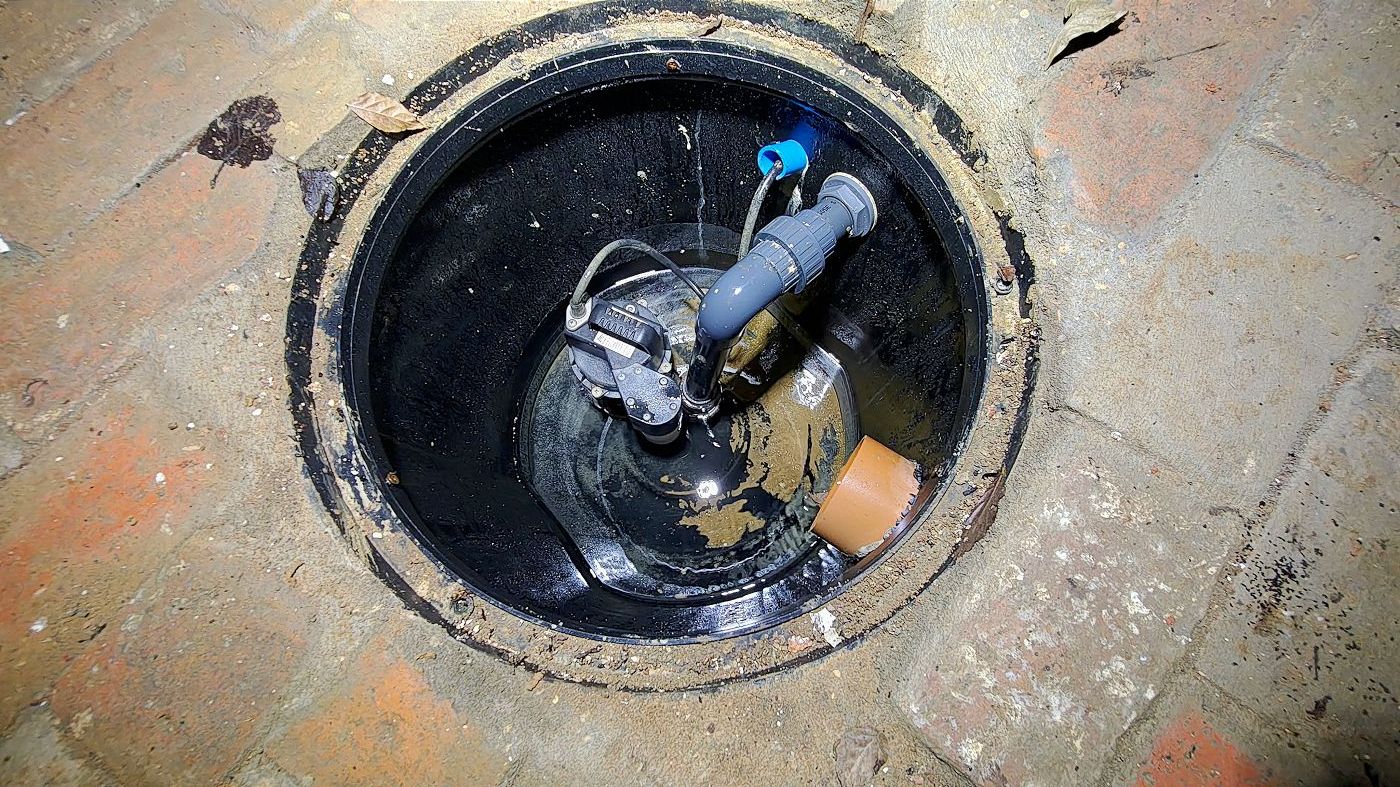
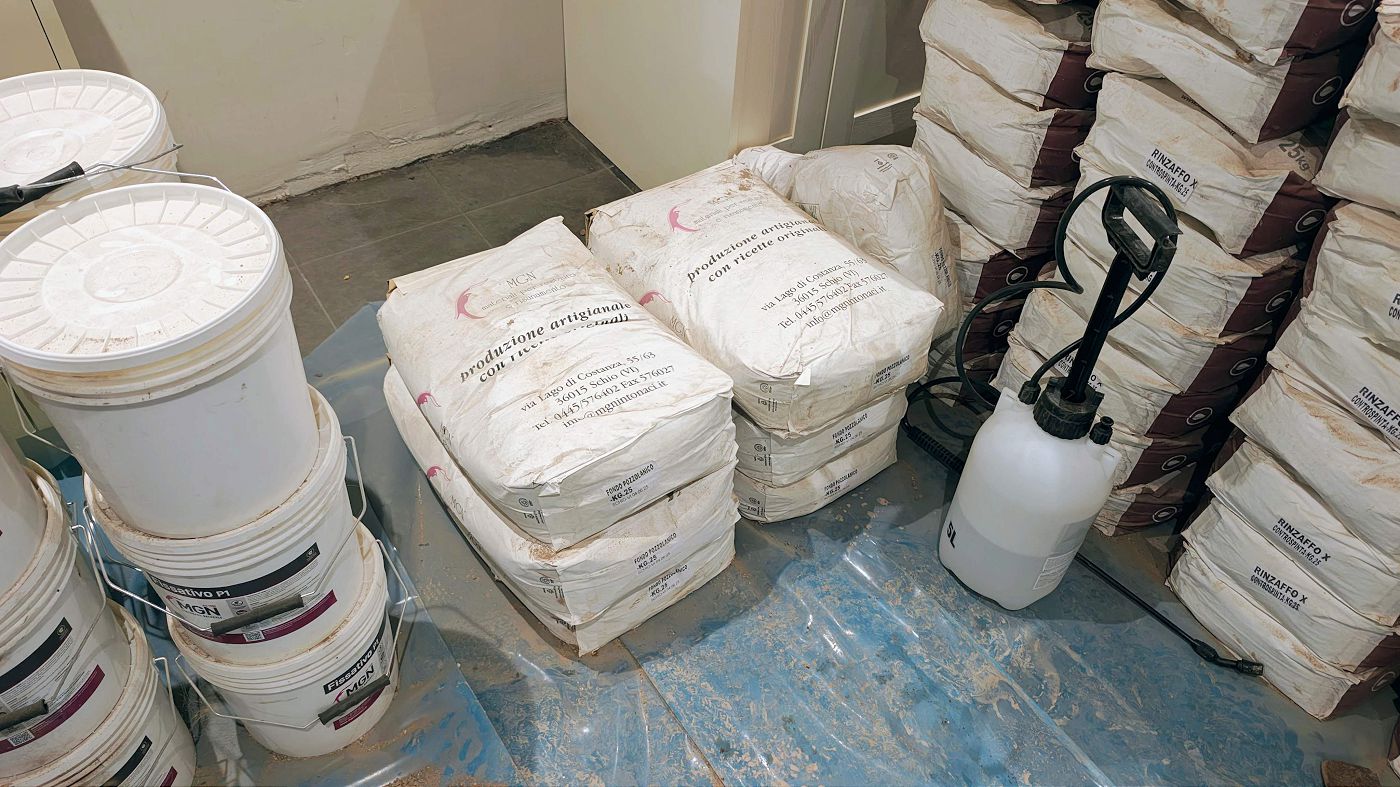
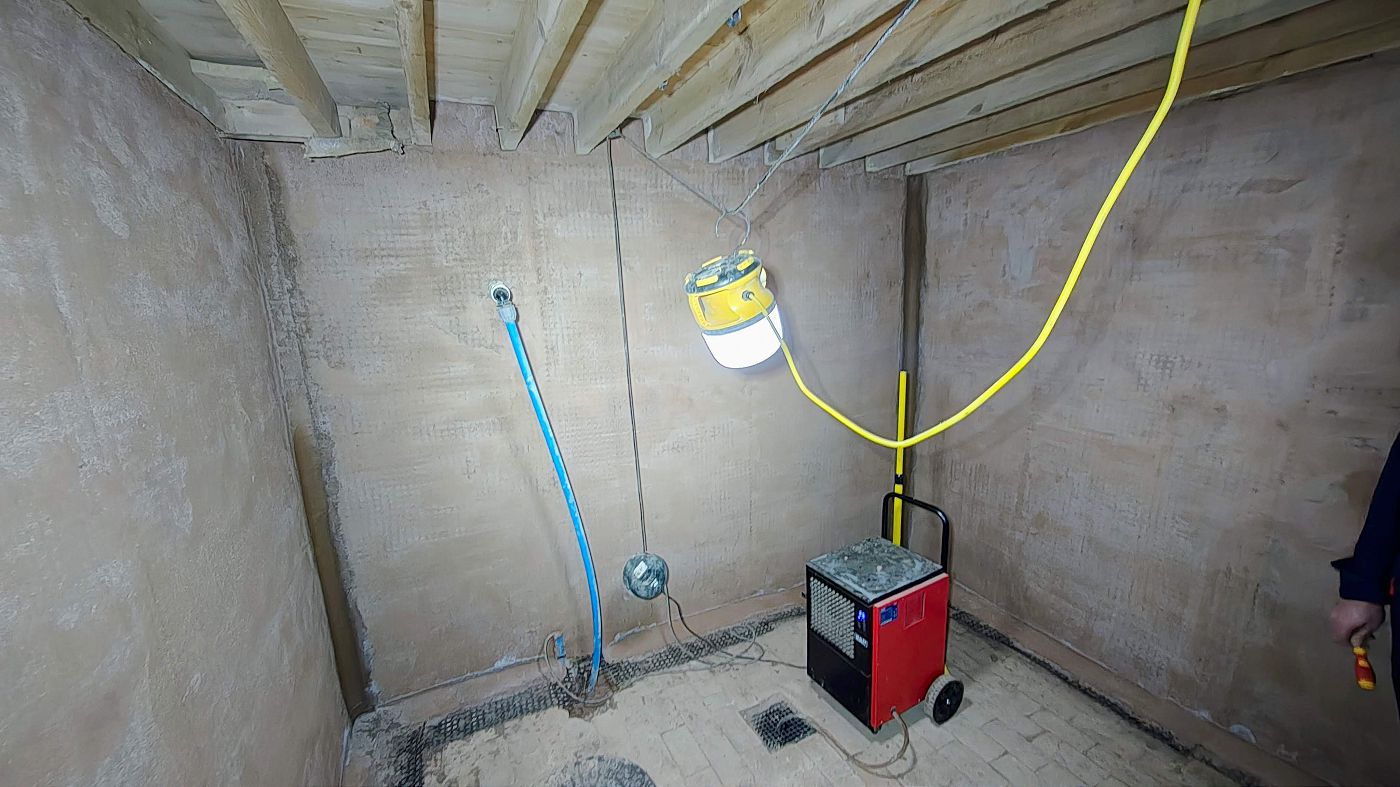
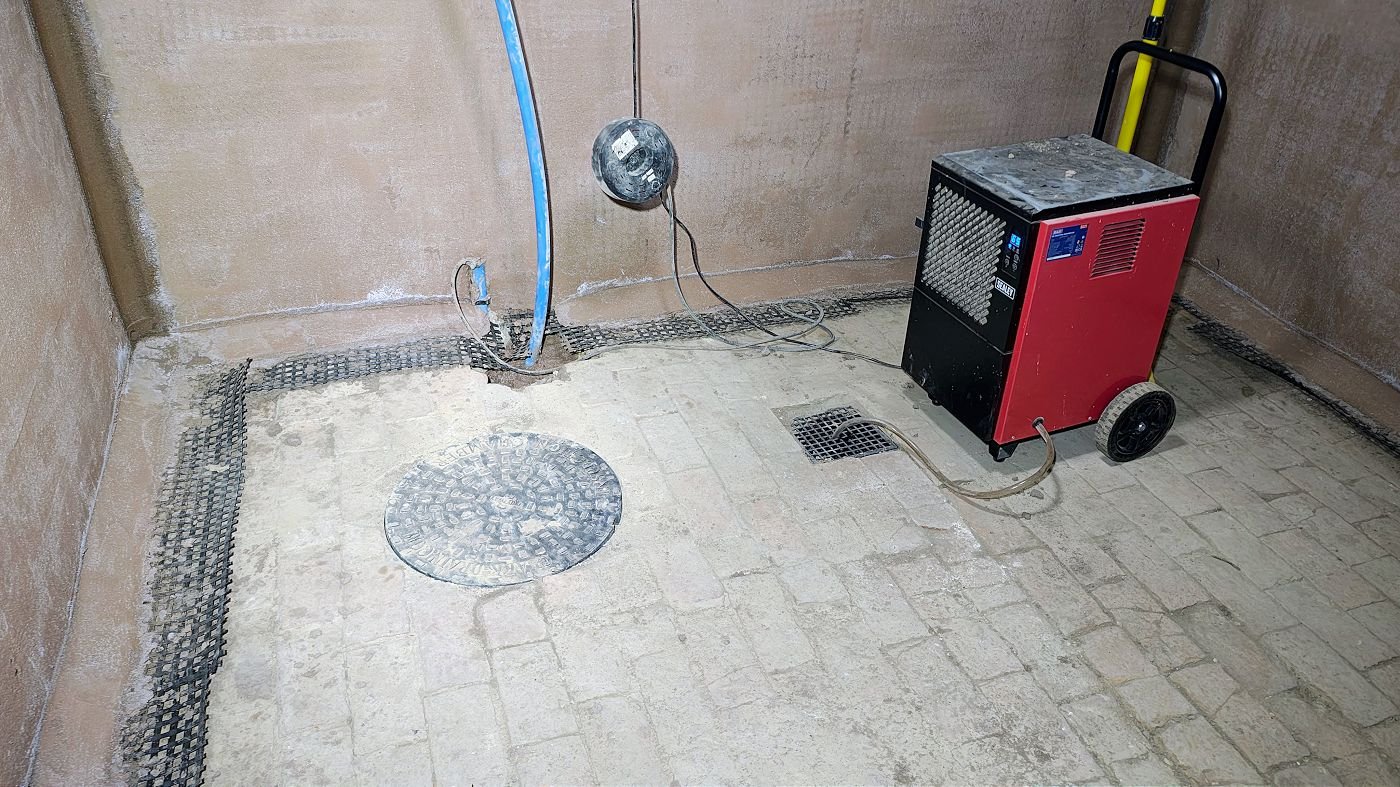
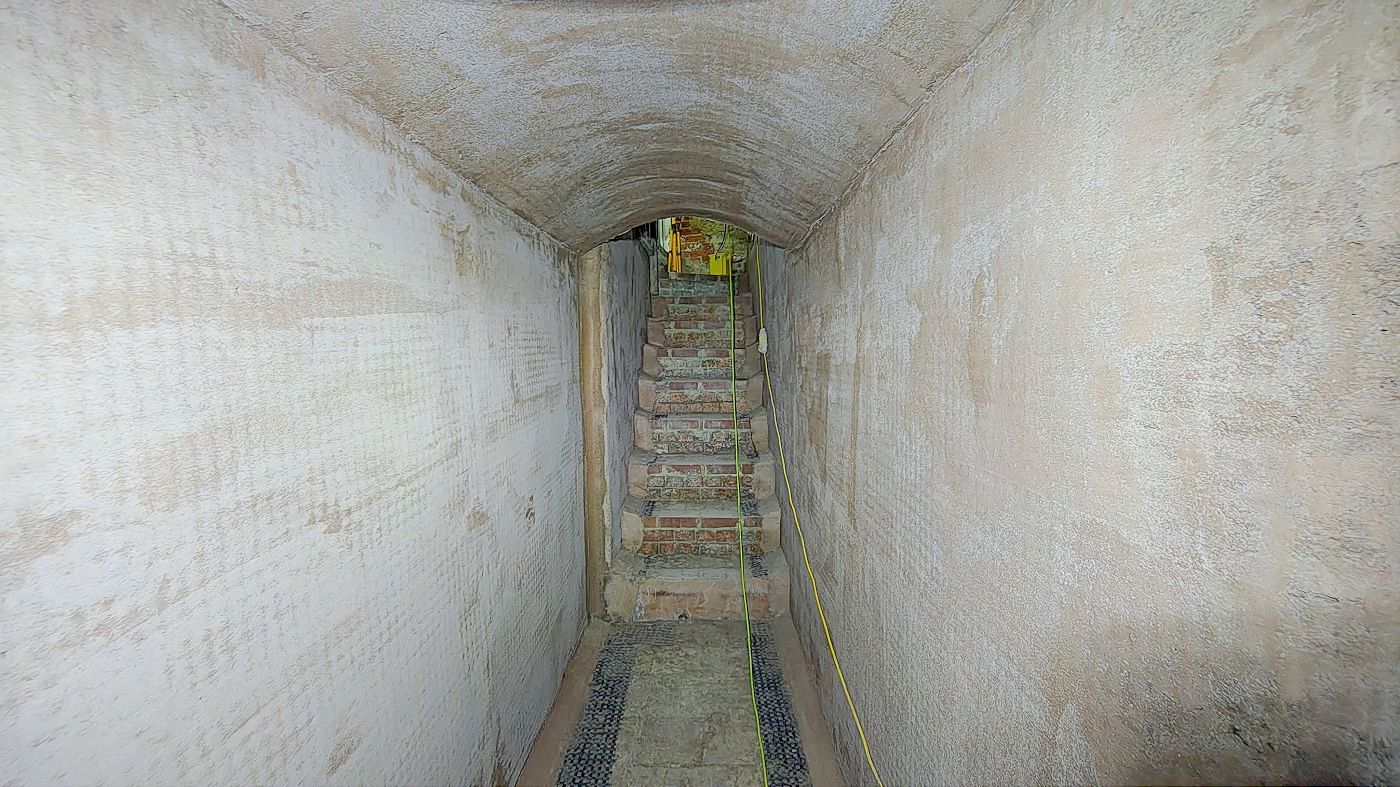
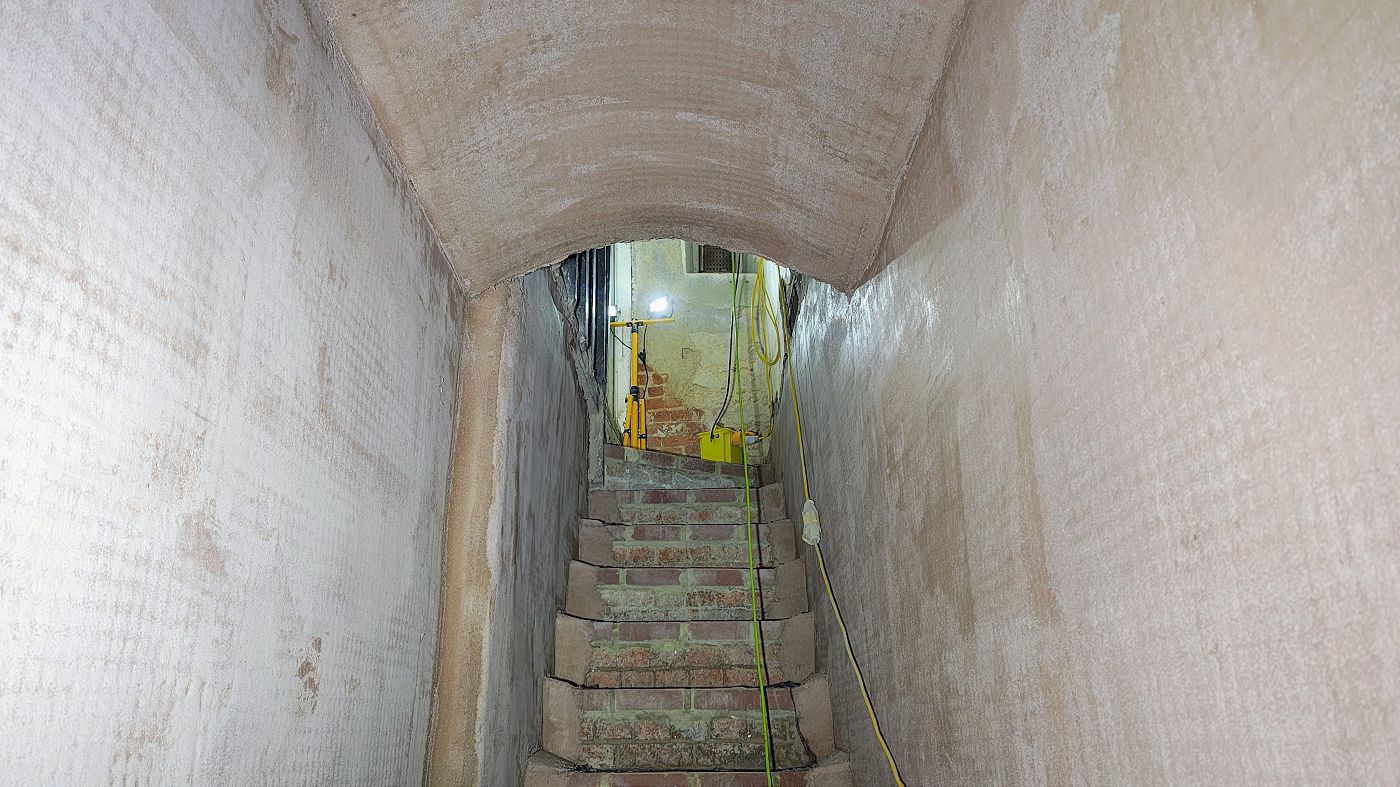
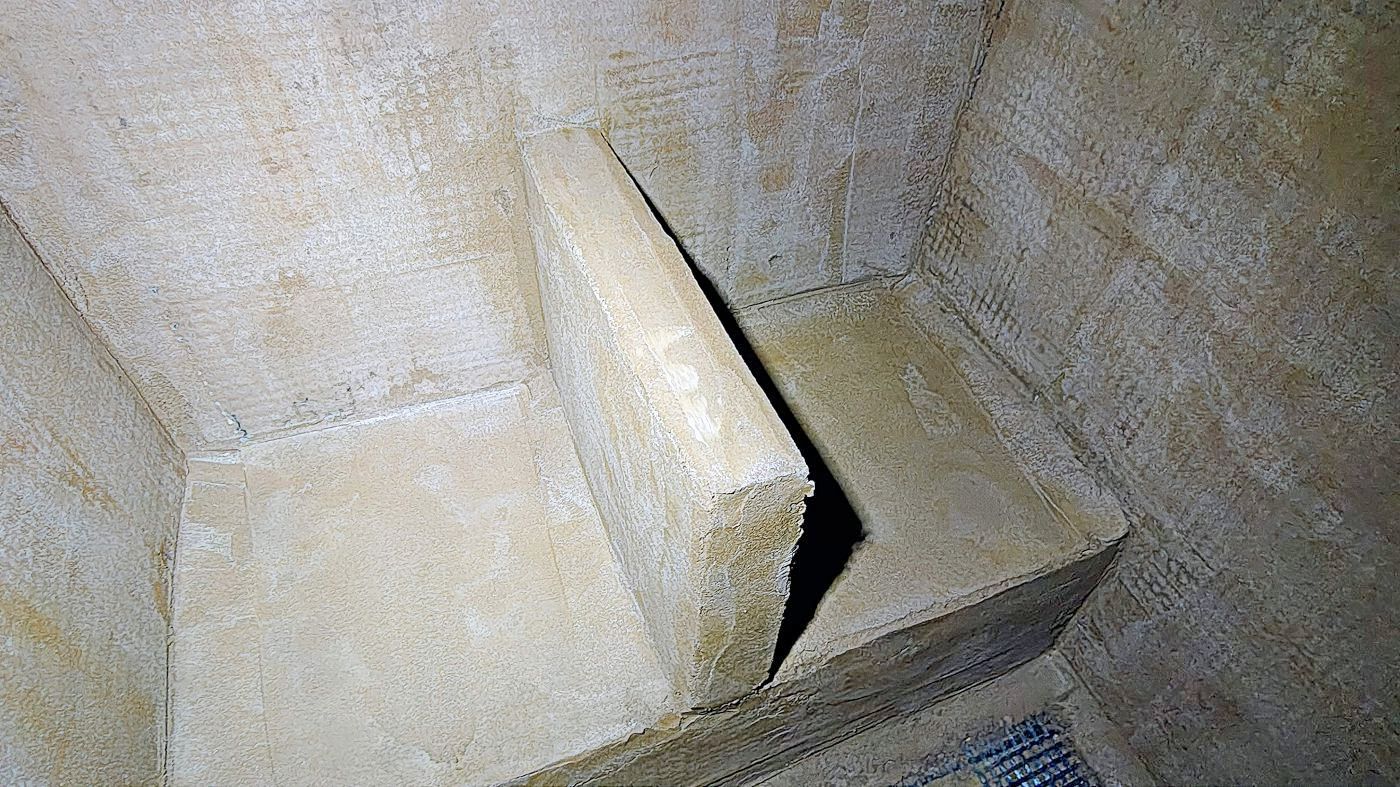
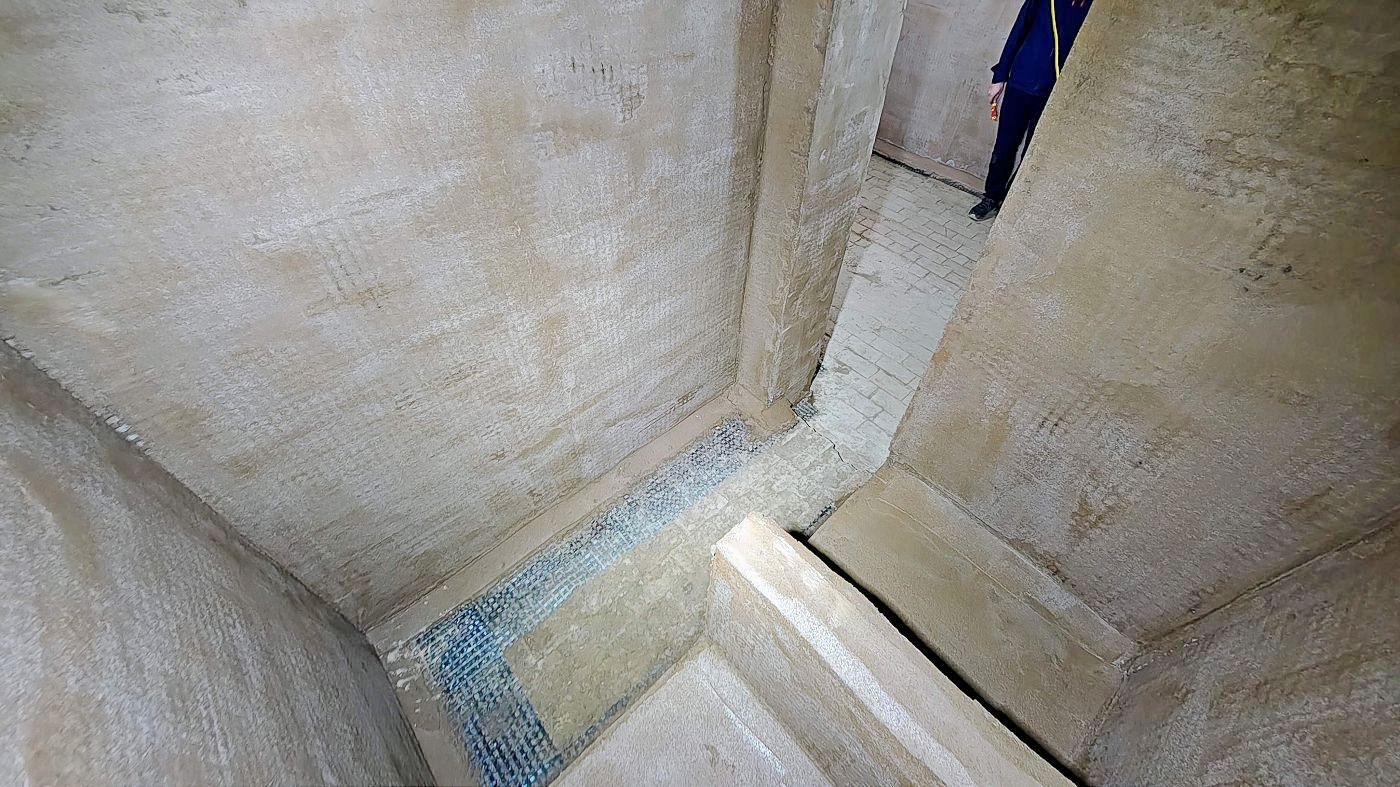
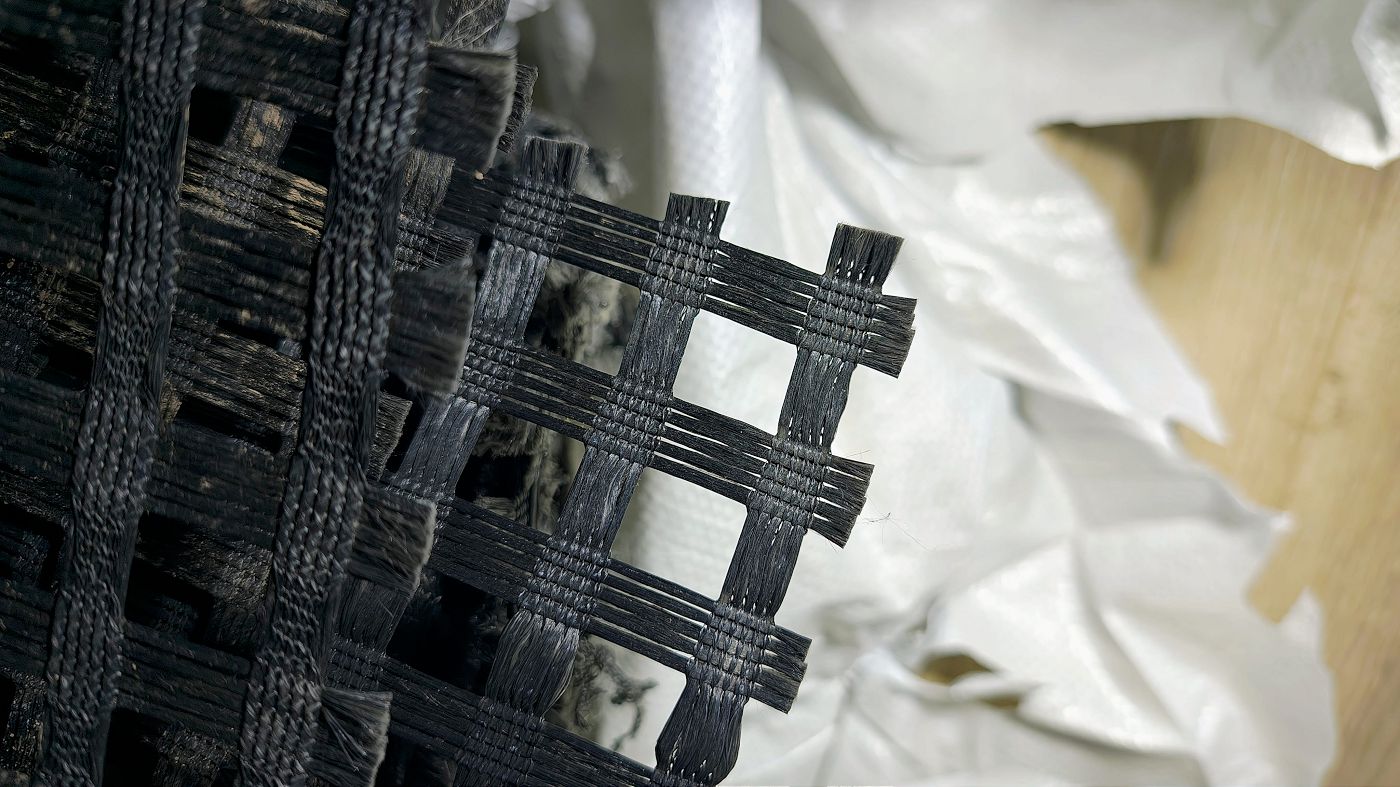
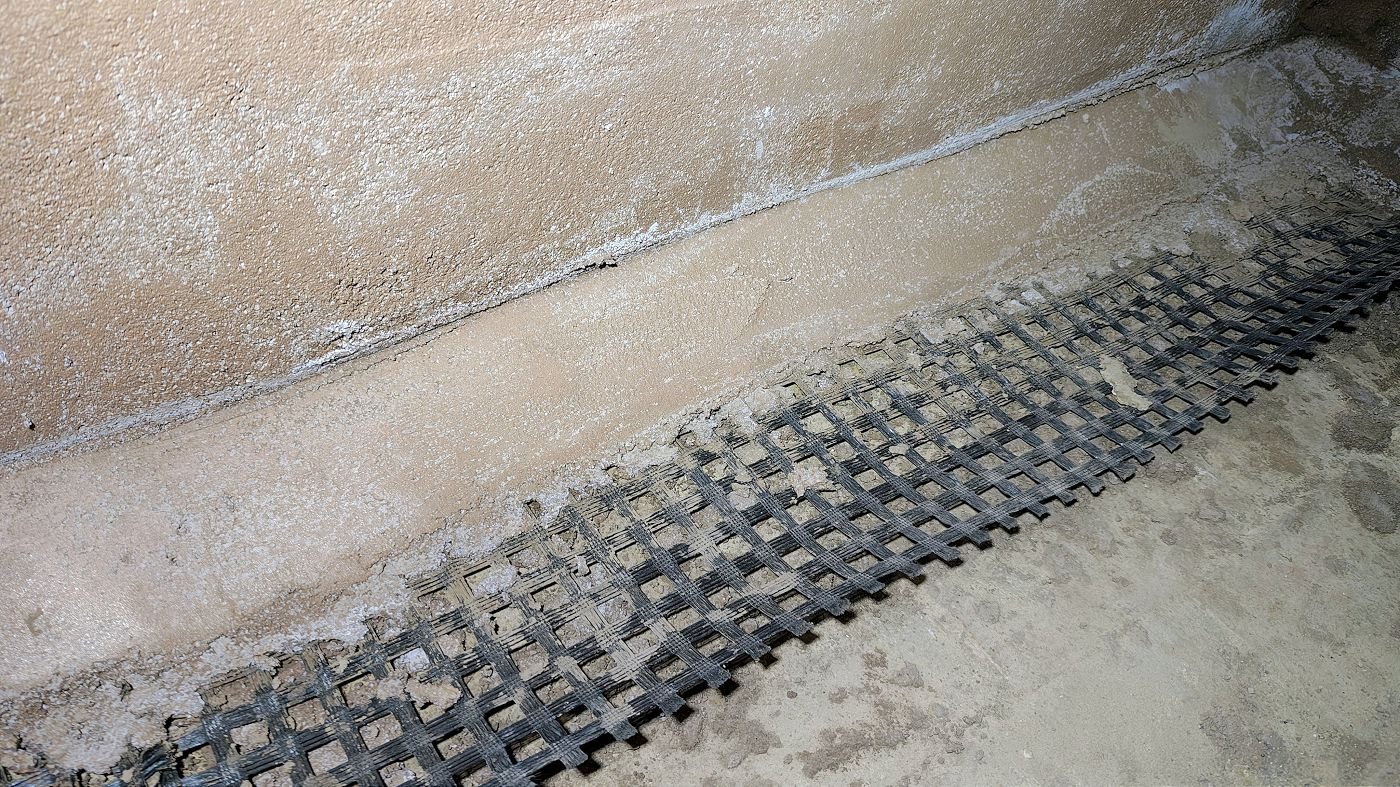
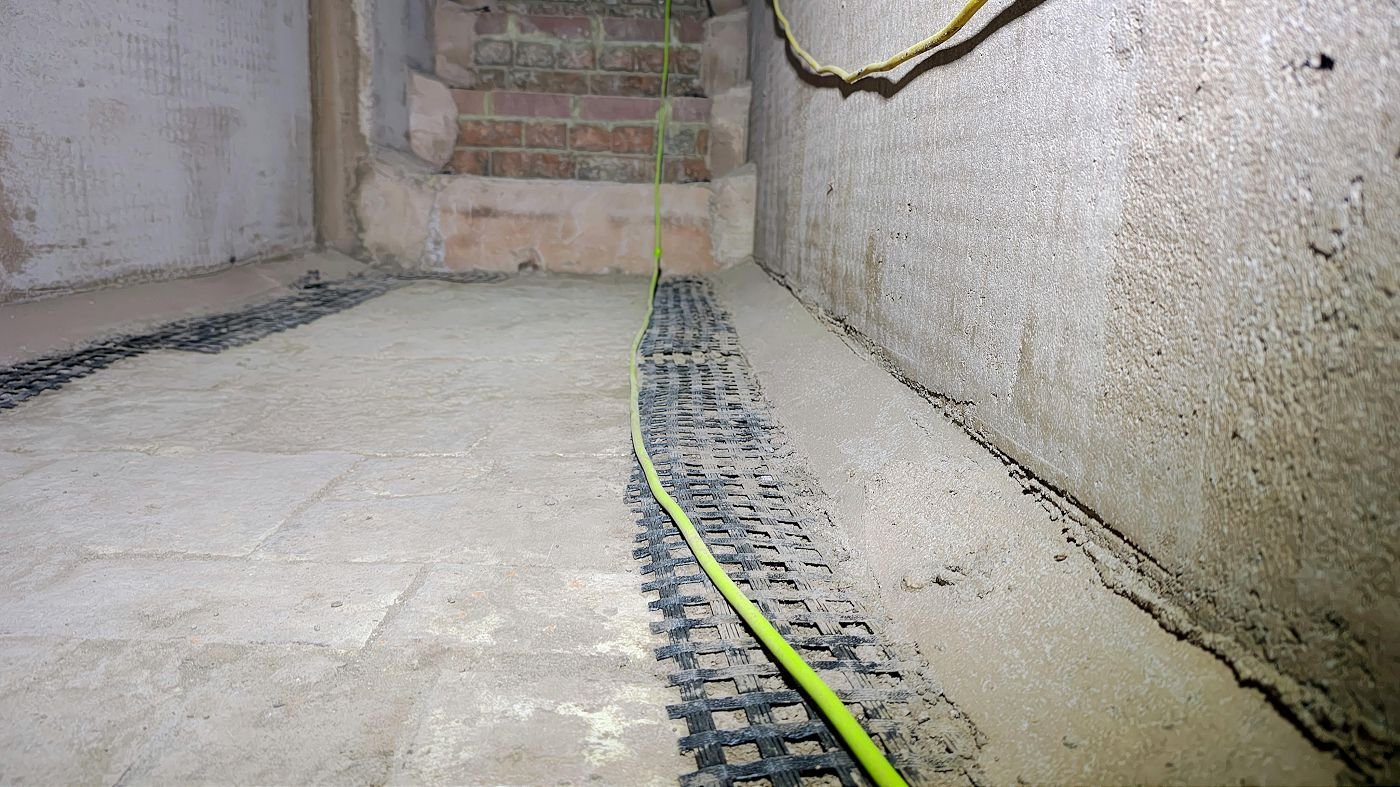
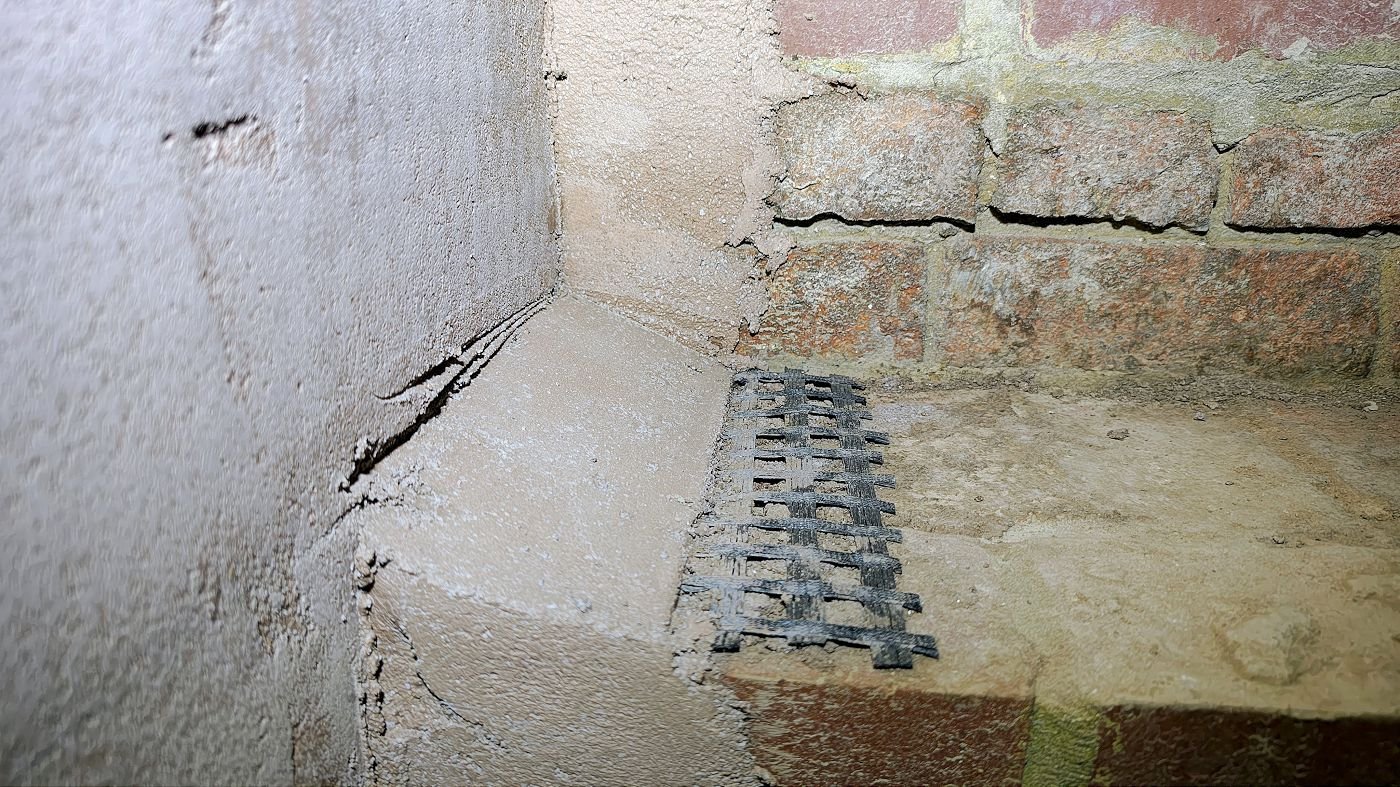
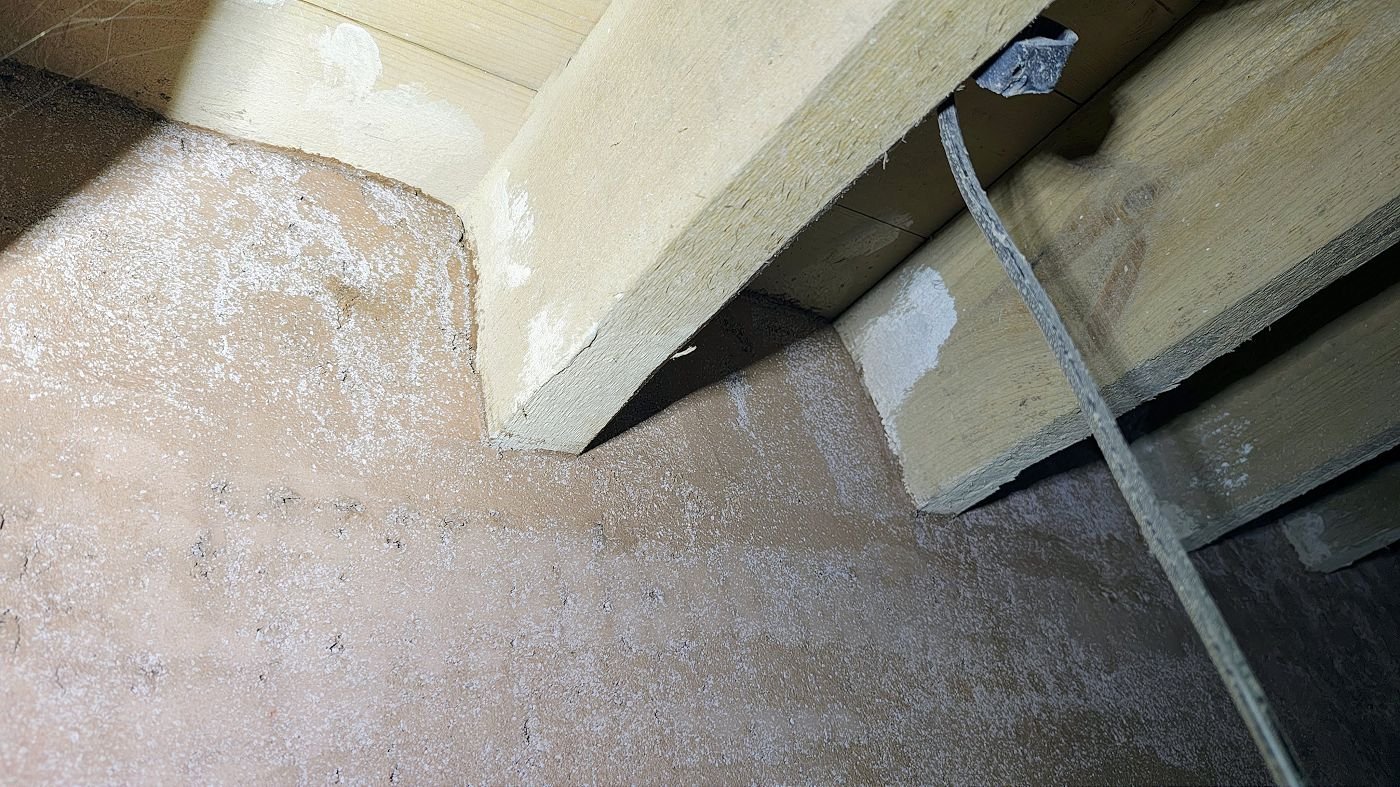
This old garage has been built into a hillside, with all of its walls fully underground. Over time, water began seeping through the mortar joints. The owners decided to address the dampness problem by replastering the garage walls and ceiling with the Roman lime waterproofing system.


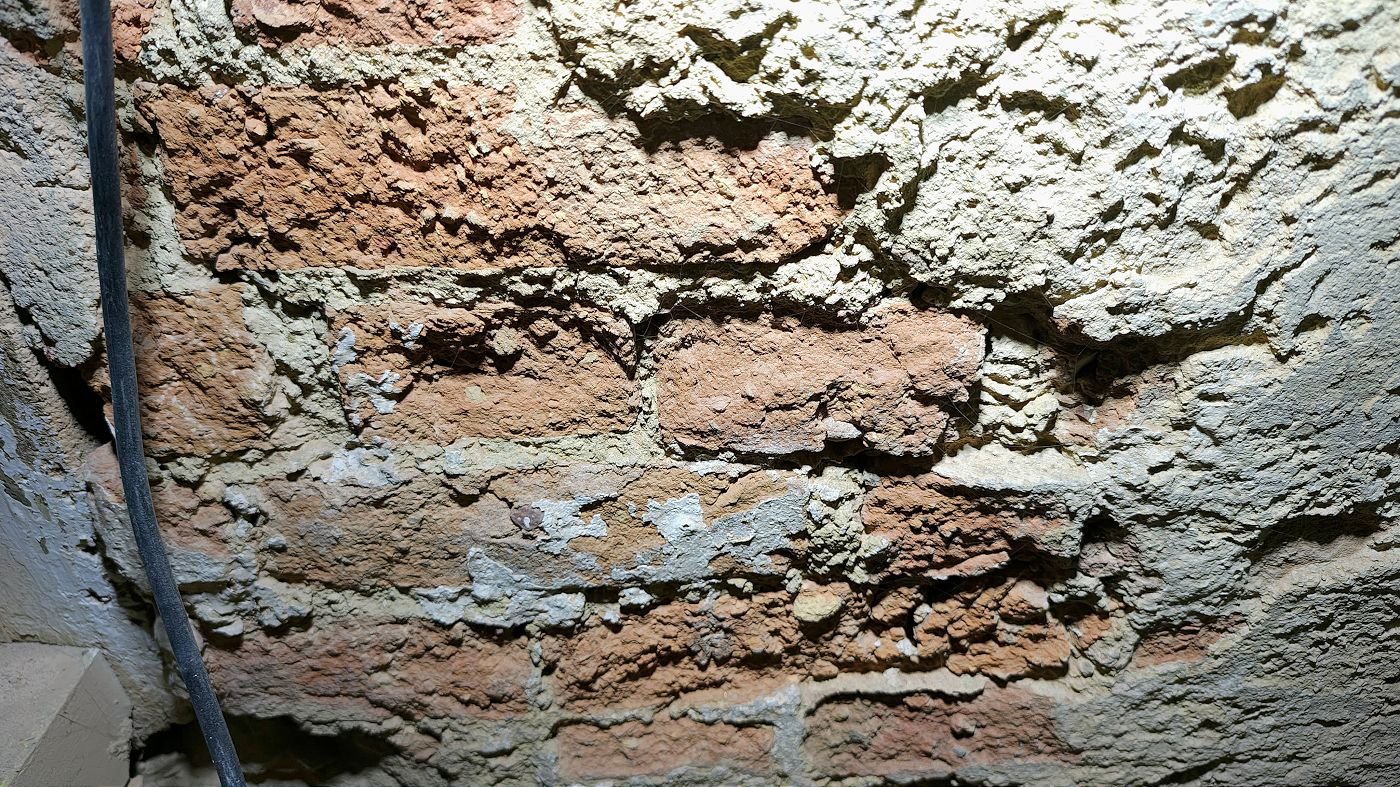
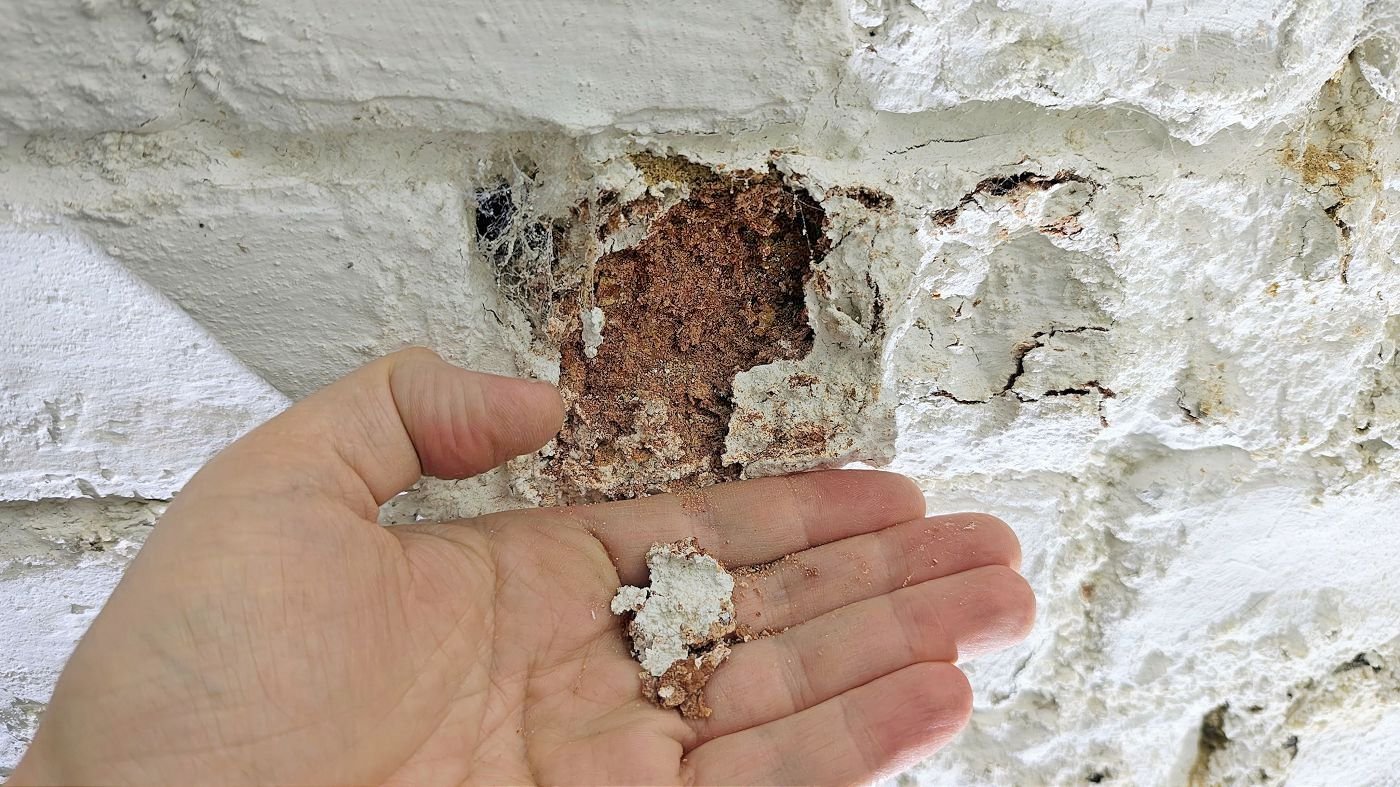
Here is an old cottage in a conservation area. Due to the poor condition of the cellar, the cellar space was unusable. The floors were just uneven compacted earth. The walls were damp, salty and the masonry was slowly crumbling and decaying.
As part of a whole-house renovation, the owners wanted to improve the condition of the cellar, the make it dry, stop the decay and to make it suitable for storing miscellaneous things.


Here are some other similar products of the same category (e.g. other main coats or finishes). Depending on your application, you could use these as alternative products.
Although all MGN plasters can be used on their own, in many applications they perform best when certain materials are applied together as a plastering system complementing and reinforcing each other.
Here are some other plasters which are recommended to be used with this one.