

RASACOL MGN is a high-performance lime-based plaster formulated with cocciopesto, designed for use as both a protective-decorative finish and a breathable adhesive in sustainable insulation systems.
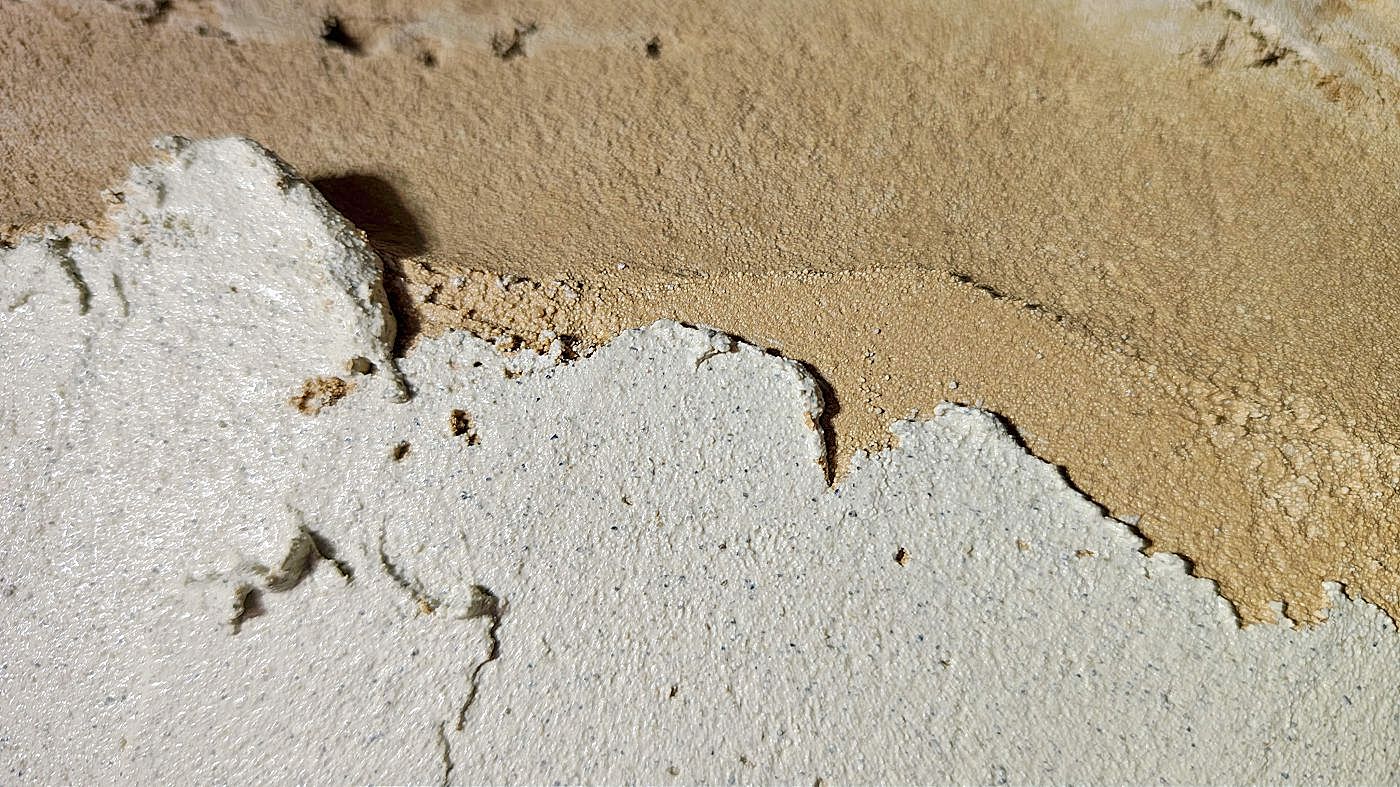
The plaster has excellent workability and a natural light brown to light pink colour, characteristic of cocciopesto. RASACOL MGN is intended for internal use only.
Rasacol MGN is a lime-based finish plaster enriched with cocciopesto, a finely ground brick powder that accelerates setting and improves mechanical strength. Its early set makes it especially suitable as a protective decorative finish over thermal insulation or lightweight lime plasters, which can otherwise remain fragile during curing. Applied in a thin, even coat on a properly prepared and slightly damp substrate, Rasacol MGN forms a dense, breathable surface that resists weathering while allowing natural vapor exchange.
Compared to regular lime finishes, Rasacol MGN offers several advantages: it provides faster drying and surface protection thanks to its early set, better resistance to erosion and microcracking, improved adhesion to porous substrates, and a more durable, cohesive surface. The cocciopesto component also enhances thermal and moisture buffering while giving the finish a rich, warm tone and refined texture that combine both beauty and performance.
Here is how to use the Rasacol MGN lime finish as a "lime glue" or mineral adhesive to fix rigid insulation boards, wall tiles or floor tiles to old walls:

For older plasters: remove mould and fungi by washing the affected areas with bleach or white vinegar. Eliminate dust, loose material, and any disintegrated sections. Tap the surface to ensure the remaining plaster is sound and well-bonded. Where the masonry is uneven, level the deeper areas with Rasacol MGN applied in one or two coats, depending on the degree of irregularity. If required, embed a fibreglass mesh between the two levelling coats for additional stability.
If the masonry is damp or salty, apply the Rinzaffo MGN Roman lime base coat over the masonry (under the Rasacol) to protect the insulation and to keep it dry.
For newer plasters: if the substrate is in good condition, simply dampen the wall surface before application to prevent the plaster from drying too quickly.

Mix the Rasacol MGN plaster with clean water only (5-6 litres per 20 kg bag), until a homogeneous and creamy mixture is obtained.

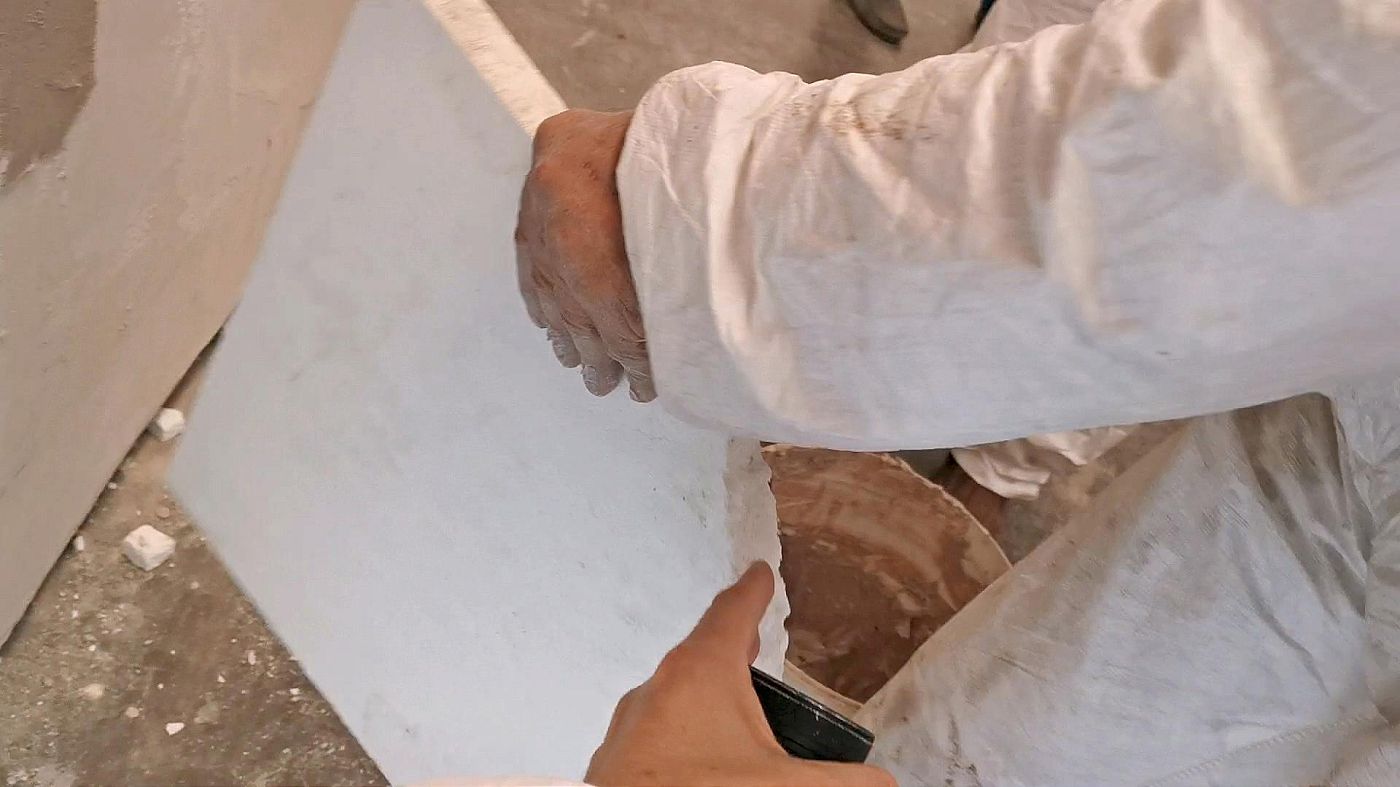
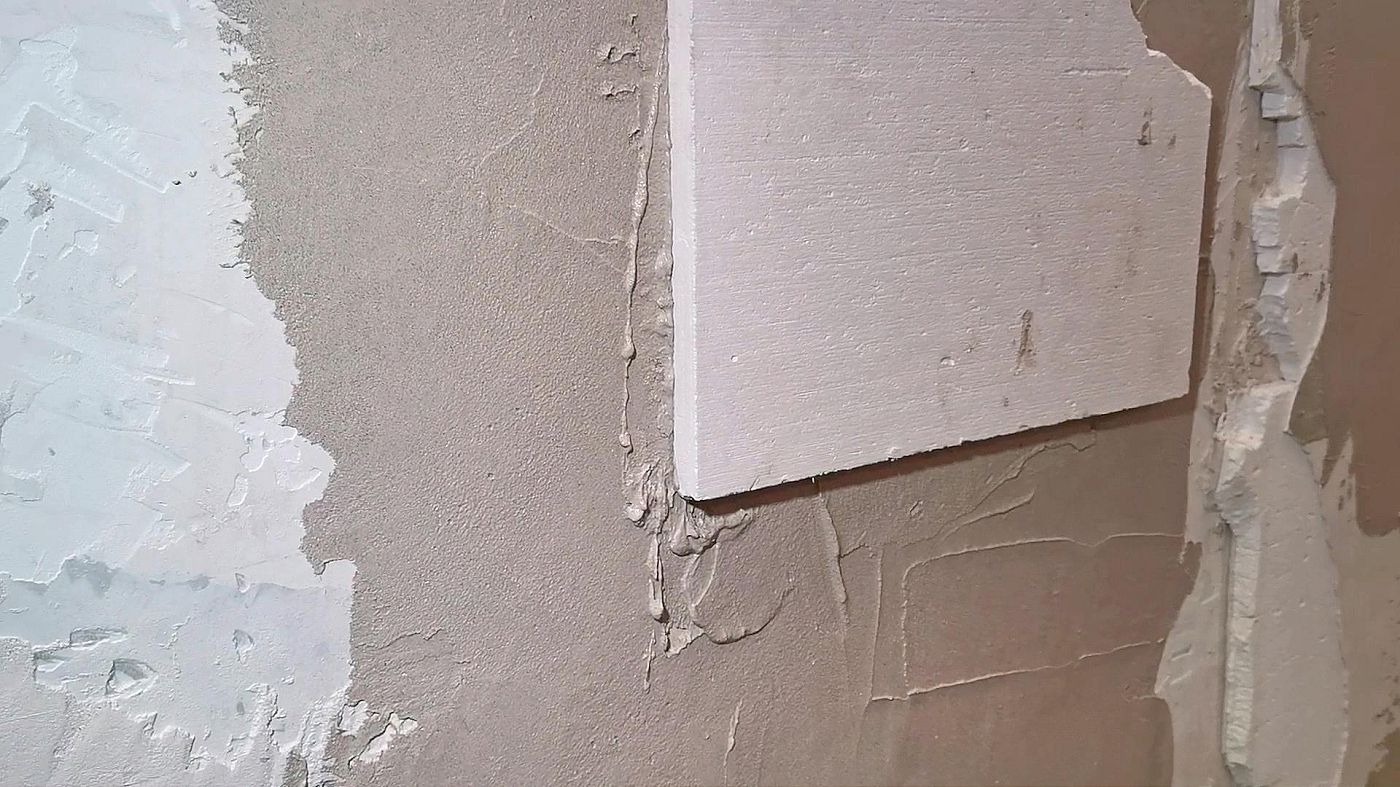
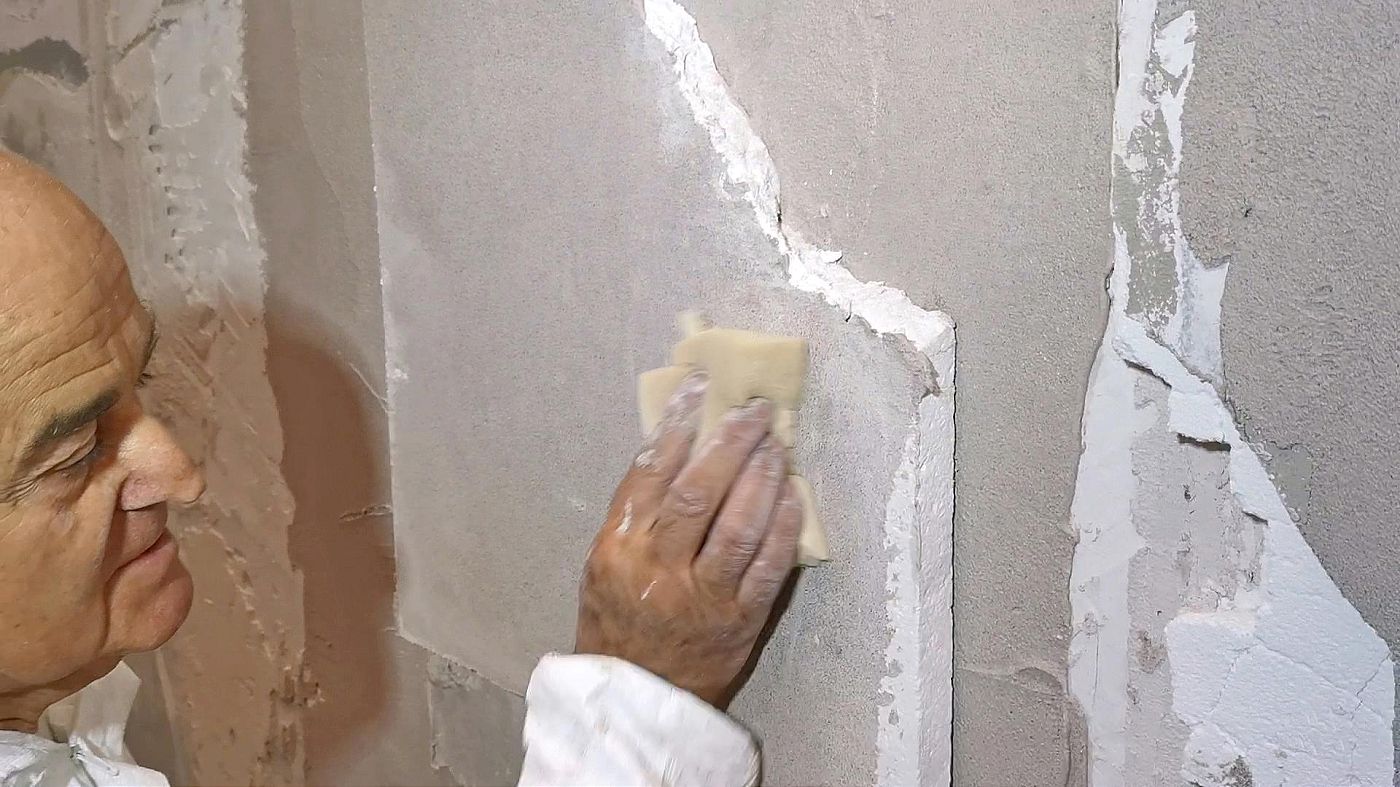
Wet the thermal (e.g. calcium silicate) panels with a sponge or a brush, then spread a layer of Rasacol MGN with a notched trowel, taking care to distribute it over the entire surface of the panel.
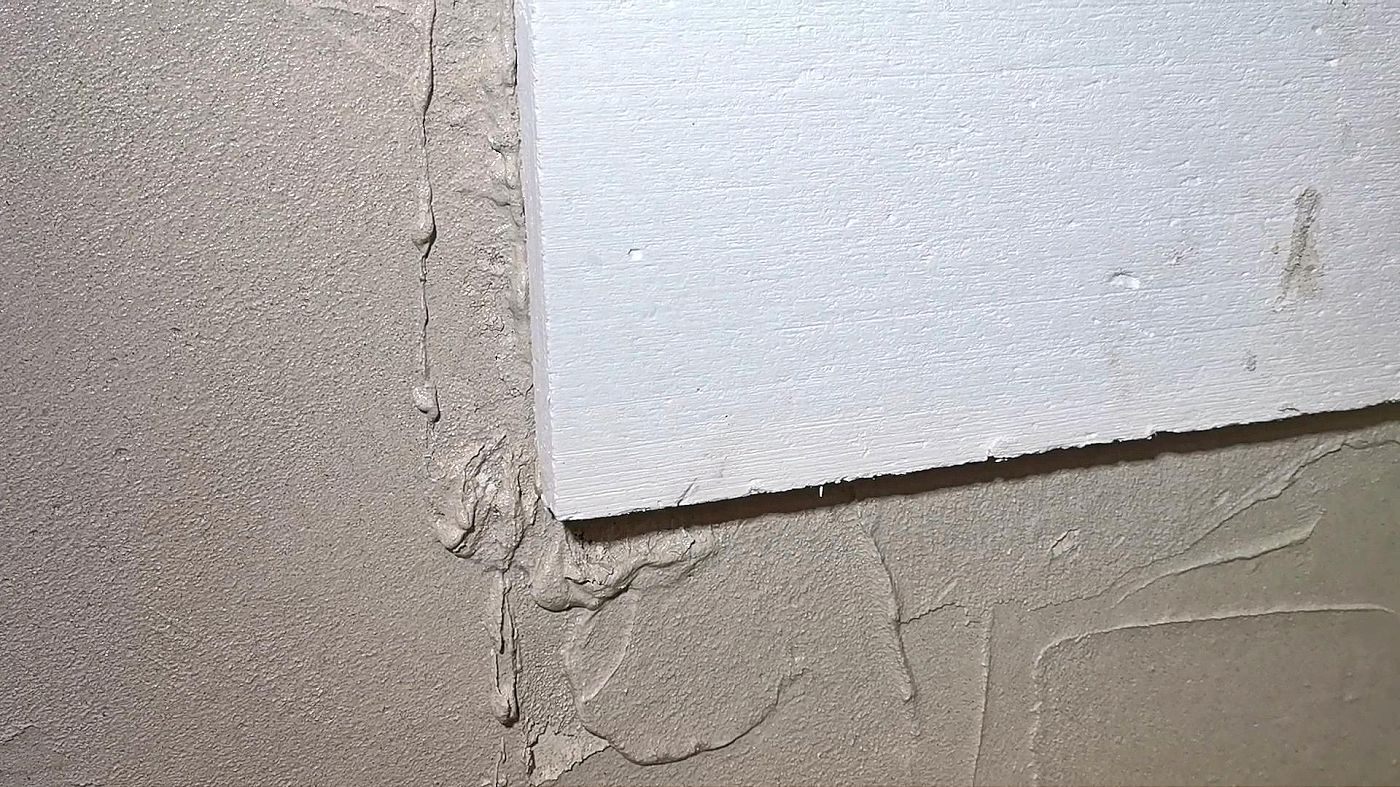
If the underlying wall is flat, spread the RASACOL MGN plaster "adhesive" over the entire surface of the panel in 5-10 mm thickness using a notched trowel.

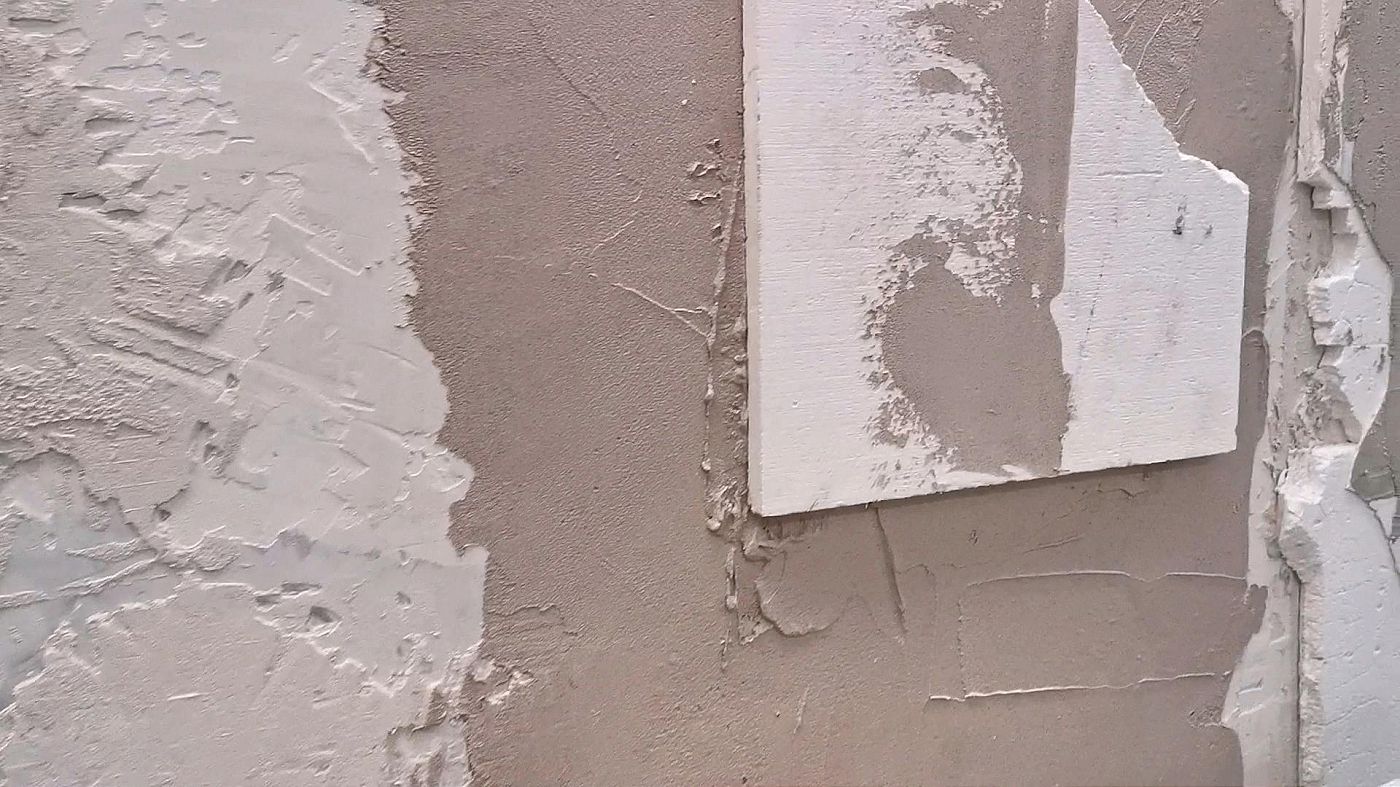
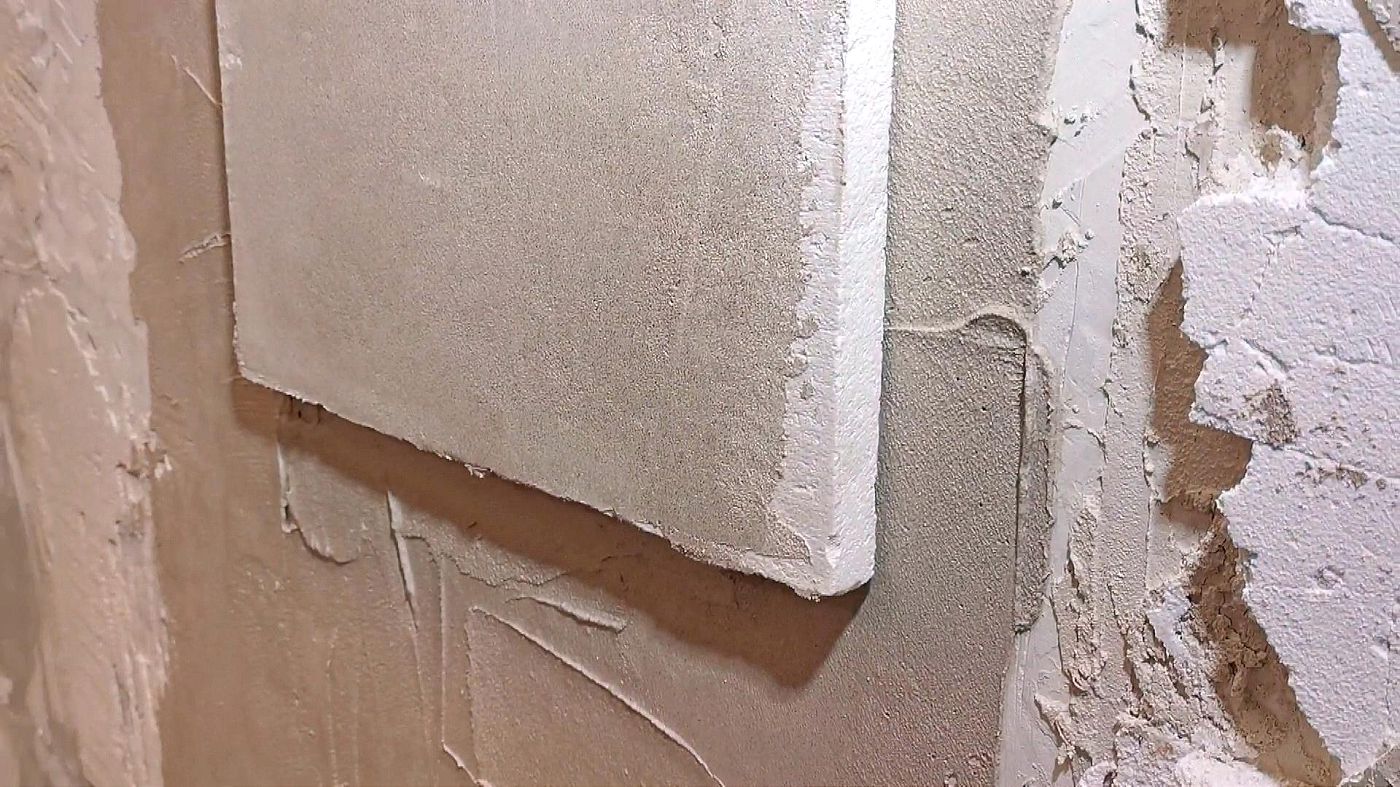
If the underlying wall has significant irregularities, apply a few cm wide plaster strips along all 4 edges of the panel. Additionally, apply 10-20 mm tall blobs of plaster internally so the plaster covers at least 70% of the panel.


Wet the wall surface before the application of the plaster to prevent its too fast drying.
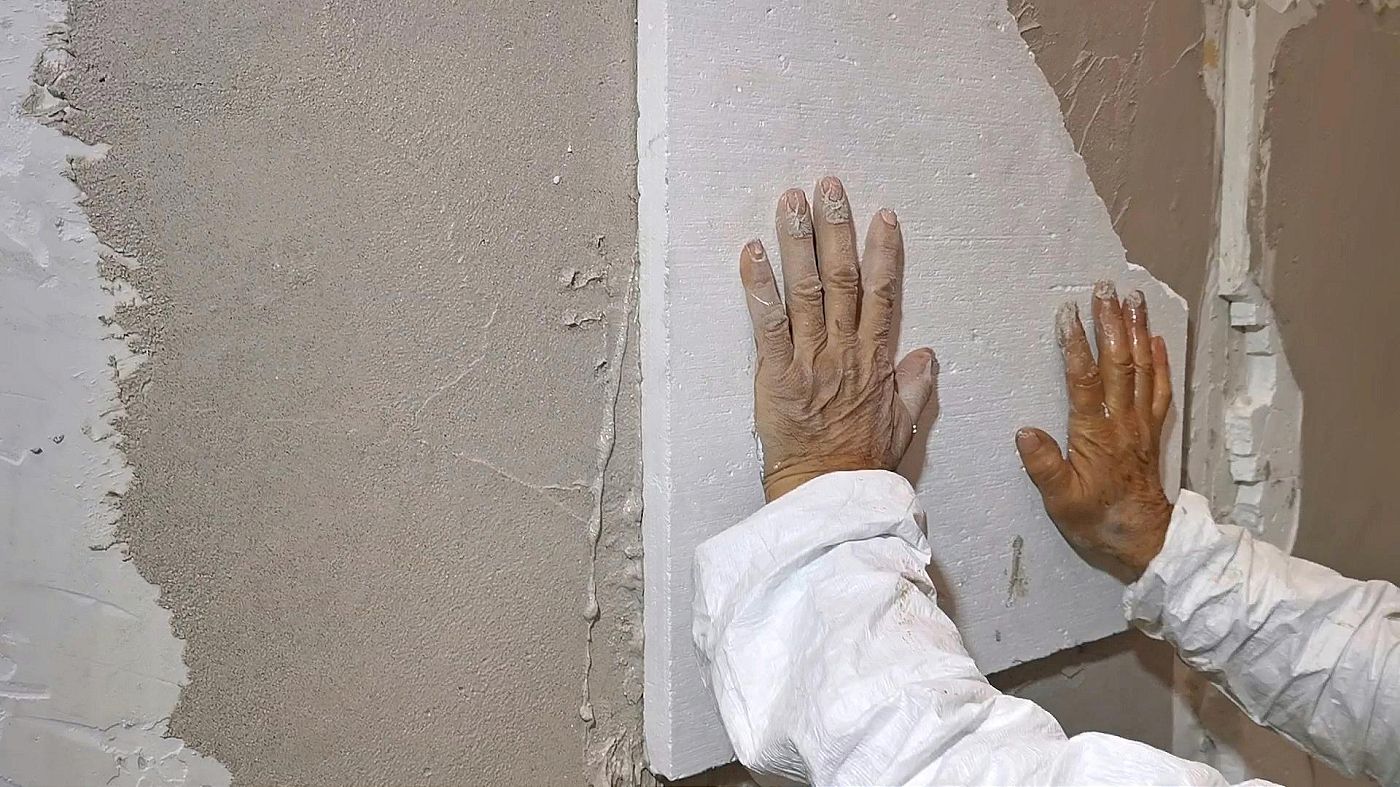
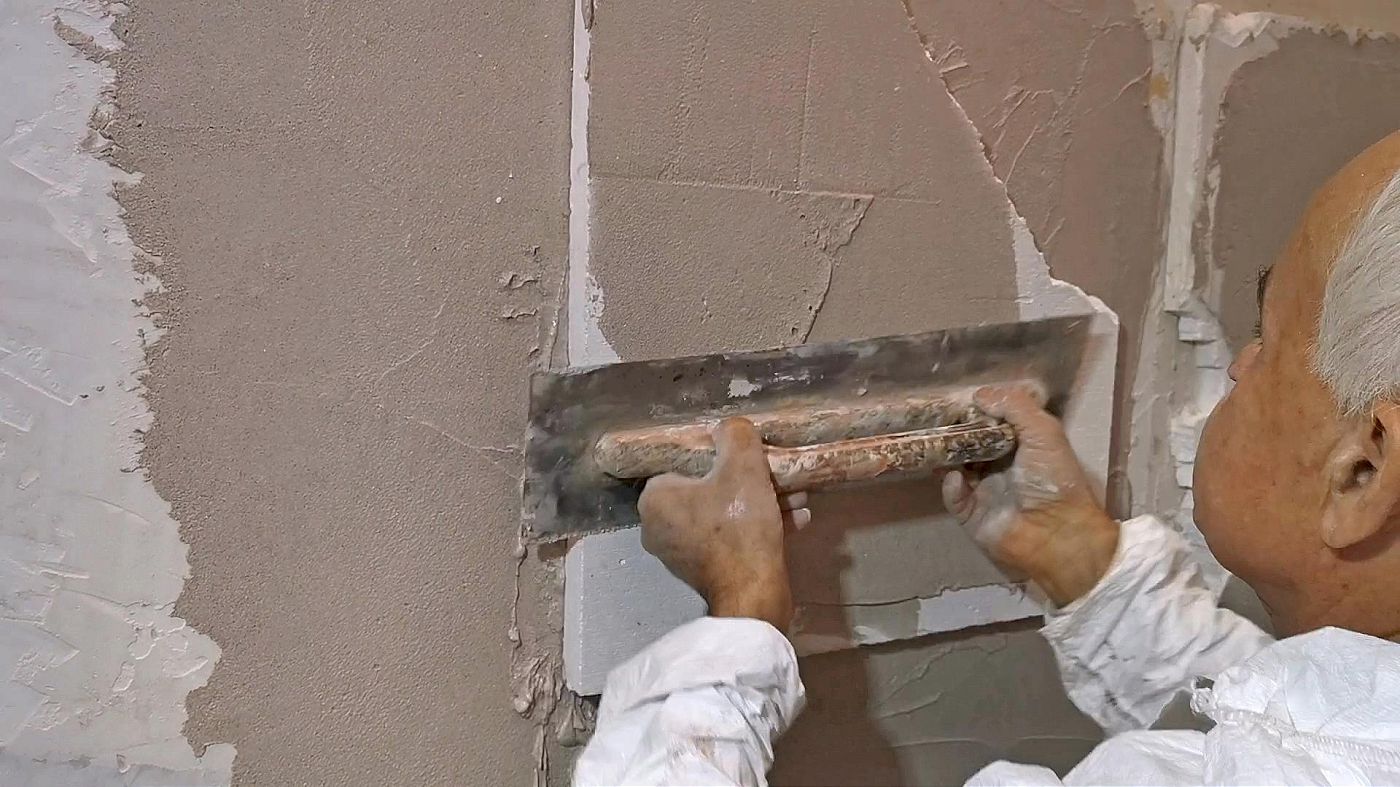
Wall application: lay the thermal panels onto the wall by applying the right pressure onto the entire surface, making sure it adheres well to the support.
Ceiling application: on ceilings, in addition to lime plastering, the panels must also be bolted / screwed.

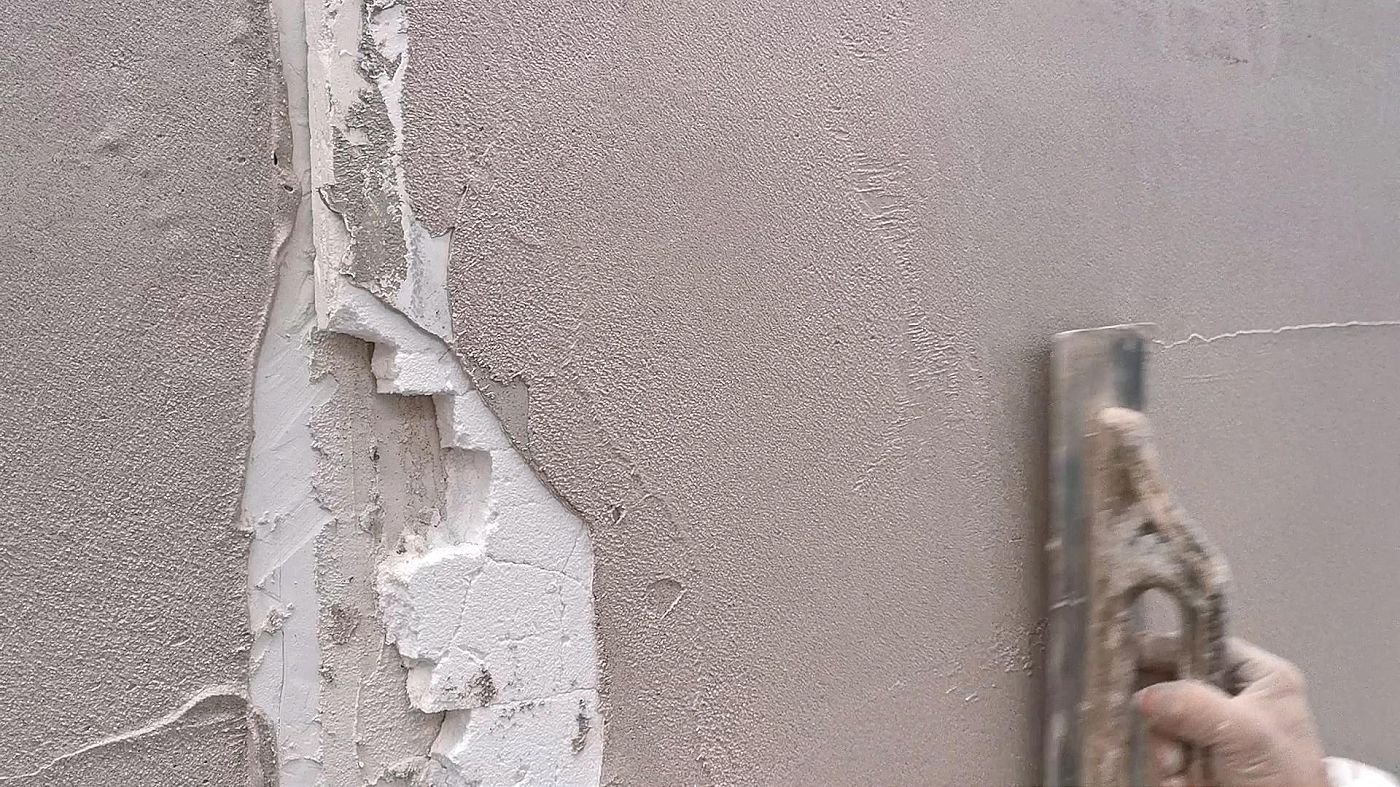
Once the panels have been installed, apply two 2-3 mm coats of Rasacol MGN with an fibreglass mesh in-between the coats. The first coat to regularize and level the surface, the second coat to finish it.
The finished surface can be further customized with other finishes such as the CALCINA FINE MGN (white finish), INTONACHINO ARENINO MGN (coloured finish) or MARMORINO MGN (Venetian Marmorino finish), or painted with a breathable mineral paint.
Here are the recommended work specifications for this plaster.

[4 mm] Lime finish applied as:
Here are some key technical points about how to apply this material correctly. Please have the applicators read / watch the application instructions below before applying the product.
APPLICATION VIDEO:
APPLICATION INSTRUCTIONS:
Here are some key technical documents (spec sheets, application guide etc.) about this plaster.
If you have any questions about a project, a problem, a solution, or any of our plasters - please get in touch.
We understand that each project is unique. Using the contact form below feel free to ask us any question. Give us as much detail as you can about your project so we can get back to you with more relevant answers.
Here are some of our projects using this plaster:
This material can be used in the following applications or solutions:
Here are some photos demonstrating this solution. Click on any image to open the photo gallery.
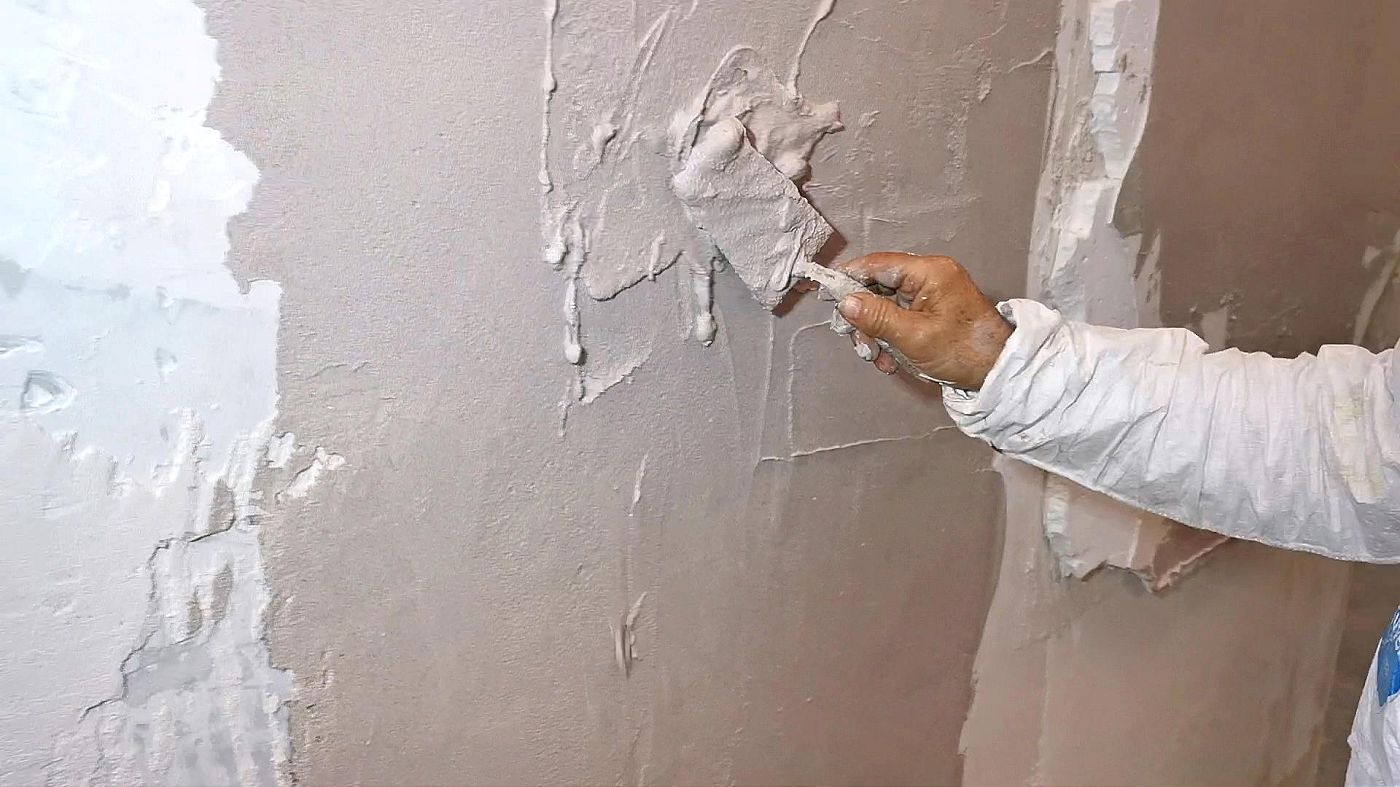
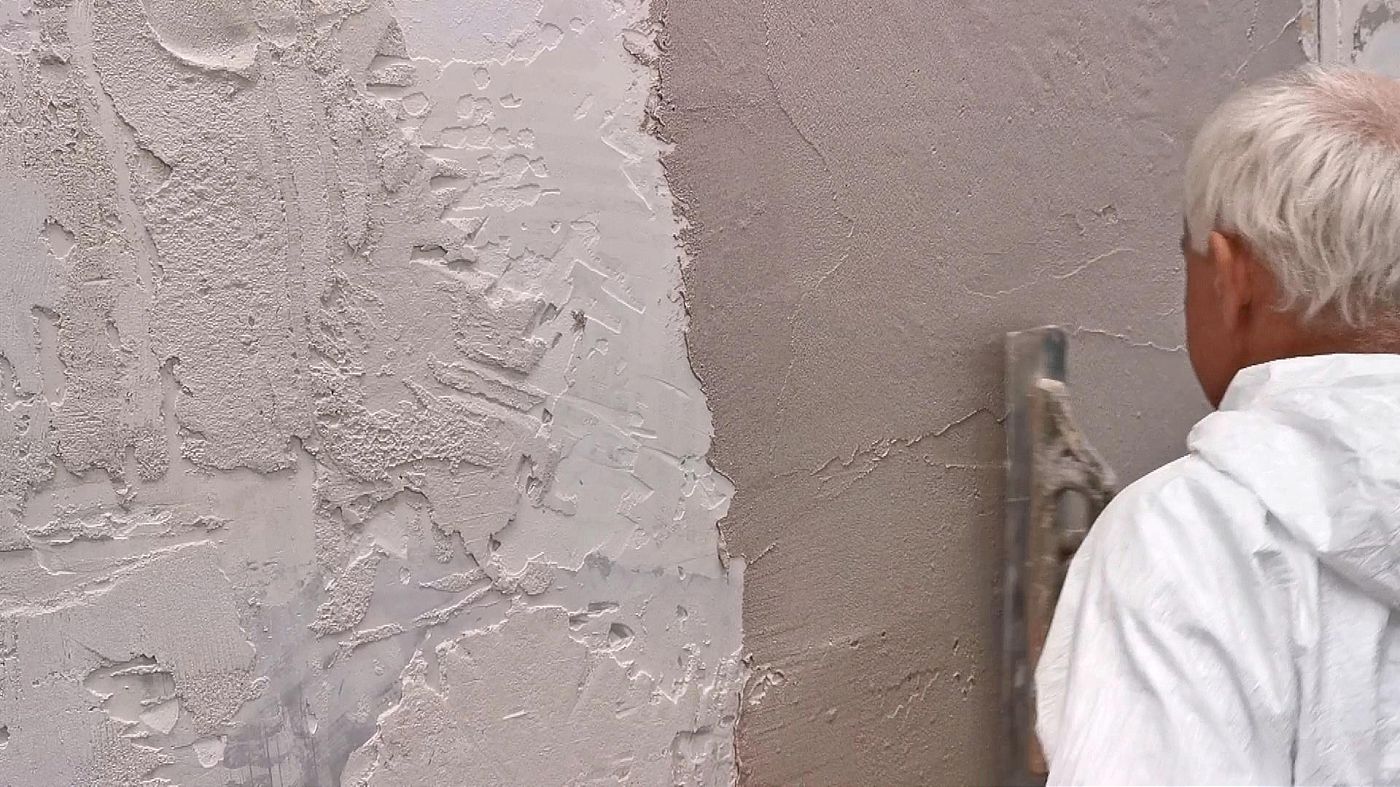
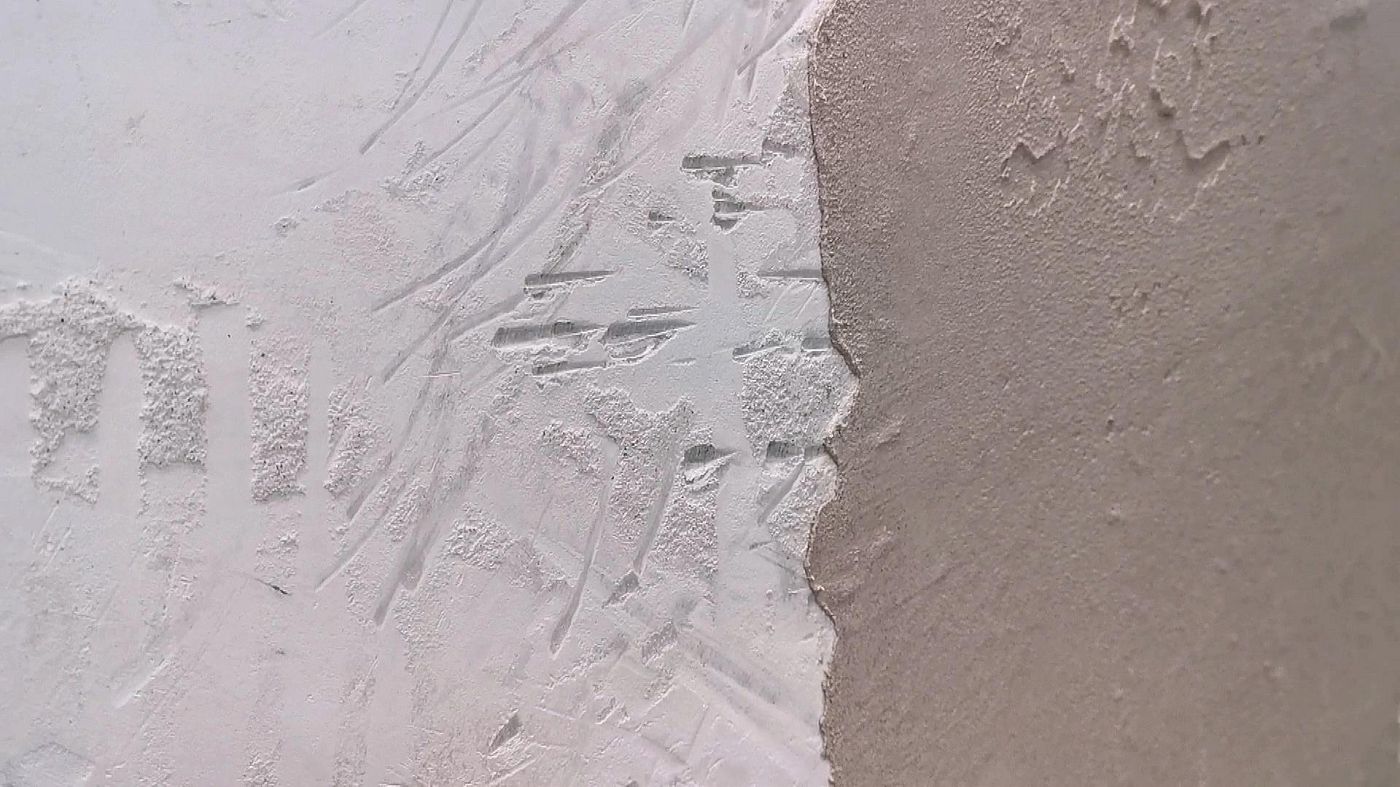
Here is an application example of Rasacol MGN lime plaster directly onto calcium silicate insulation panels, first as a mineral adhesive and then as a finishing plaster.
The Rasacol is a heritage-appropriate composite lime mortar, formulated with natural air lime, some hydraulic lime (NHL 3.5), cocciopesto (brick dust) and natural pozzolans. This combination gives it a dual hardening mechanism — hydraulic and pozzolanic — allowing it to gain early strength reliably while remaining vapour-open and compatible with damp historic masonry.
It forms a continuous, breathable, capillary-active system. It bonds securely without synthetic resins, tolerates moisture during curing and by buffering humidity at the insulation interface, protects and keeps the insulation material dry — a critical zone in traditional buildings.
This timber-frame cottage, situated in a conservation area, is around 400 years old. The project involved the replastering and thermal insulation of the cottage with breathable lime plasters.


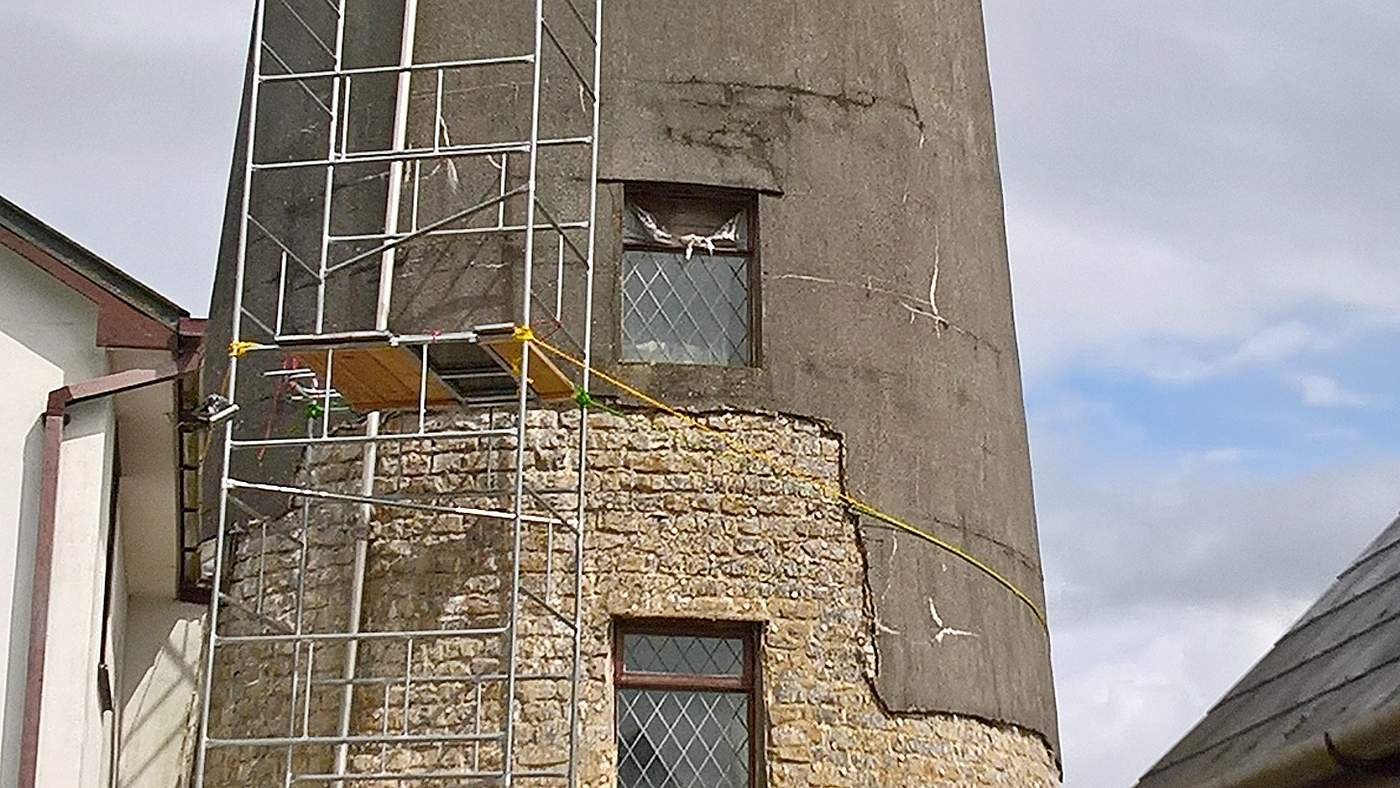
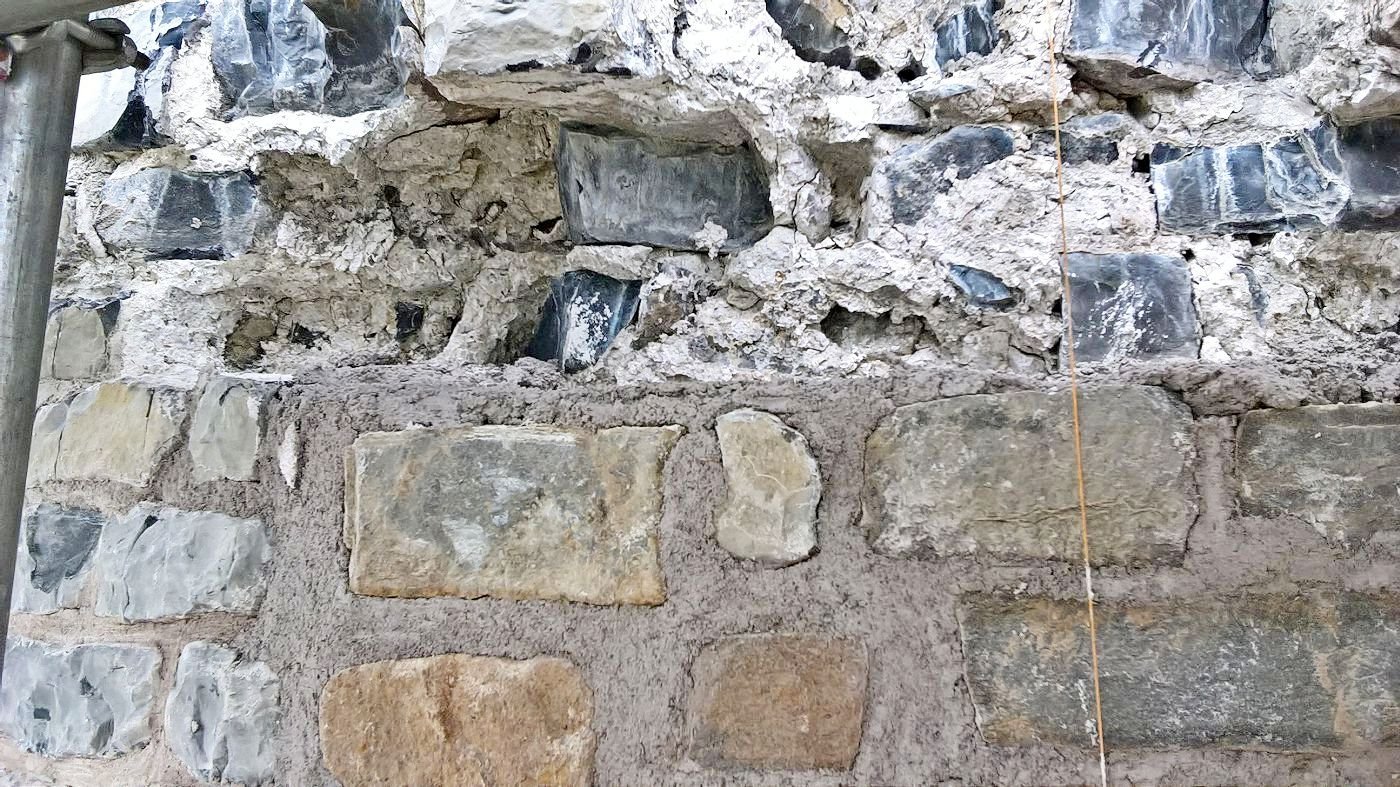
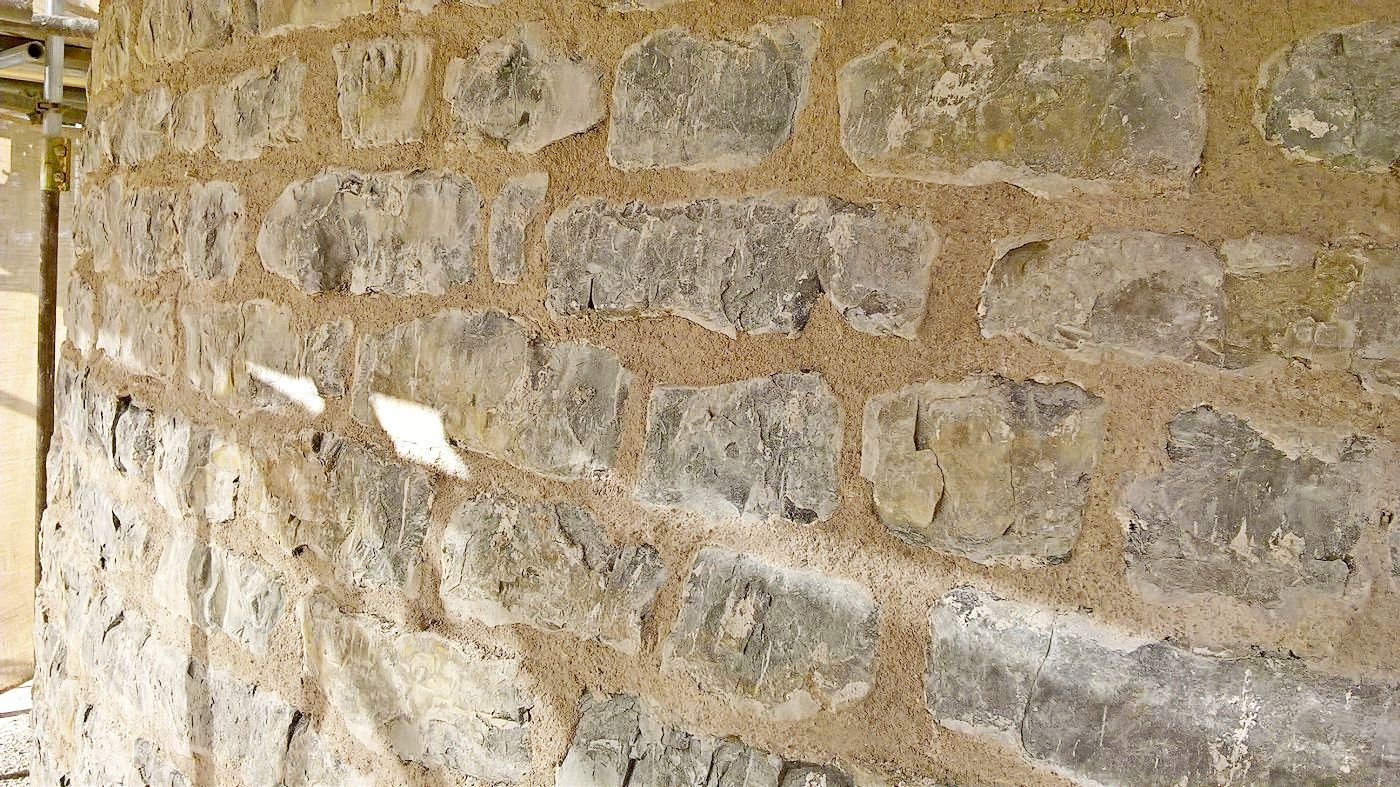
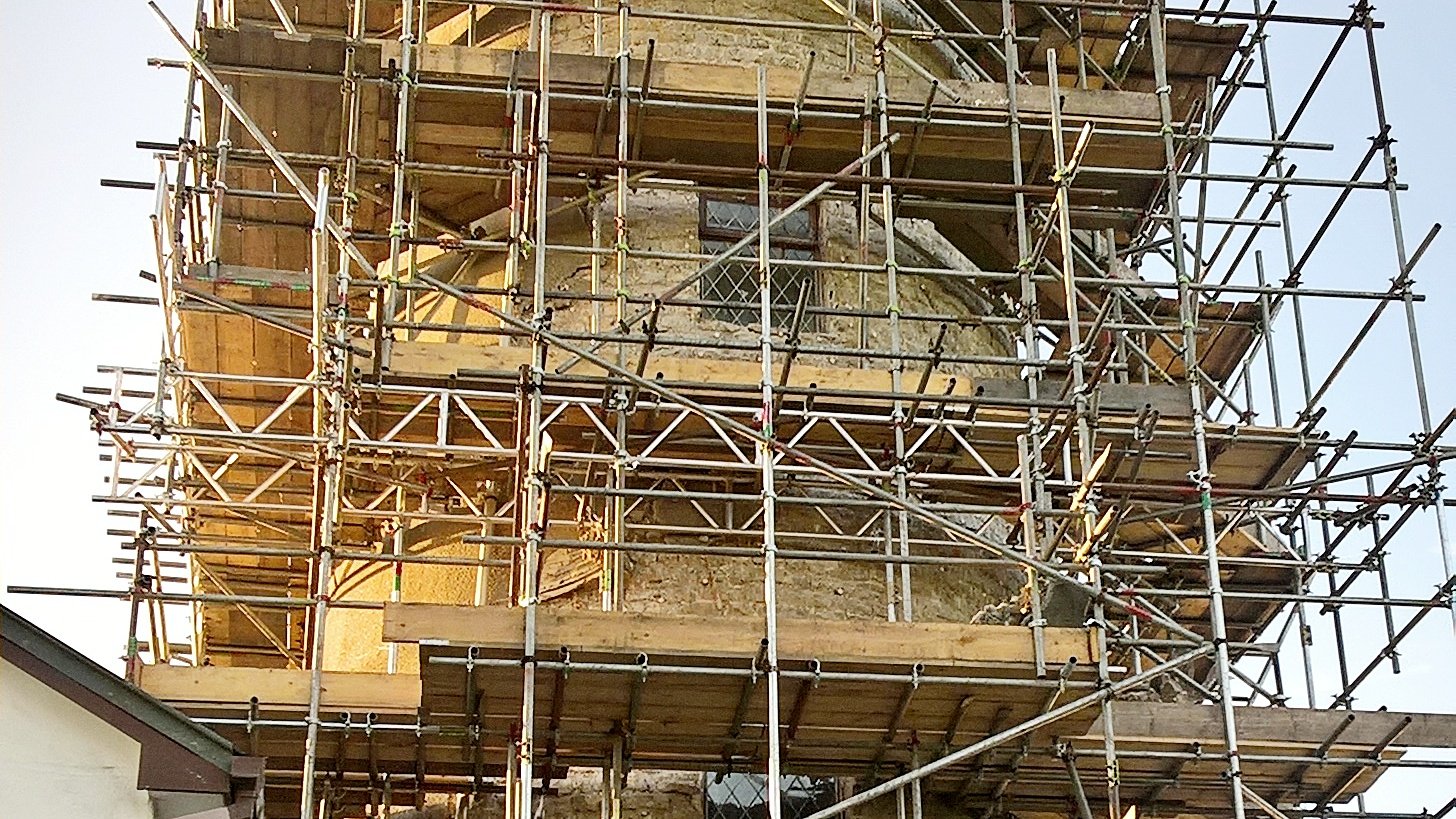
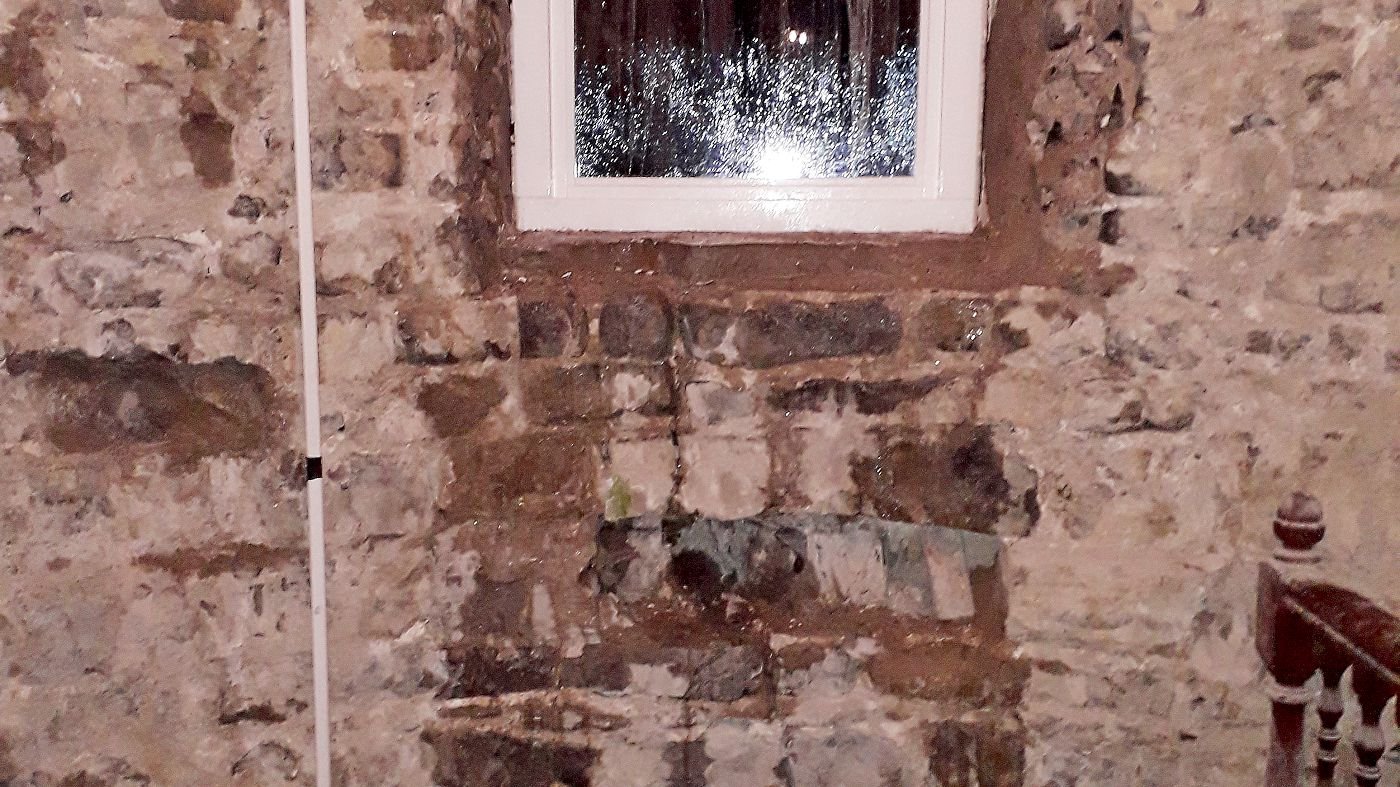
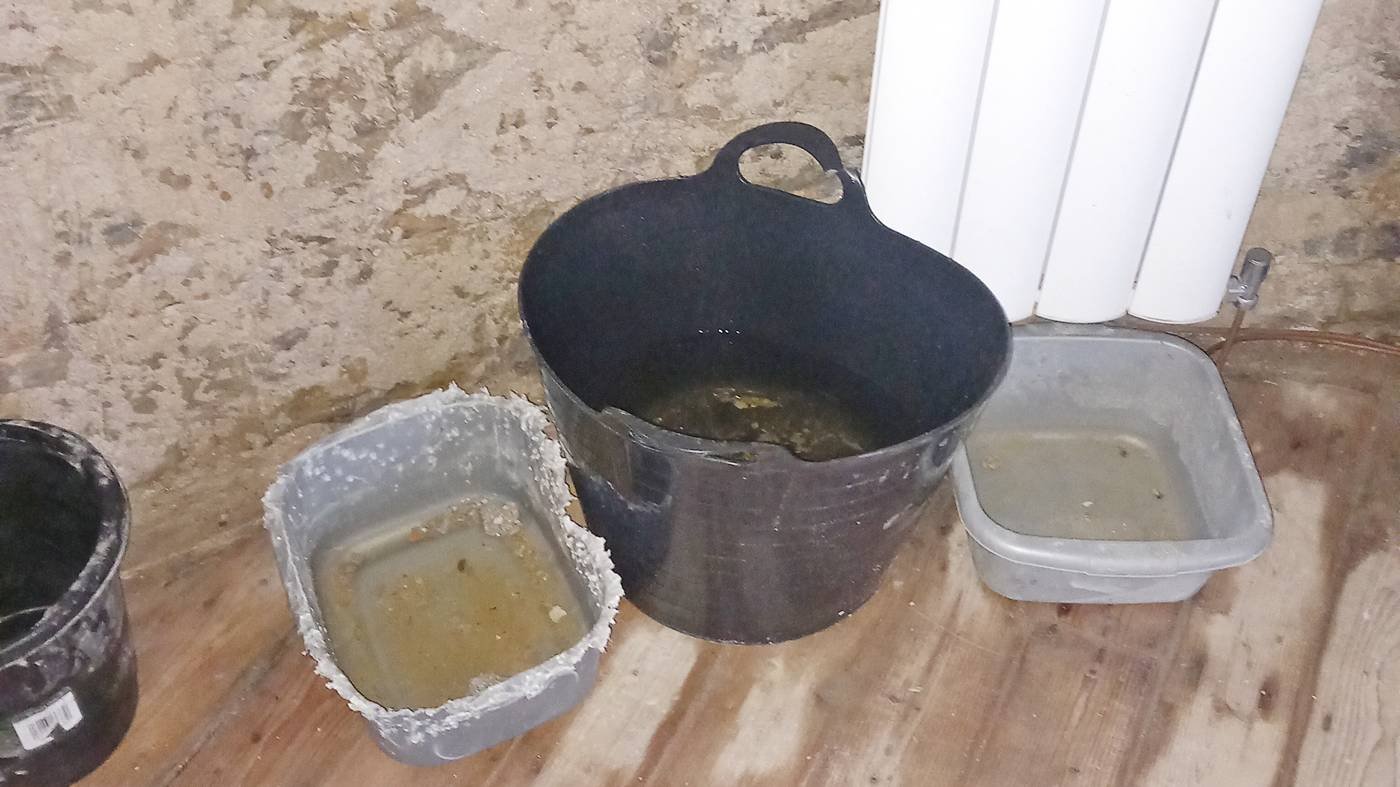
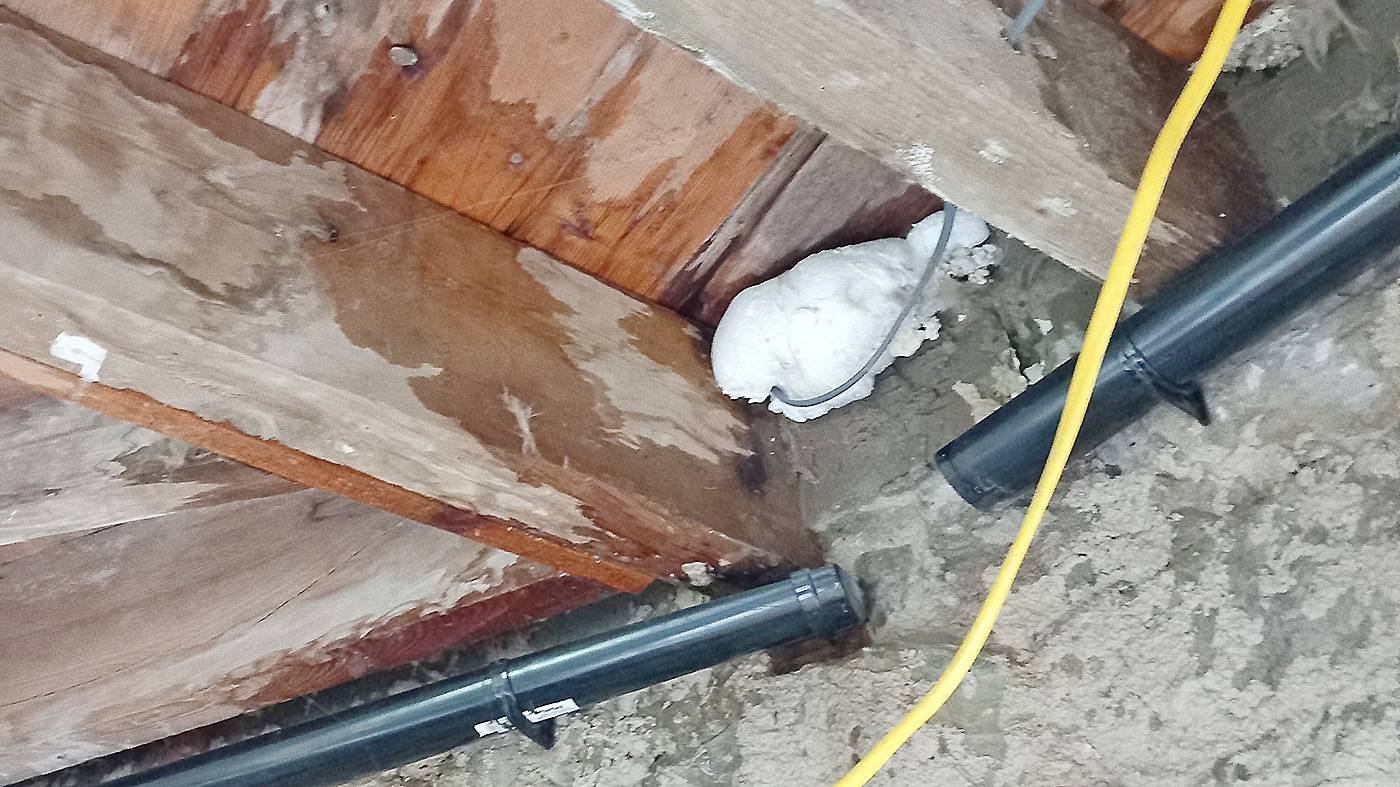
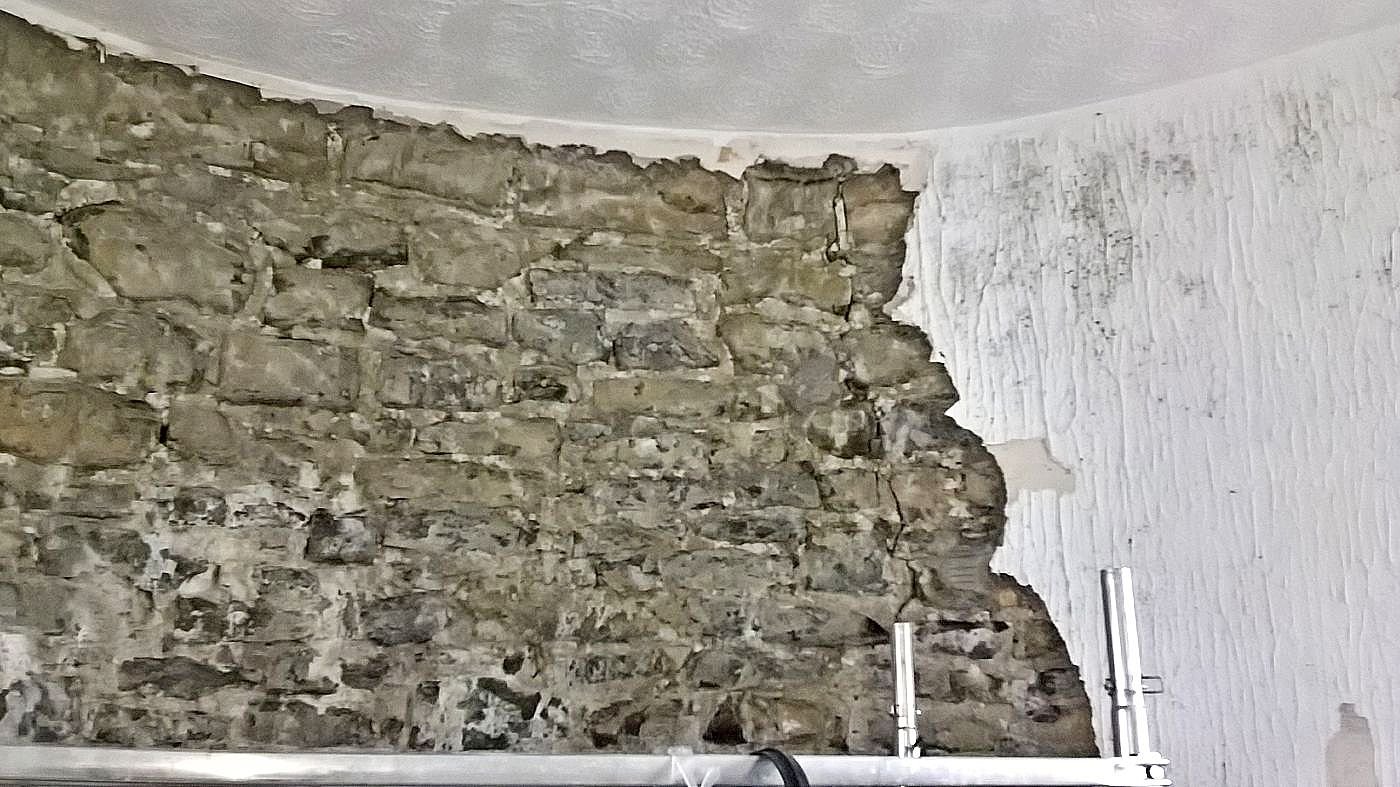
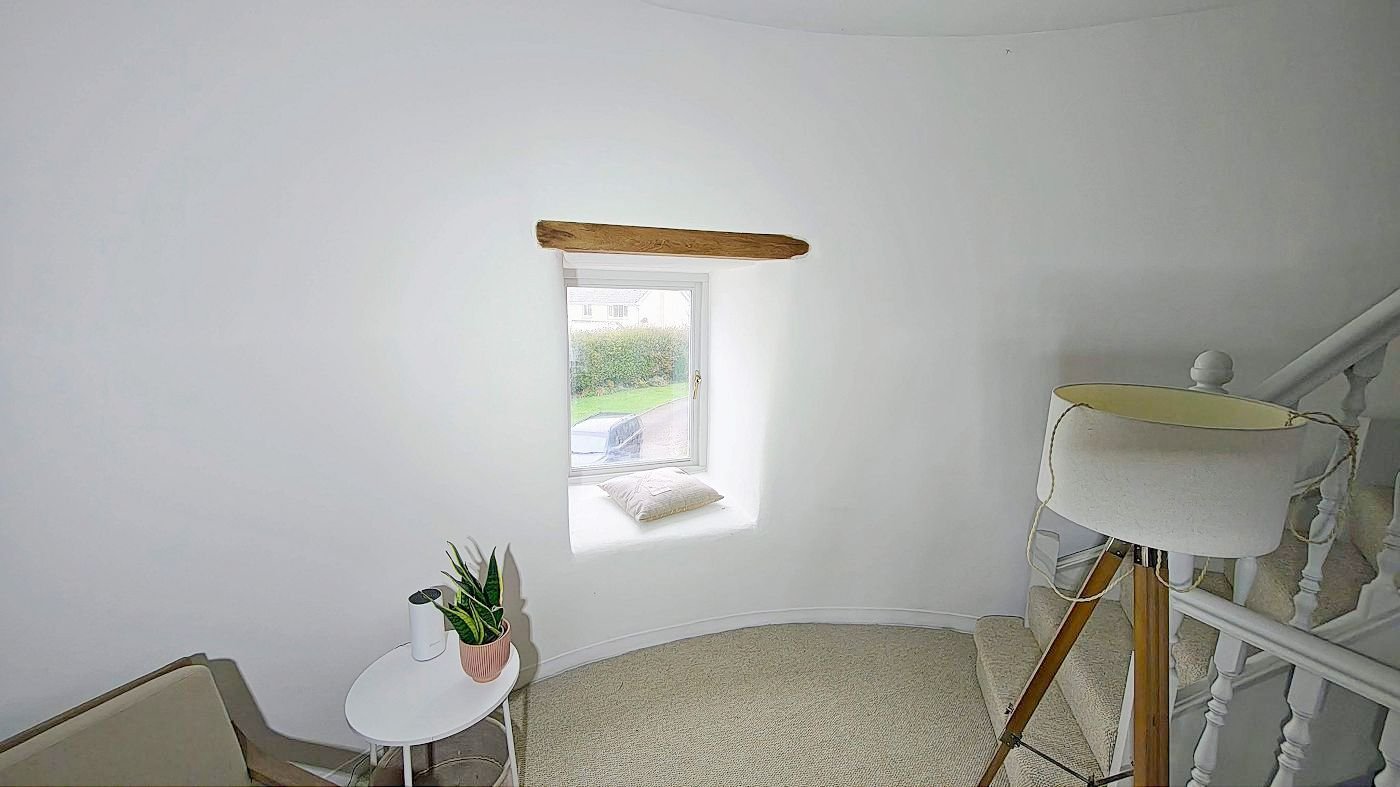
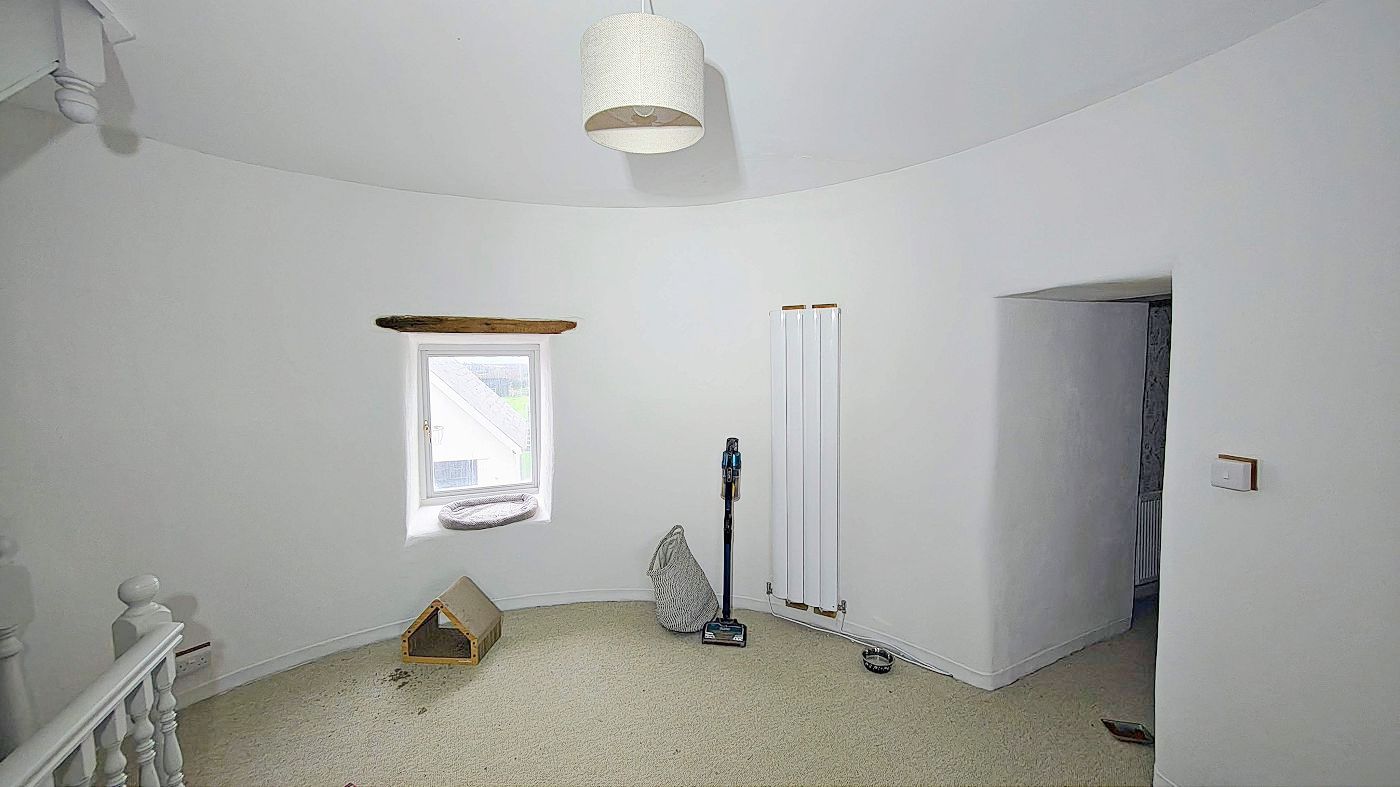
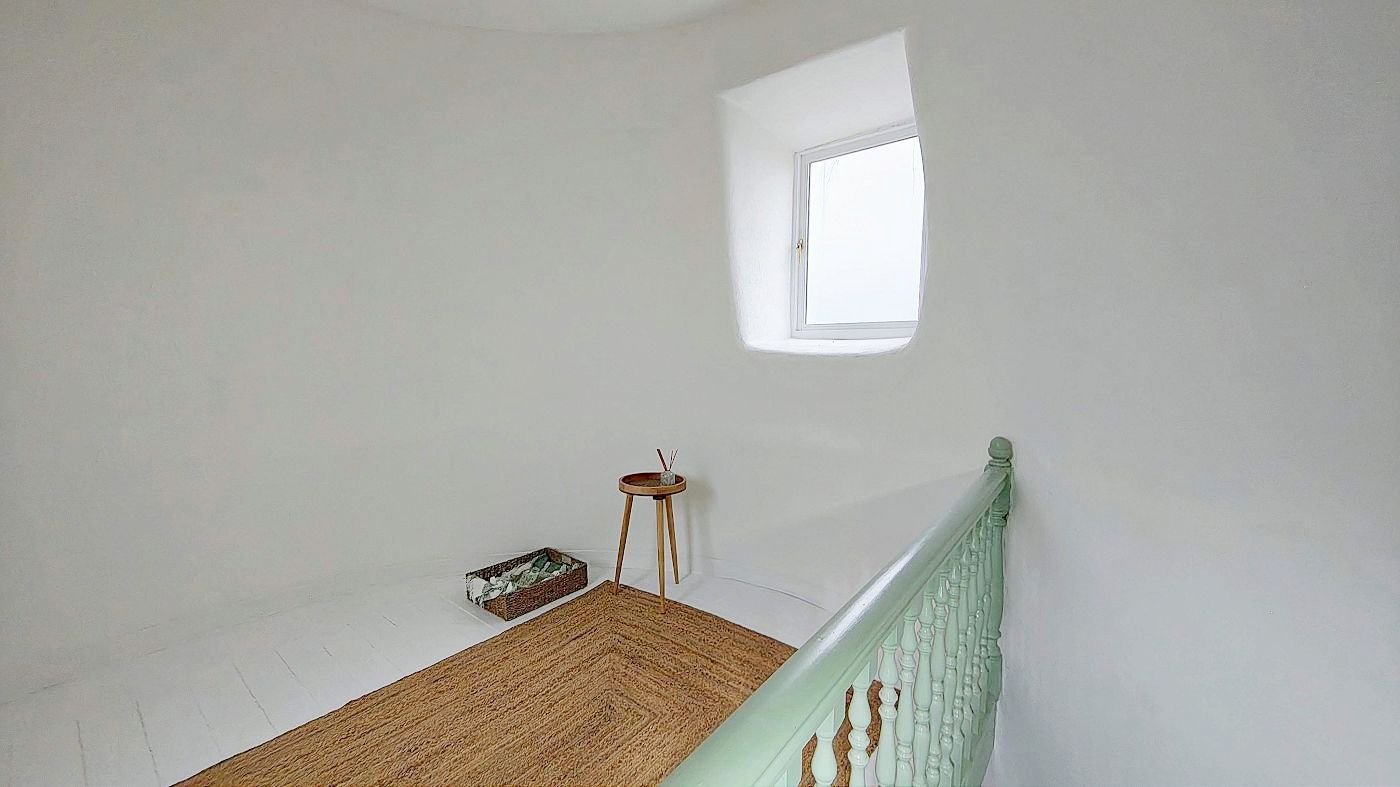
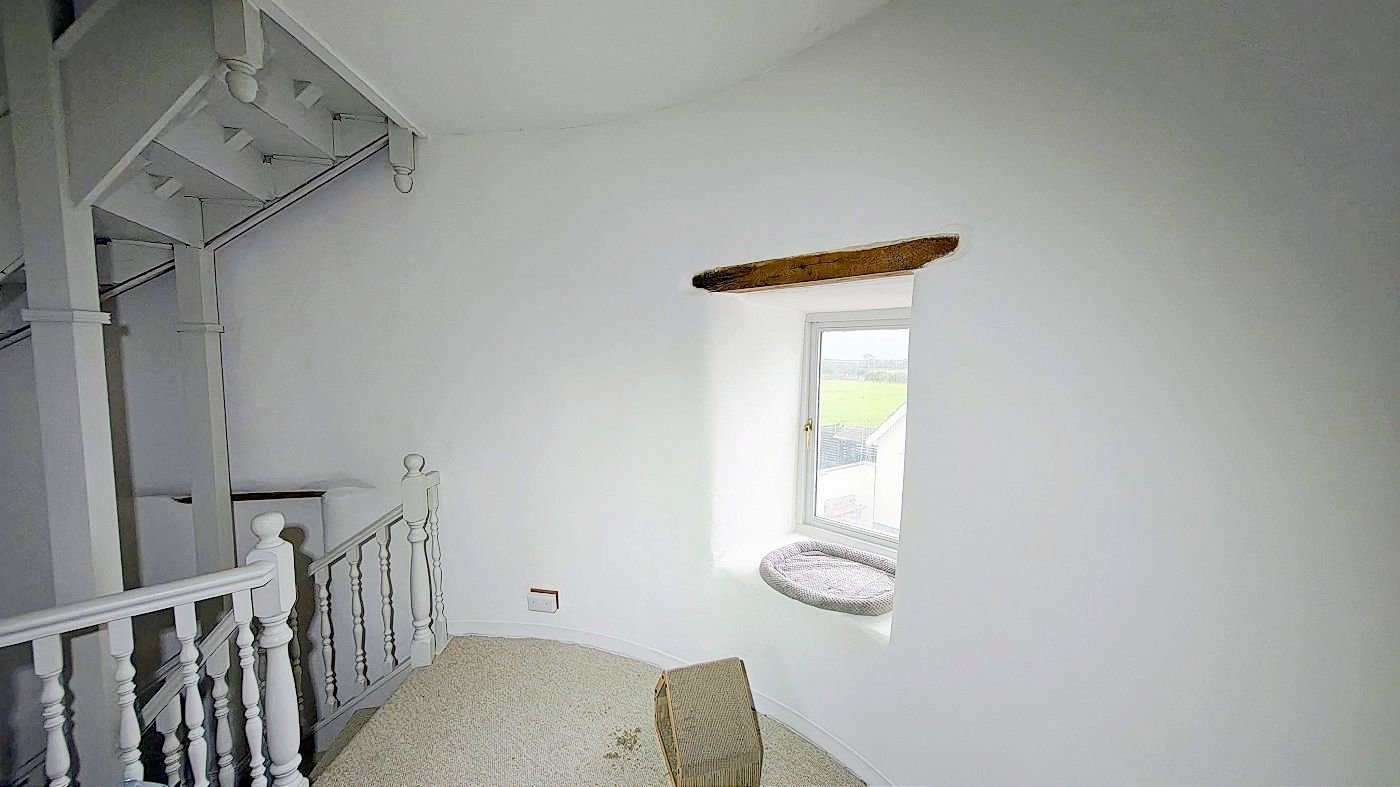
Here is an 18 metre tall 200 year-old listed wind mill, close to the sea. Wind driven rain created major problems, resulting in ongoing water leaks. The building has been sympathetically waterproofed and thermally insulated with lime plasters only, using breathable heritage-friendly materials only.





Here are some other similar products of the same category (e.g. other main coats or finishes). Depending on your application, you could use these as alternative products.
Although all MGN plasters can be used on their own, in many applications they perform best when certain materials are applied together as a plastering system complementing and reinforcing each other.
Here are some other plasters which are recommended to be used with this one.


