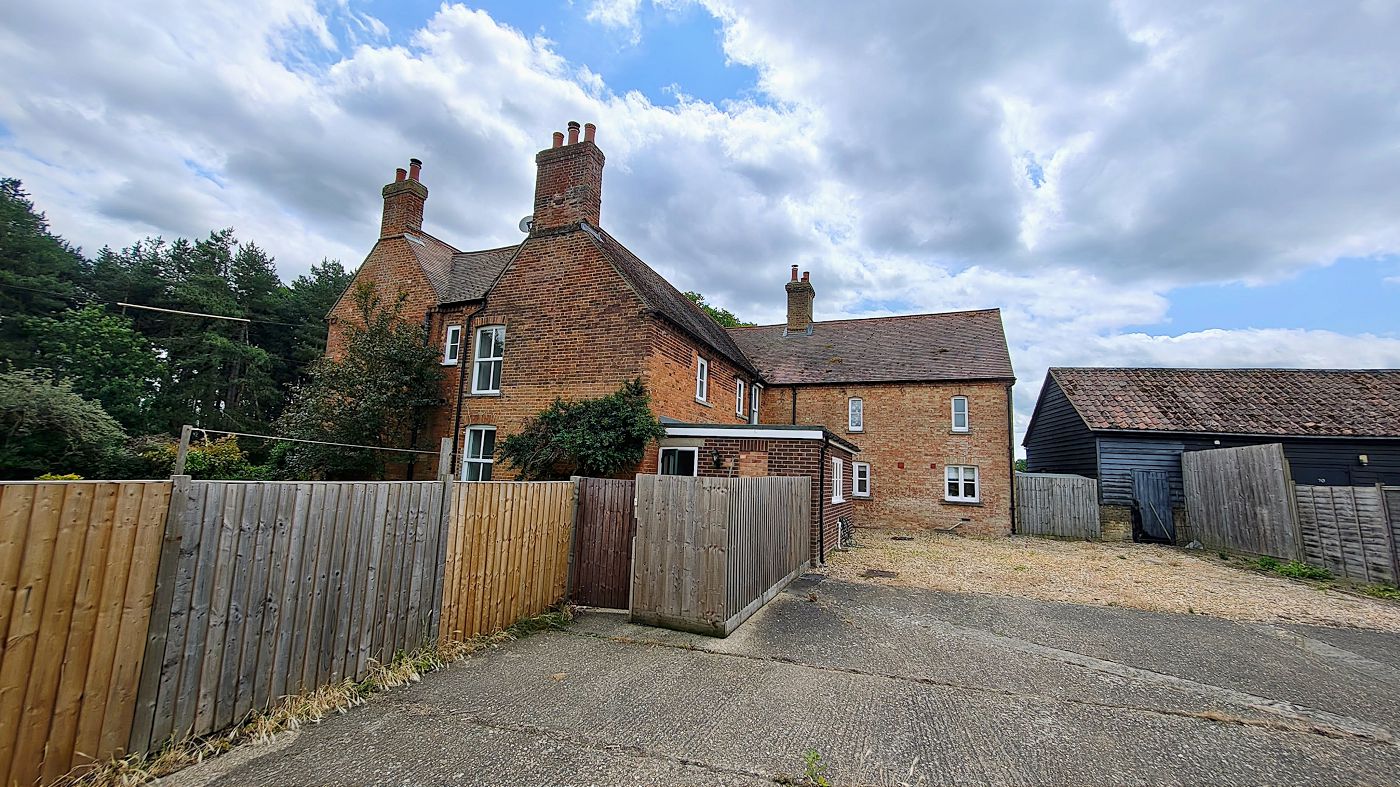
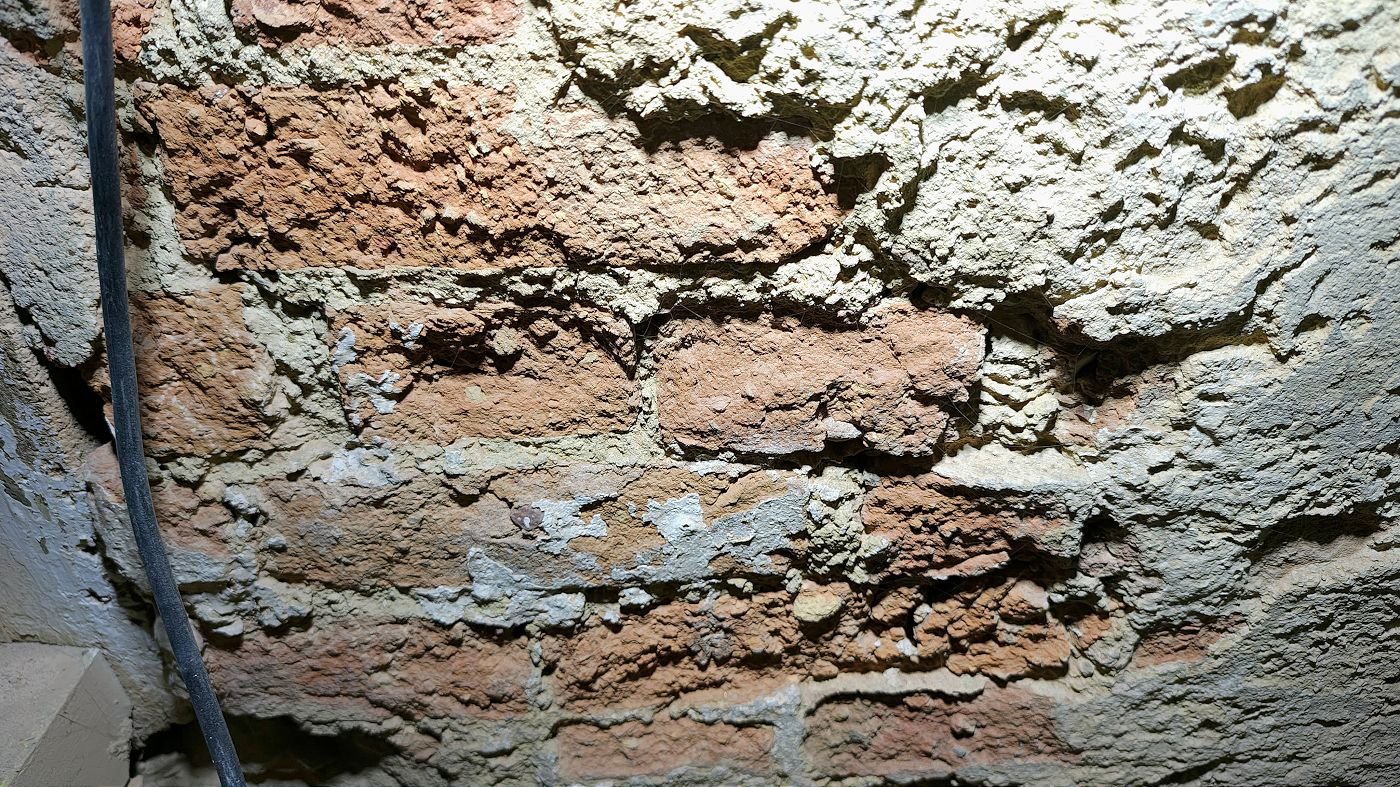
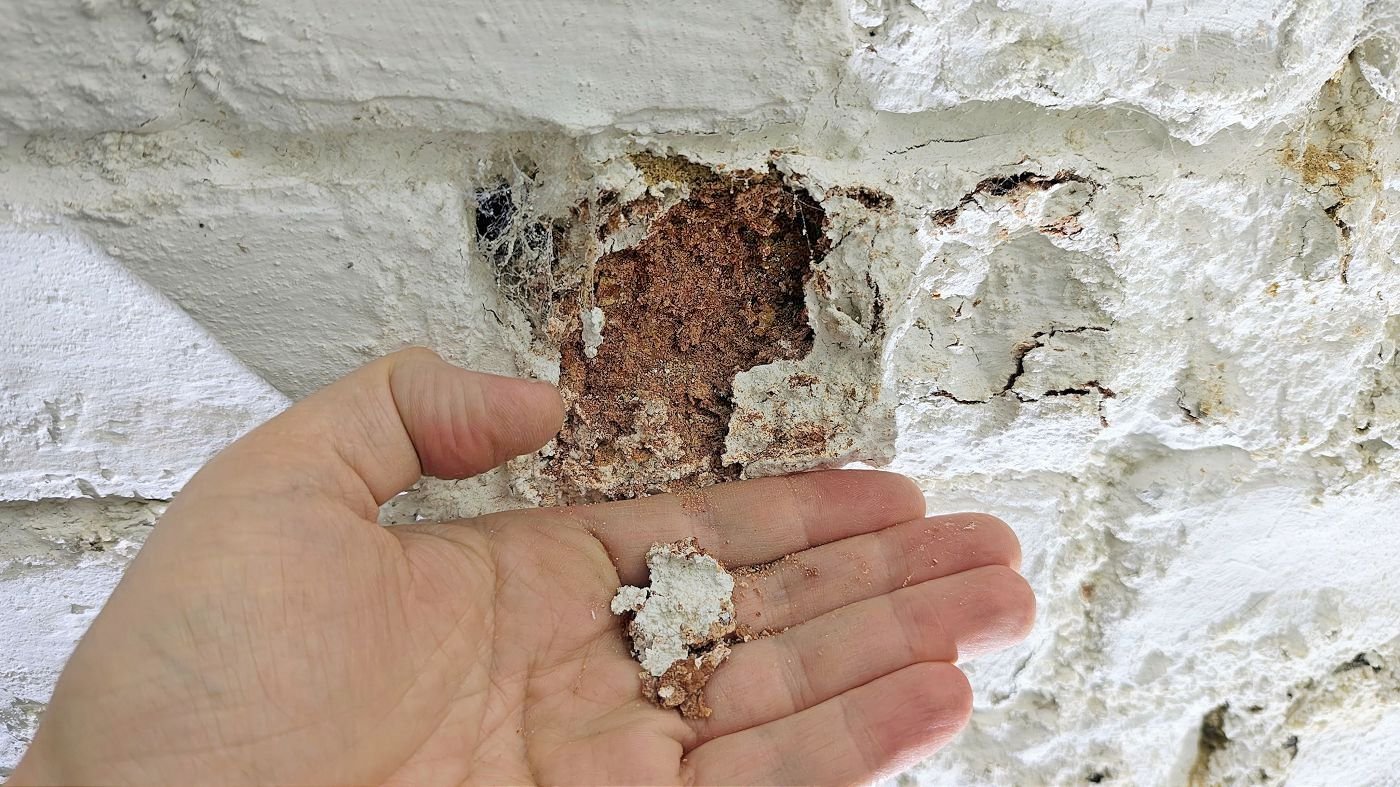
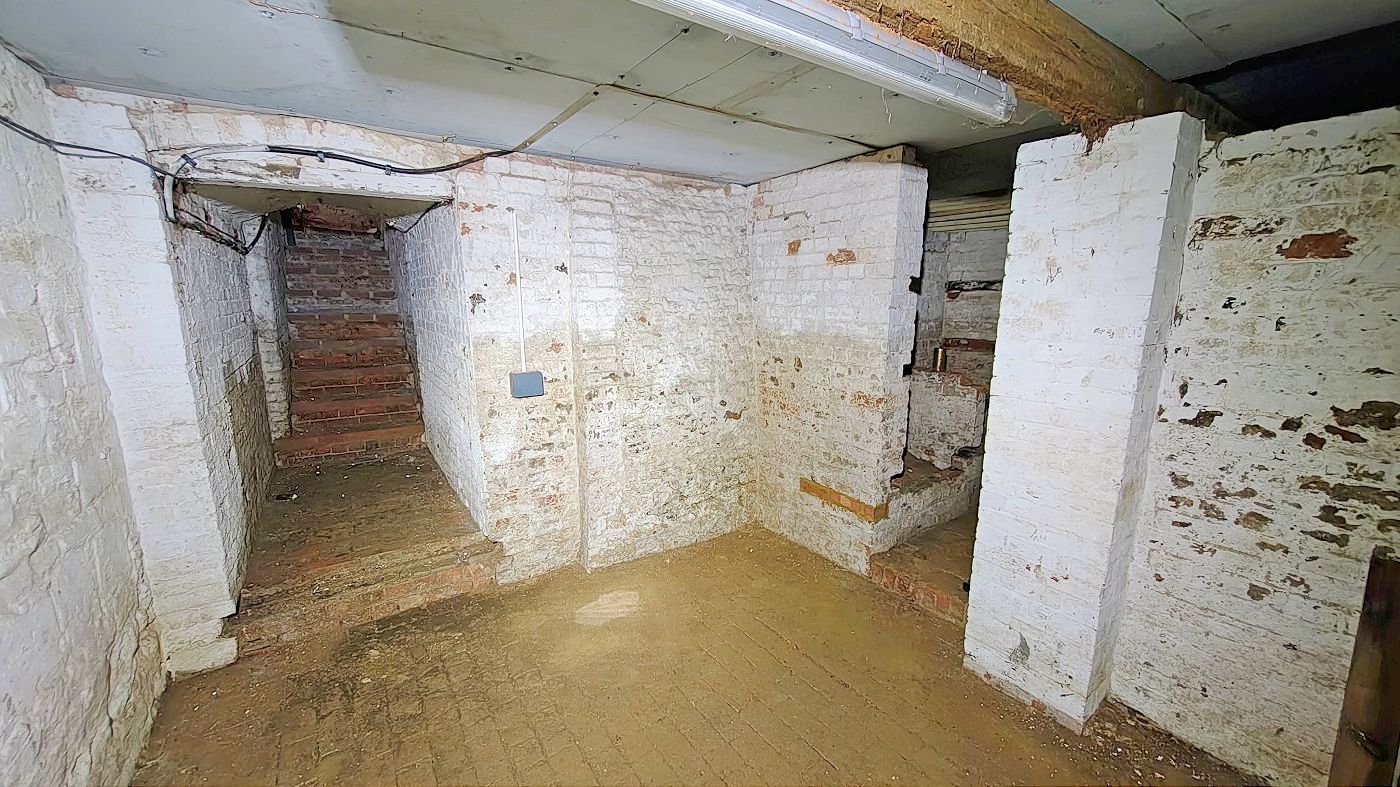
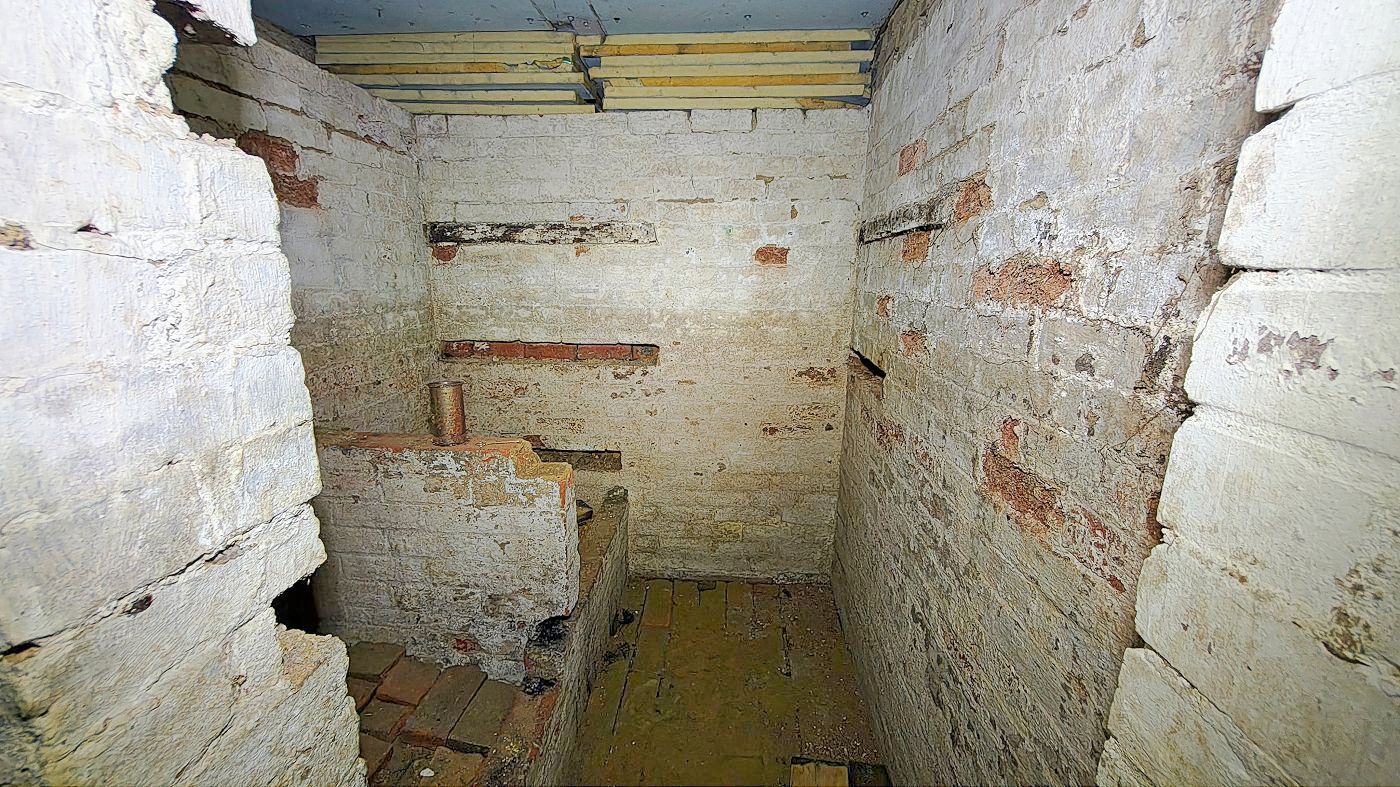
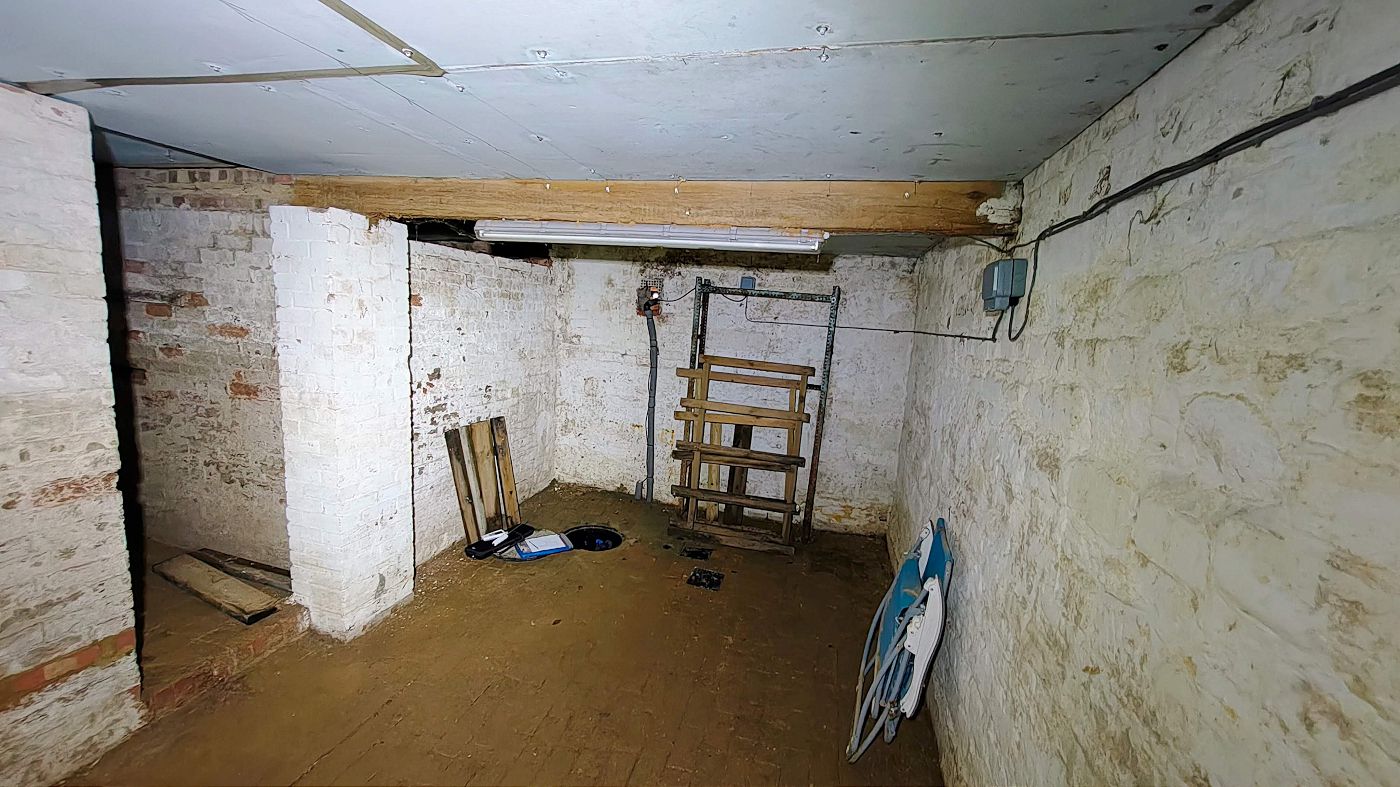
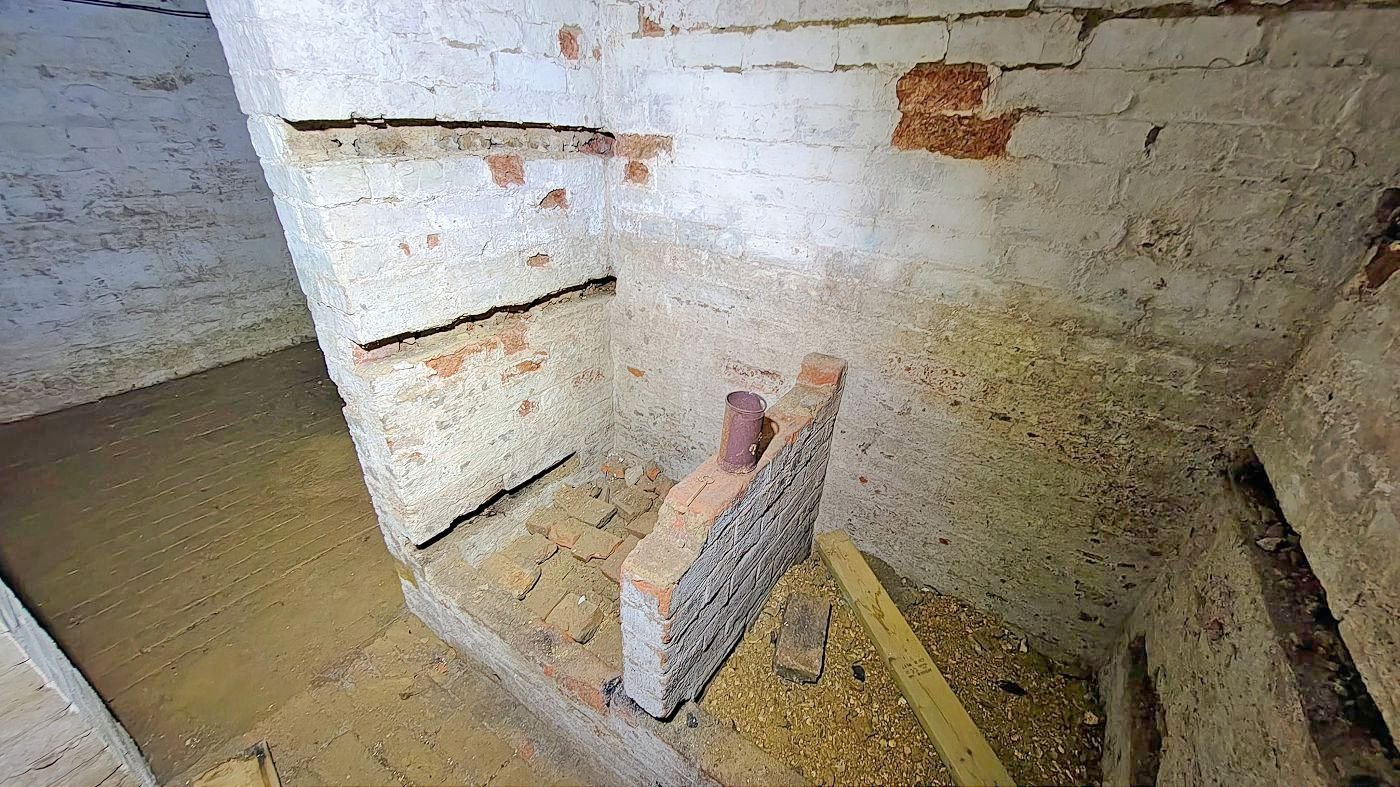
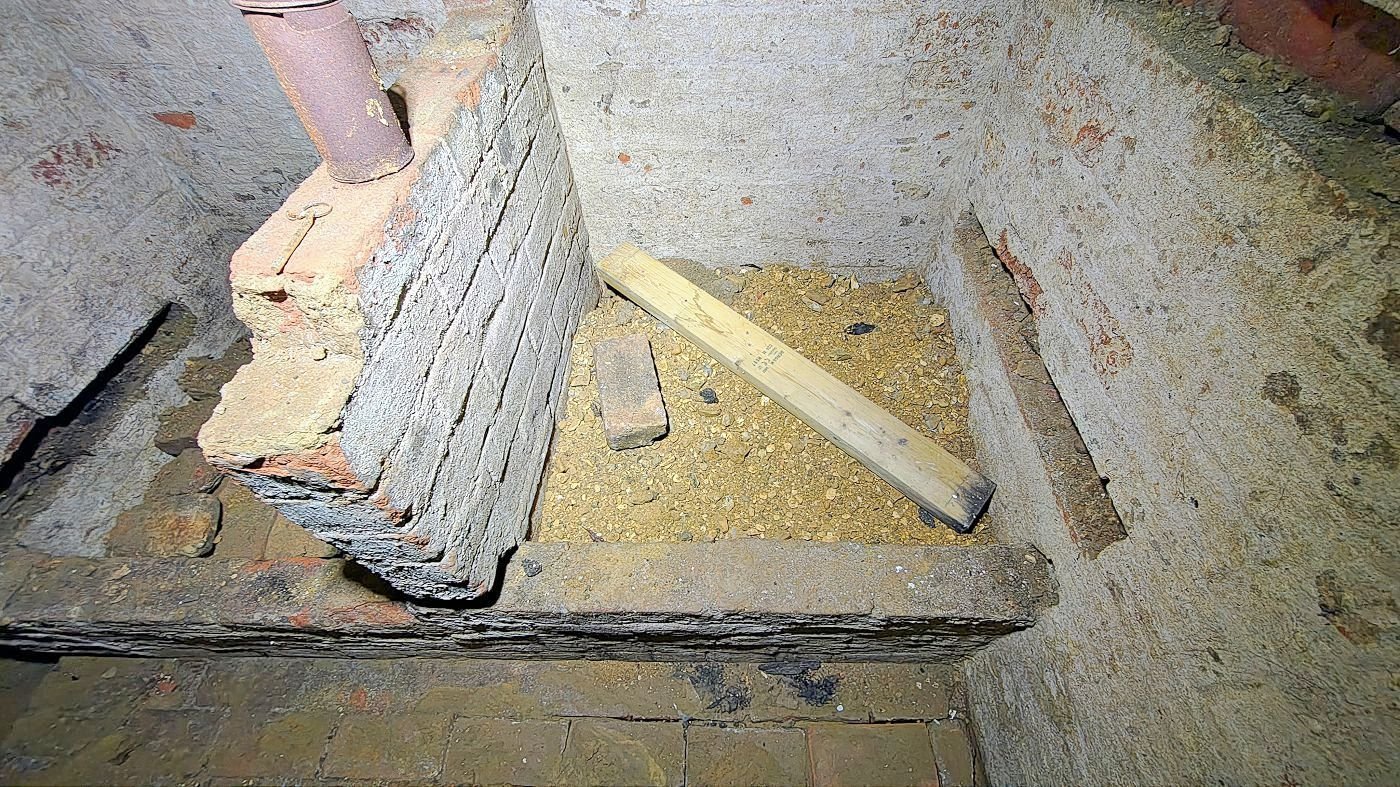
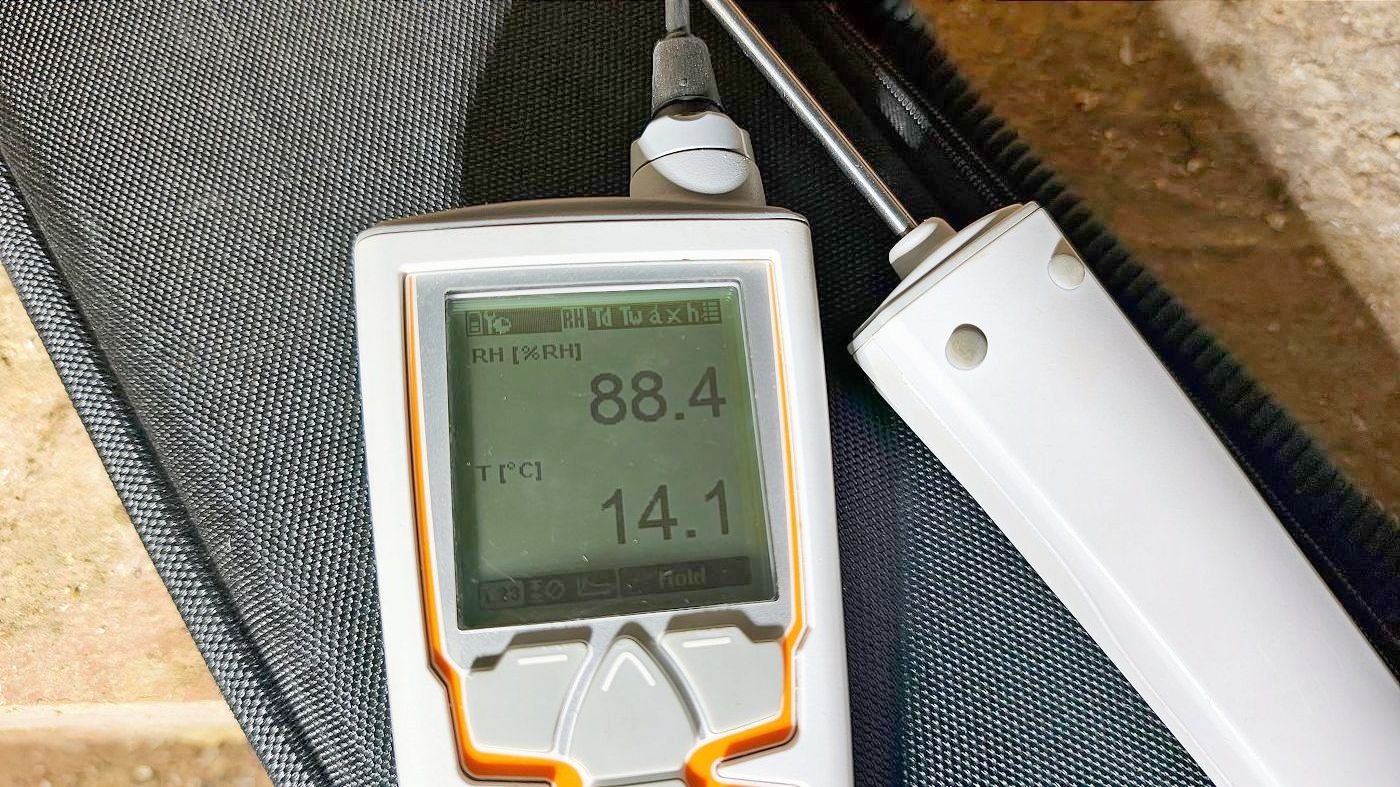
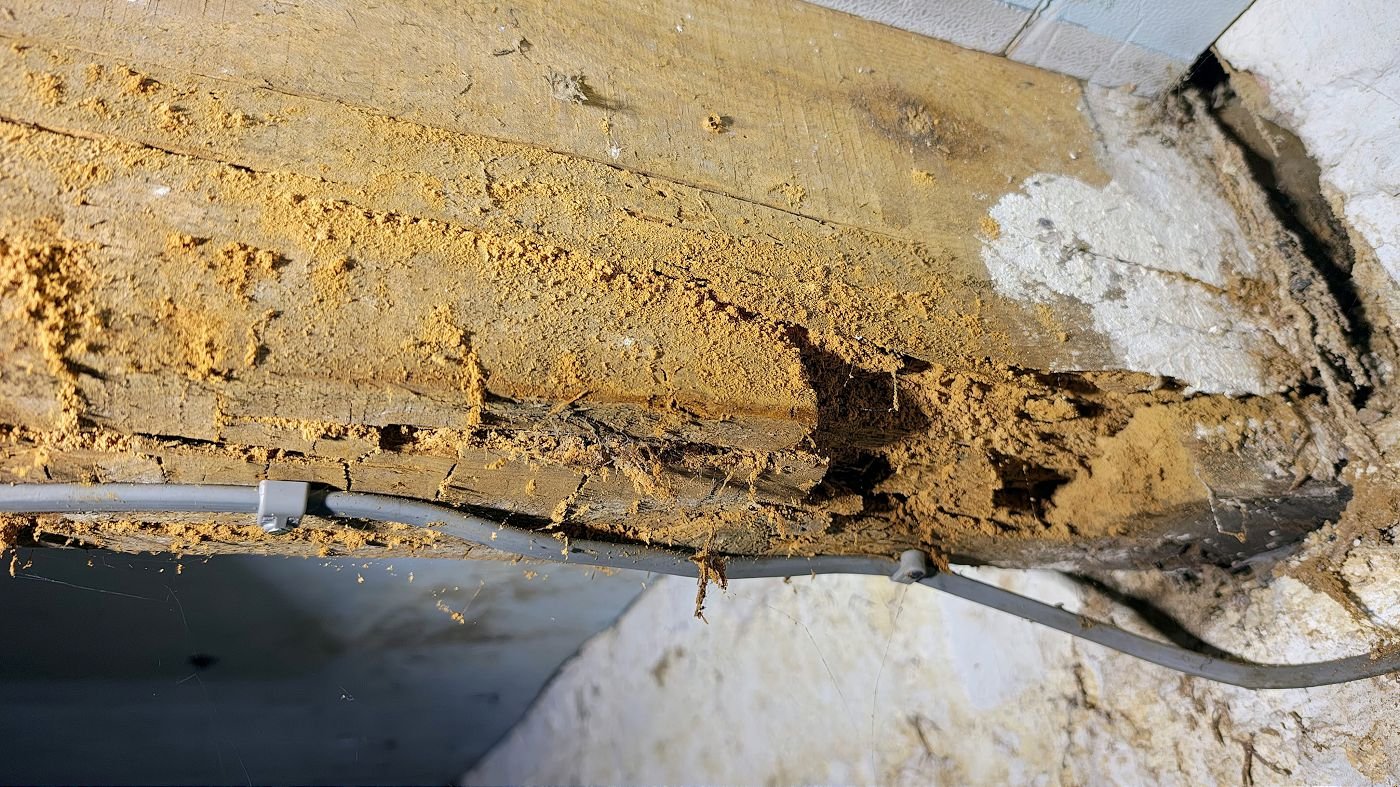
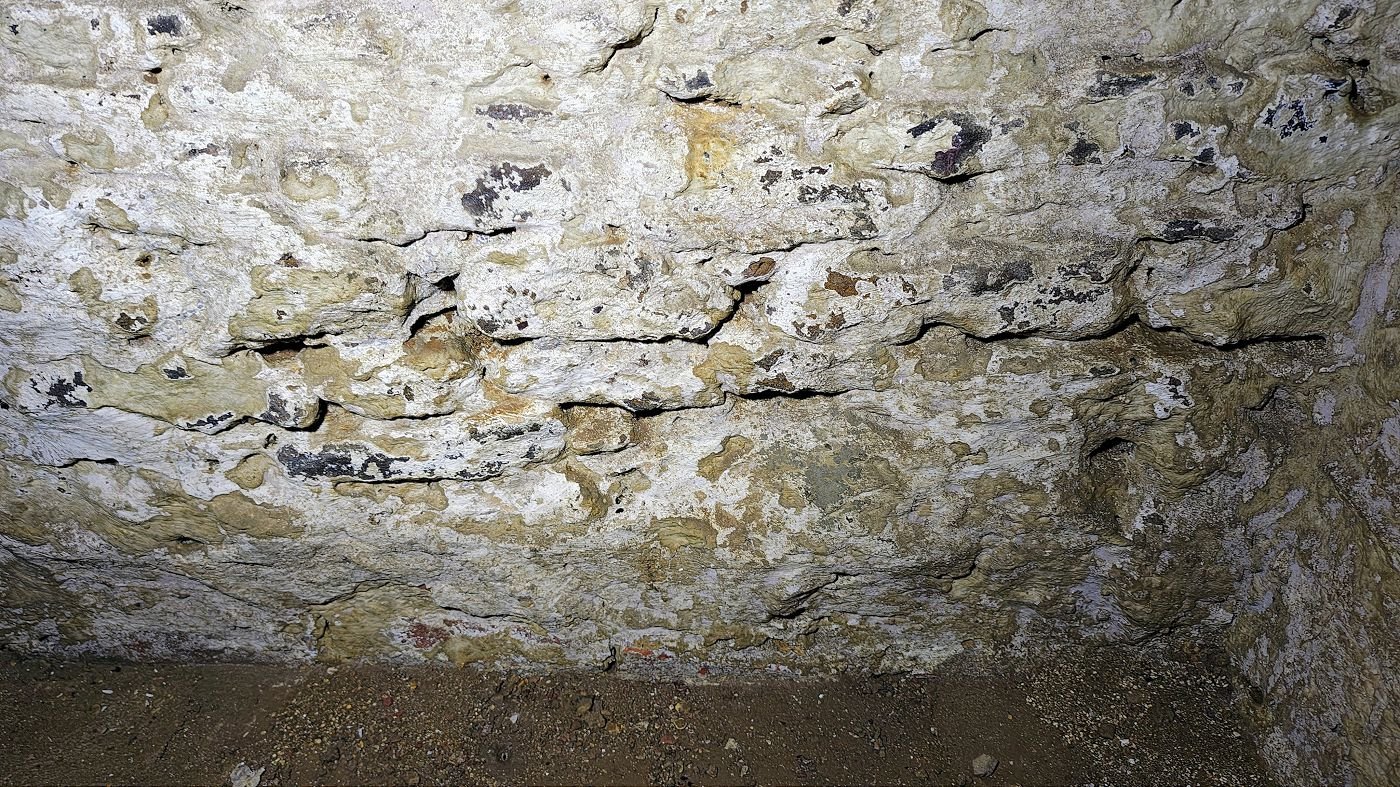
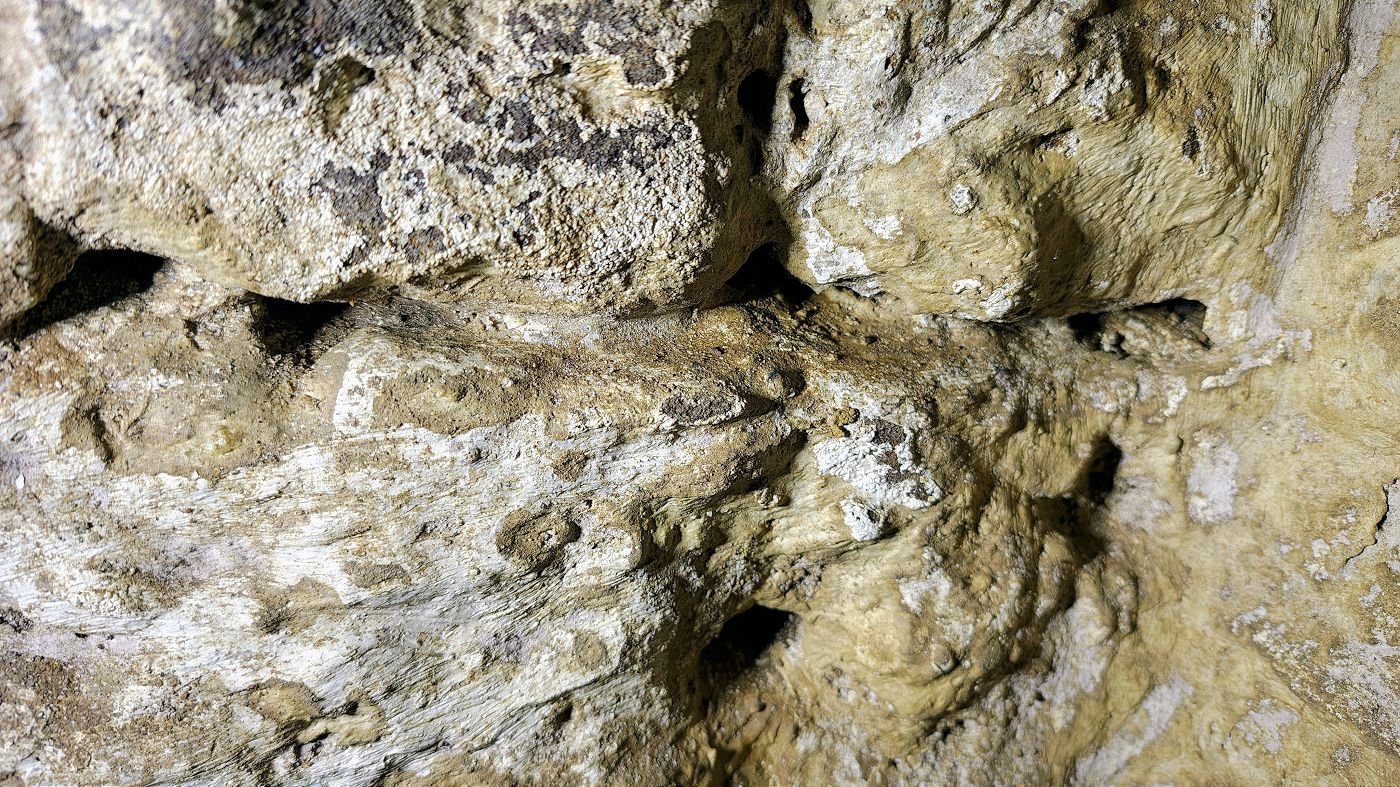
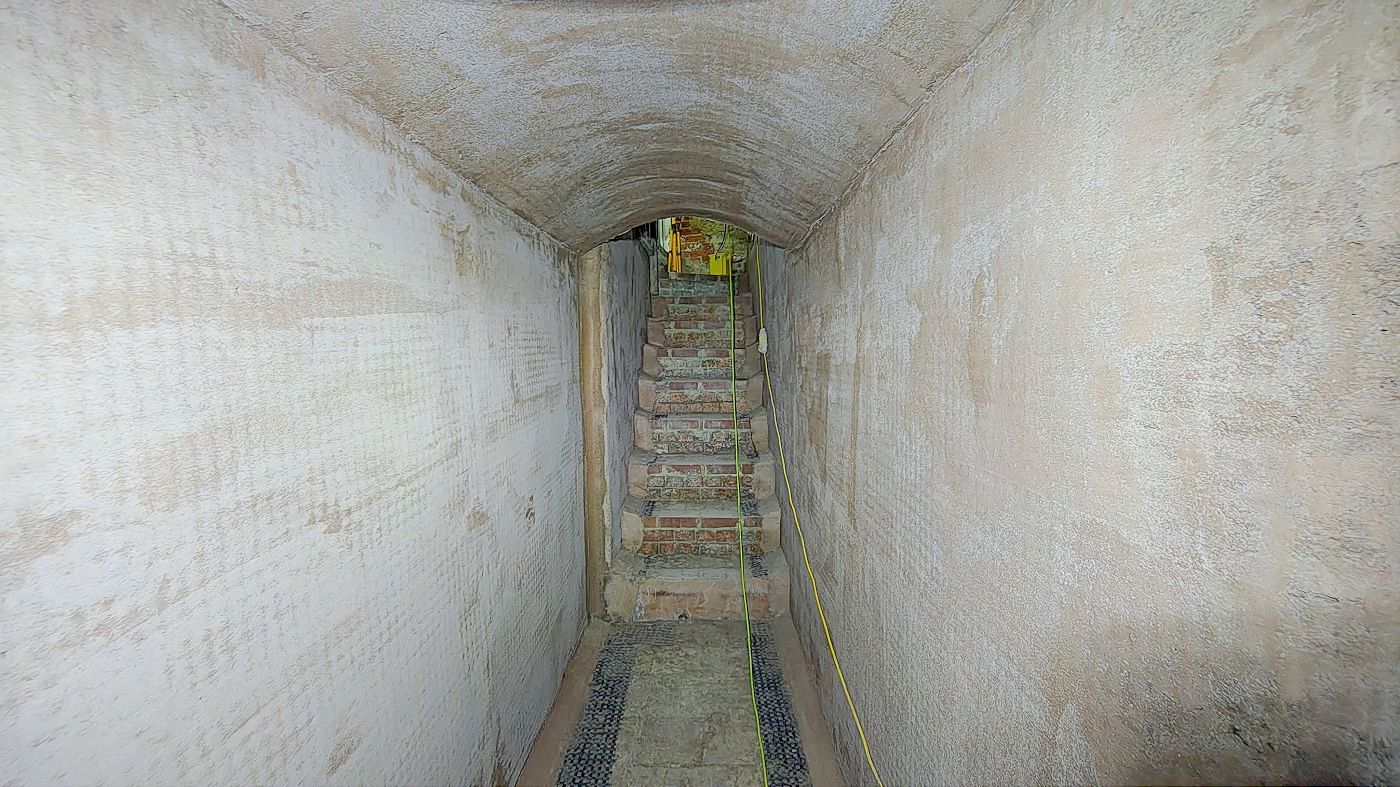
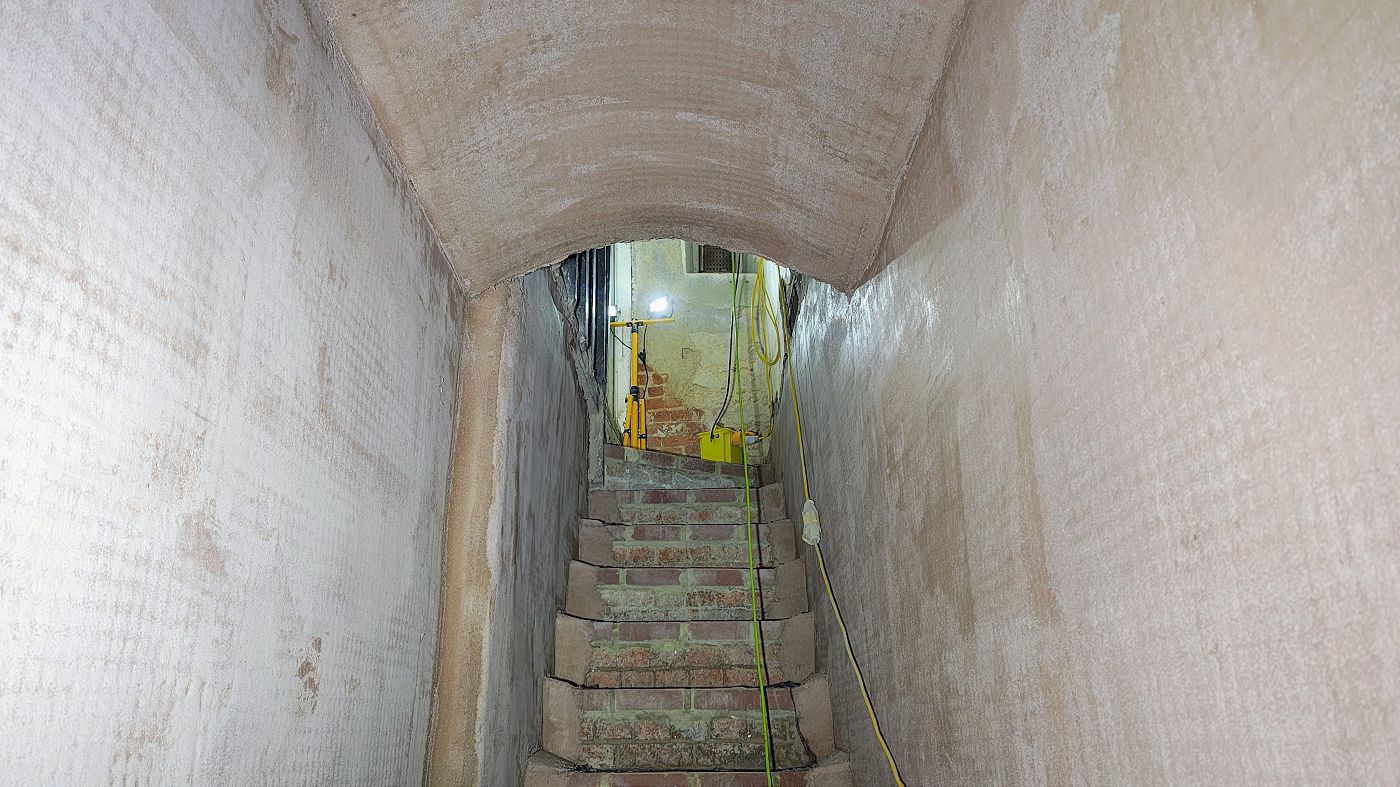
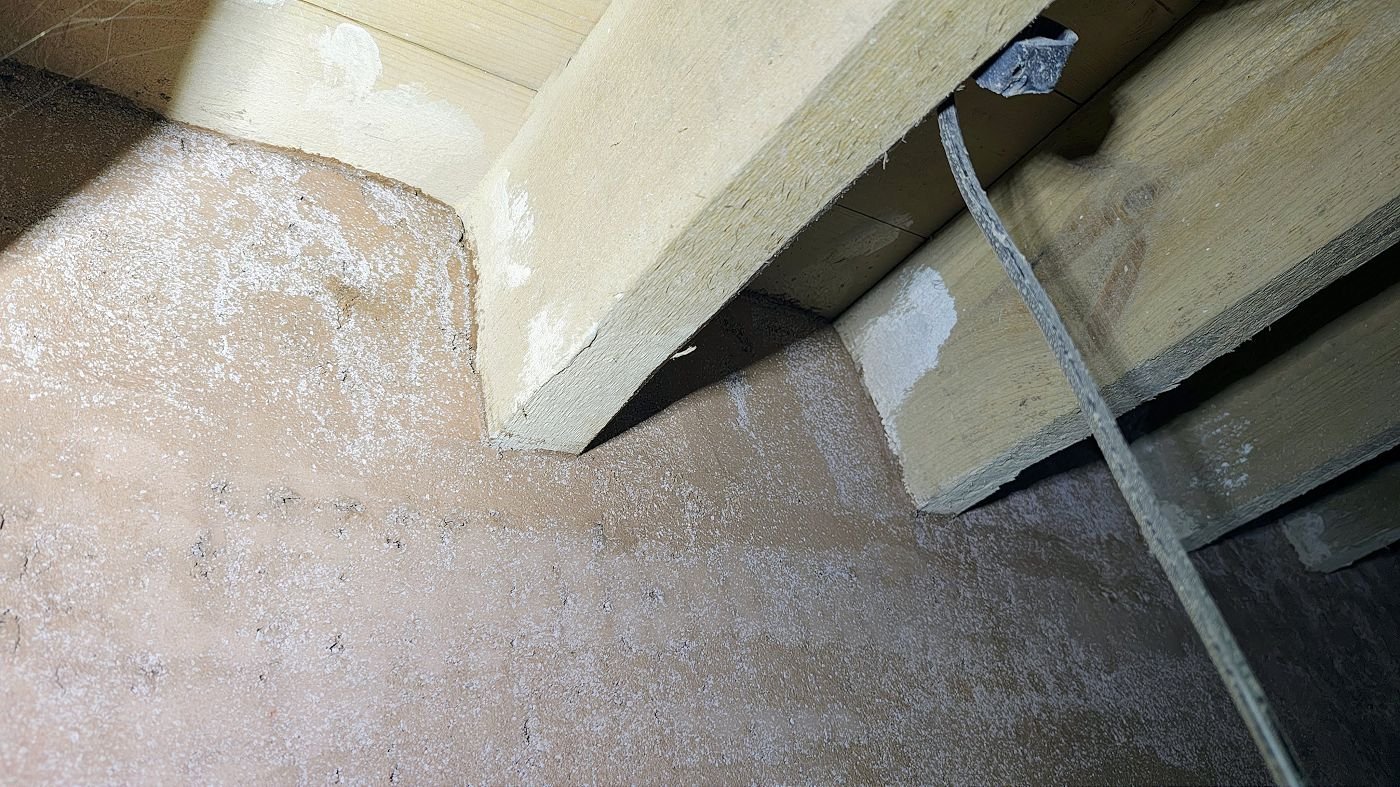

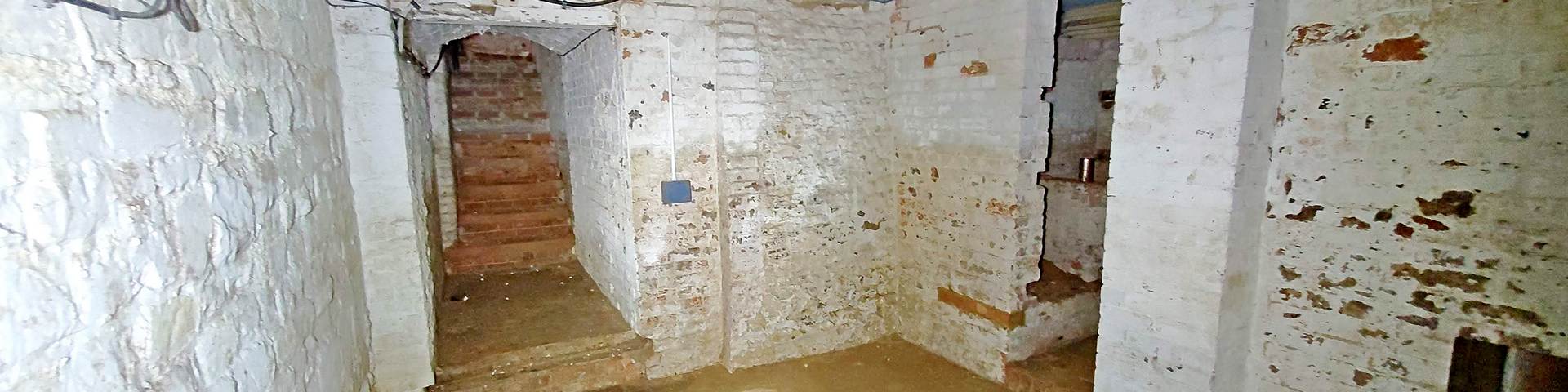
This old Victorian farm building sits in an area with a very high water table, which made seasonal flooding unavoidable for many years. Each winter, groundwater would rise through the surrounding soil and enter the cellar, reaching depths of around 1.2 metres.
The space remained submerged for months at a time, placing constant stress on the historic fabric of the building. The persistent standing water also led to foul, stagnant smell in the building, creating an unpleasant internal environment and significant inconvenience for tenants.
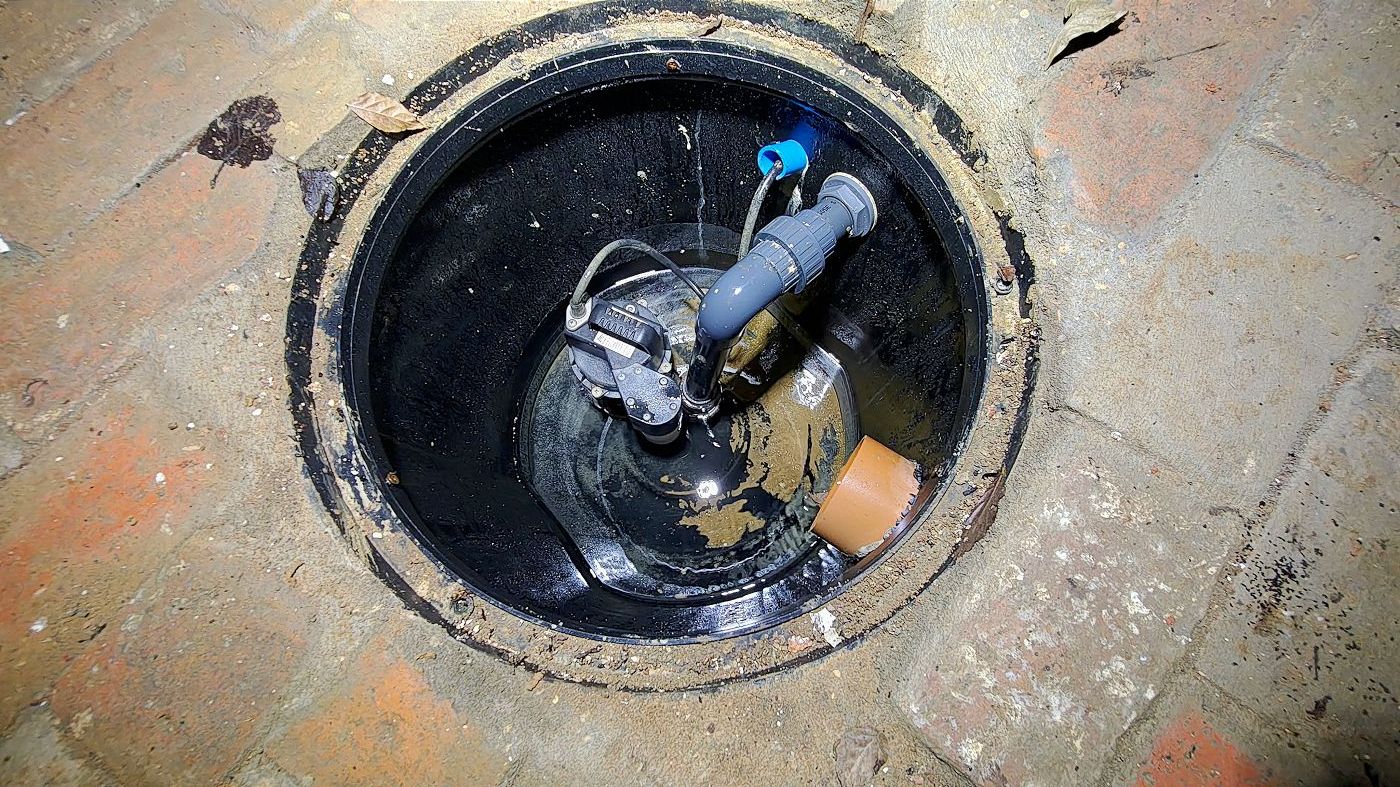
Even the installation of a sump pump proved ineffective, as the sheer volume and persistence of incoming water overwhelmed the system, leaving the cellar unusable throughout the winter period.
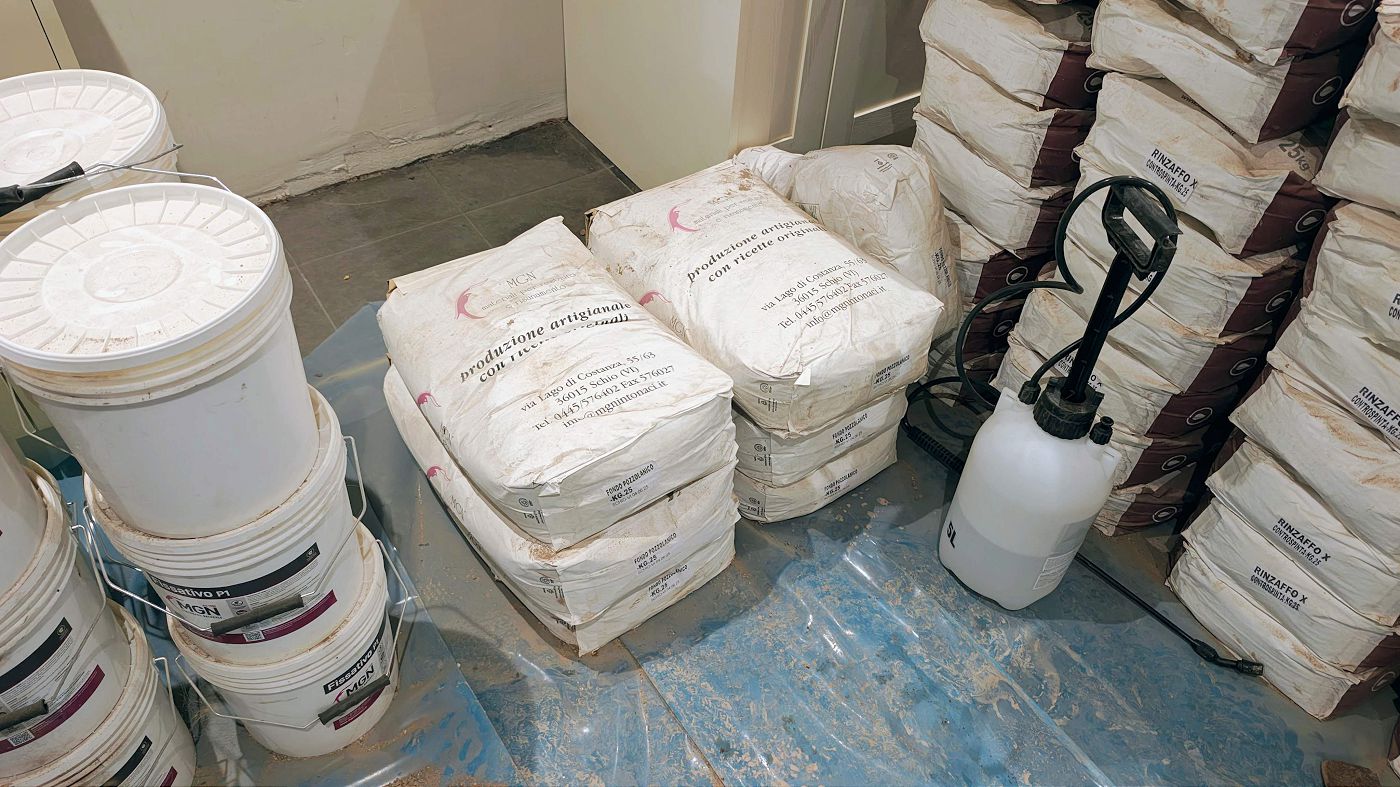
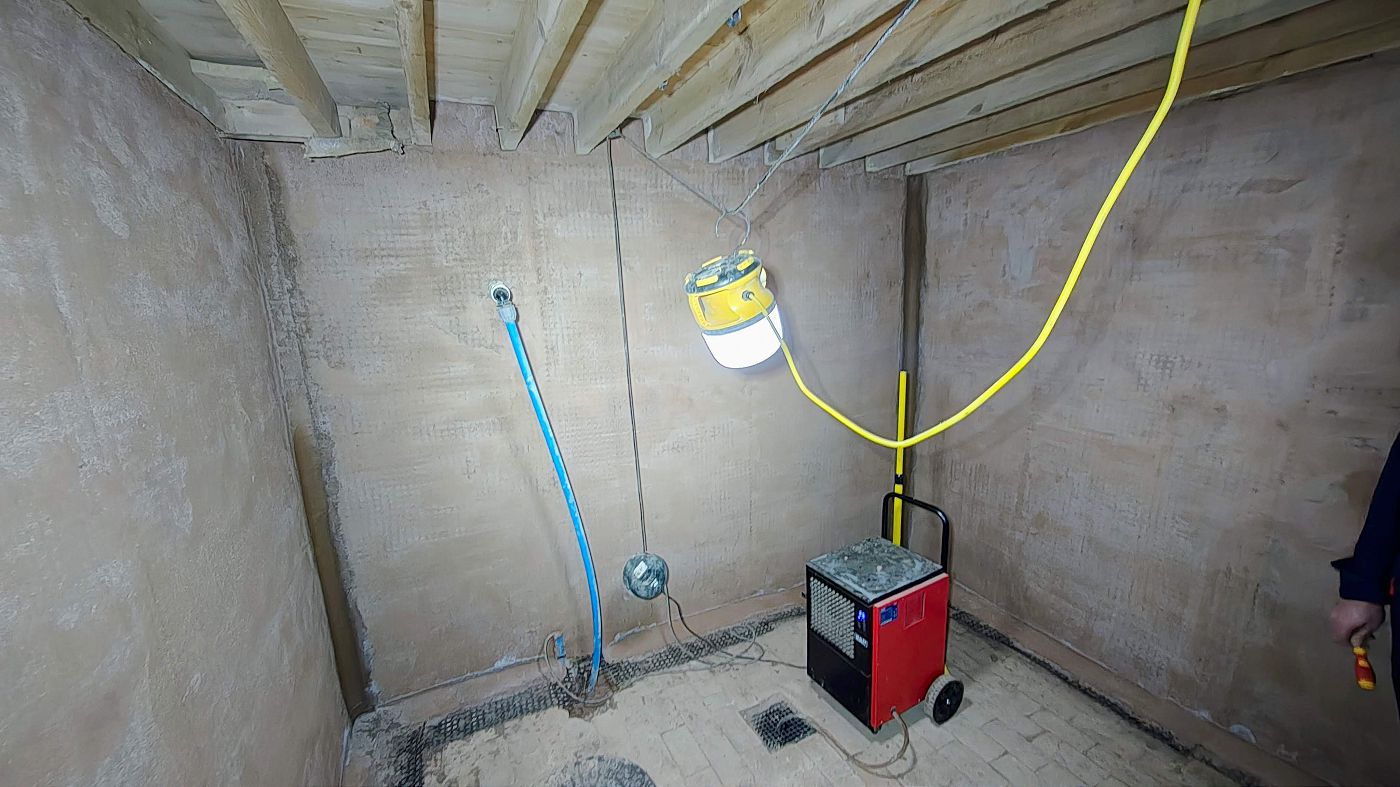
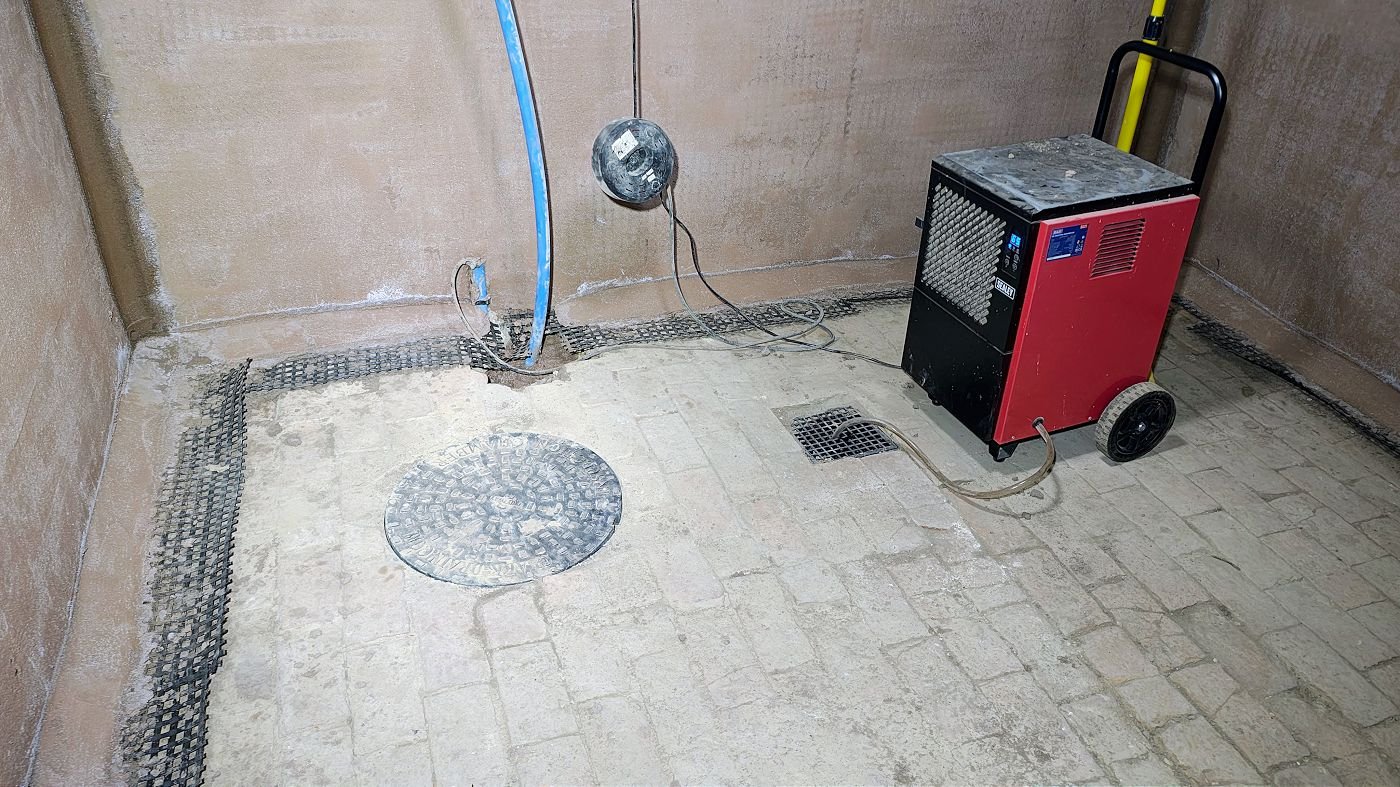
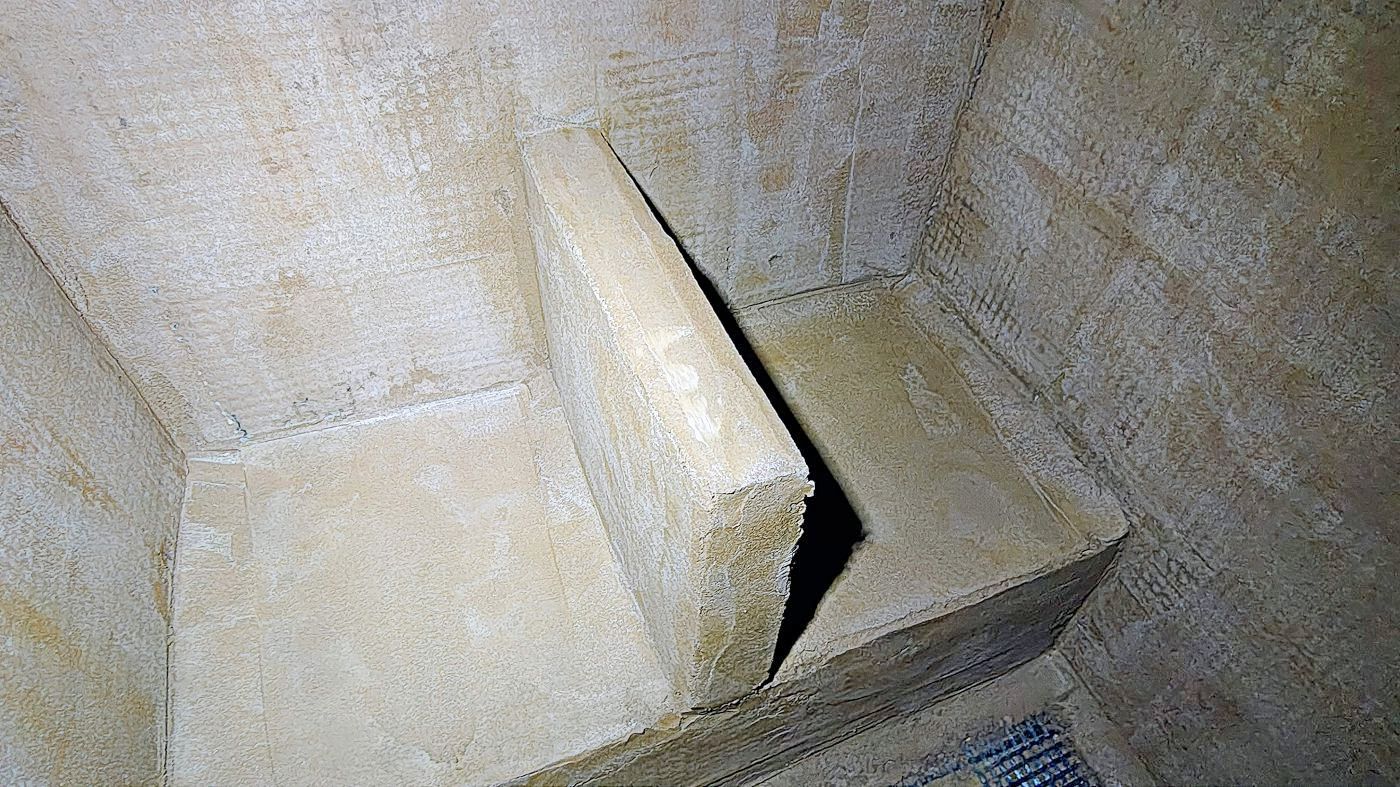
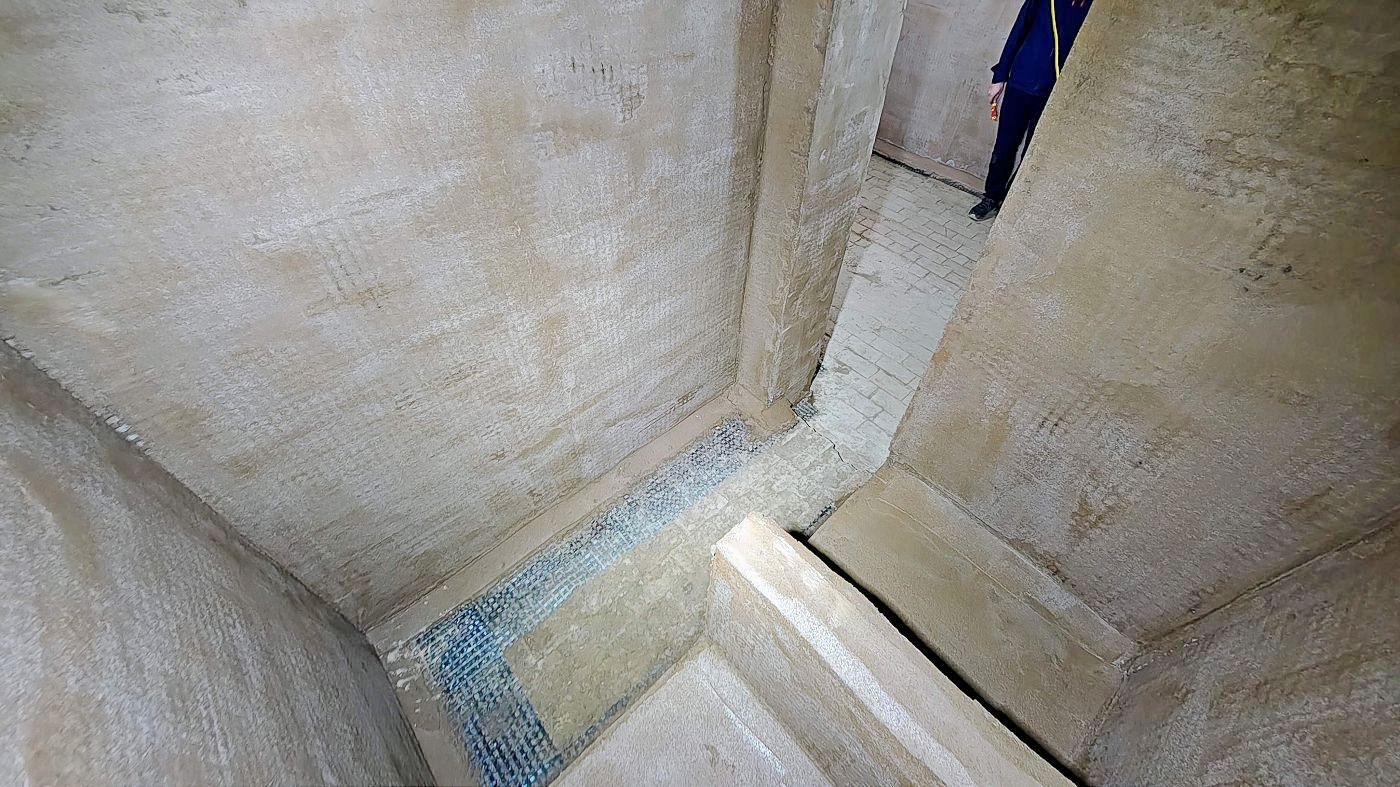
The problem was resolved using Rinzaffo MGN Roman waterproofing lime plaster, a heritage-appropriate solution that completely blocks liquid water while still allowing the wall fabric to breathe. This approach provides effective protection against groundwater ingress without trapping moisture within the masonry, a common cause of long-term damage in historic buildings. The result is a cellar that remains dry year-round, safeguarding the structure and eliminating the conditions that previously caused flooding. The foul smell in the building has also disappeared.
To further enhance the internal environment, a second coat of cocciopesto was applied over the waterproofing layer to help regulate internal humidity. Cocciopesto, a traditional lime-based second coat, incorporating finely crushed fired clay, has excellent moisture-buffering properties: it absorbs excess moisture from the air when humidity levels are high and gradually releases it as conditions stabilise. In a cellar setting, where residual damp and humidity fluctuations are common even after waterproofing, this makes cocciopesto an ideal plaster.
Its use helps maintain a more balanced internal climate, reduces the risk of condensation and mould, and contributes to a healthier, more comfortable space while remaining fully compatible with the building’s historic fabric.
These solutions were implemented during the project:
Here are the products used during this project to resolve the problem:
Here are some related pages with more technical information related ot this project.
Have a similar project? If you have any questions about anything - please get in touch using the contact form below. Give us as much detail as you can about your project so we can get back to you with more relevant answers.


